Winter is Coming!
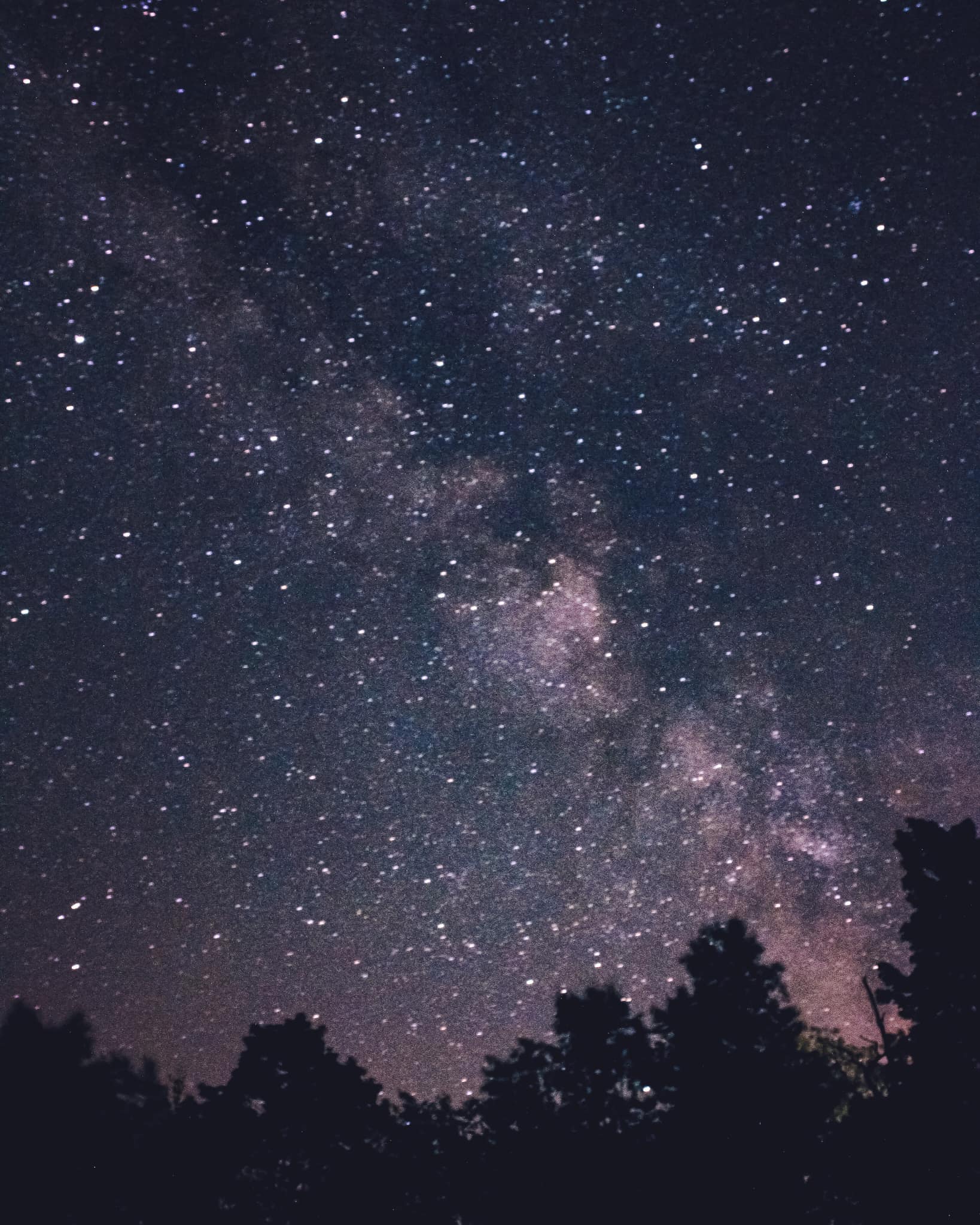
At our October meeting, we discussed the possibility of having a group observing session at a convenient place, possibly at Windsor Lake in North Adams. Here’s where the “Let’s Go Observing” chat on our Facebook group is handy: join the group, and you can keep up to date on developments.
This month, we have several meteor showers back-to-back: the Orionids, which peaked in late October still have stragglers into the beginning of November, followed by the Taurids peaking on the 12th, then the Leonids on the 17th. All three are somewhat broad in time, so you’ll see meteors coming from all three in the eastern sky throughout the month.
All the outer planets are visible, with Jupiter clearly the brightest object in the sky.
Binocular Delights
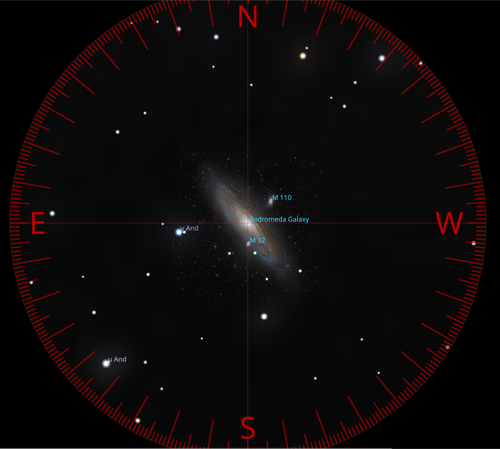
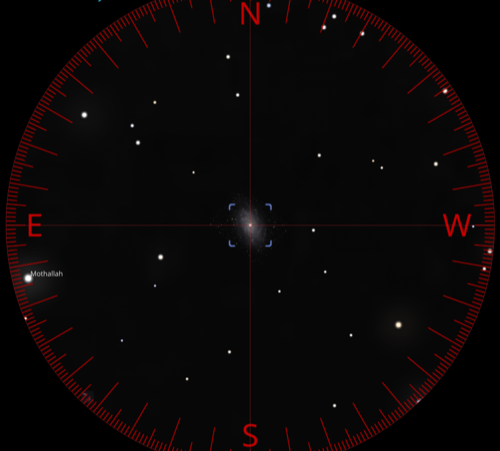
If you have a pair of binoculars (and a tripod!) there are many objects in the Fall sky that are particularly nice in binoculars:
Andromeda
Triangulum
The Pleiades
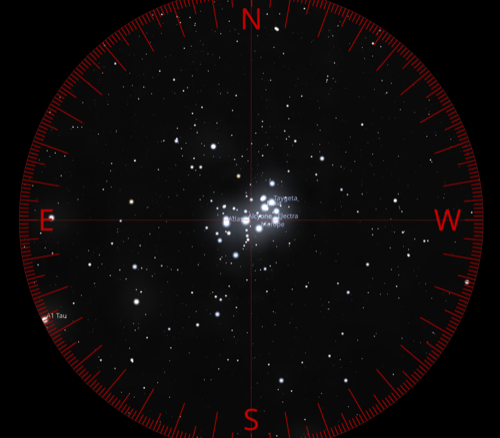
But these are only a small sample: if you scan the skies from Deneb (now setting in the West) through the Milky Way into Cassiopeia, over to Perseus and the Pleiades, you’ll encounter several small star clusters.
This Month’s Image
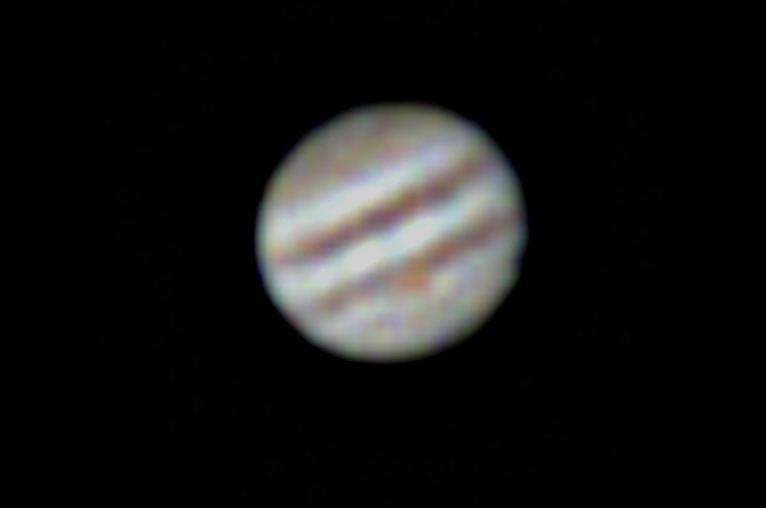
The Unistellar eQuinox imaging telescopes are not designed for planets since the telescope’s view of the sky is fixed (about 47’x34’) and planets are somewhat small in angular size.
At the end of an observing session, I figured I’d make the attempt, and I was glad I did! Fortuitously, I happened to take the image right when the Great Red Spot was front and center! While the image itself isn’t close to the quality you can get from more-customized camera systems, I’m still very pleased with this. - Bob D.