Happy New Year!
2024 promises to be exciting! We have a nearly-total eclipse in April, and hopefully many clear nights to explore the skies.
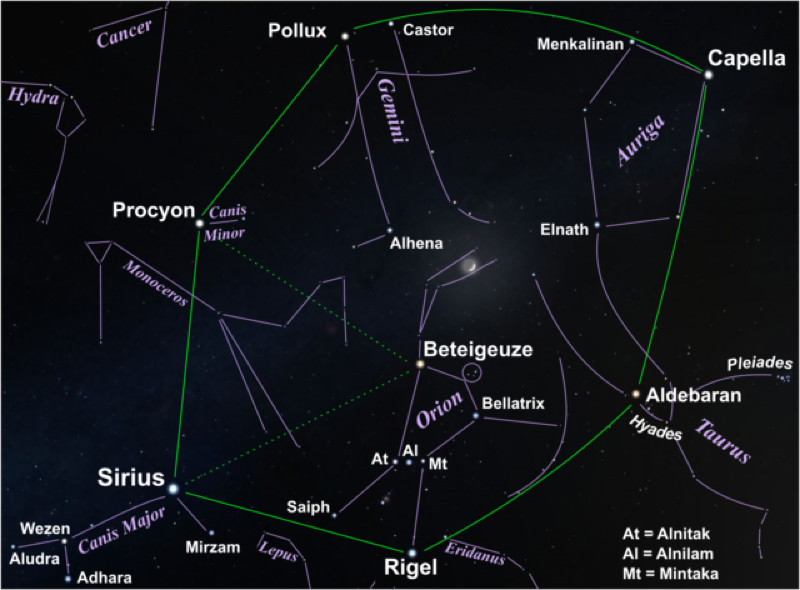
Braving the long winter nights, Orion dominates the sky. A ring of bright stars —- the Winter Hexagon —- with red Betelgeuse near the center, encircles a region full of star clusters and nebulae. Often neglected constellation Monoceros (between Sirius and Procyon, and our “featured constellation” for this month - check our Facebook page) contains the Rosette Nebula, bright enough to see in binoculars and small telescopes (under dark skies) with the Harp cluster at its center.
Almost Total Solar Eclipse - April 8
or a couple of hours in the afternoon, the Moon will cover up to 96% of the Sun’s disk in North Adams. This will be an opportunity for the NBAS to do some public outreach; stay tuned (and come to our meetings) for developments!
Nebulae
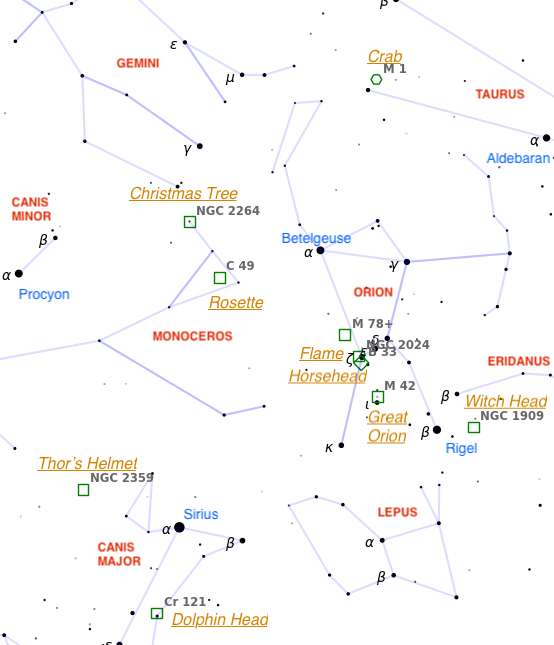
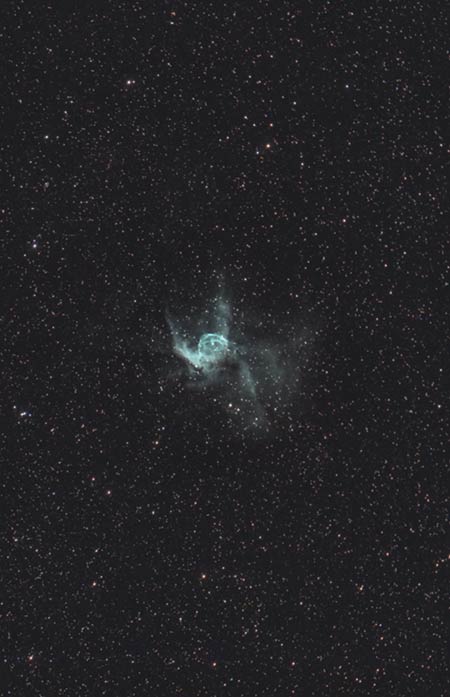
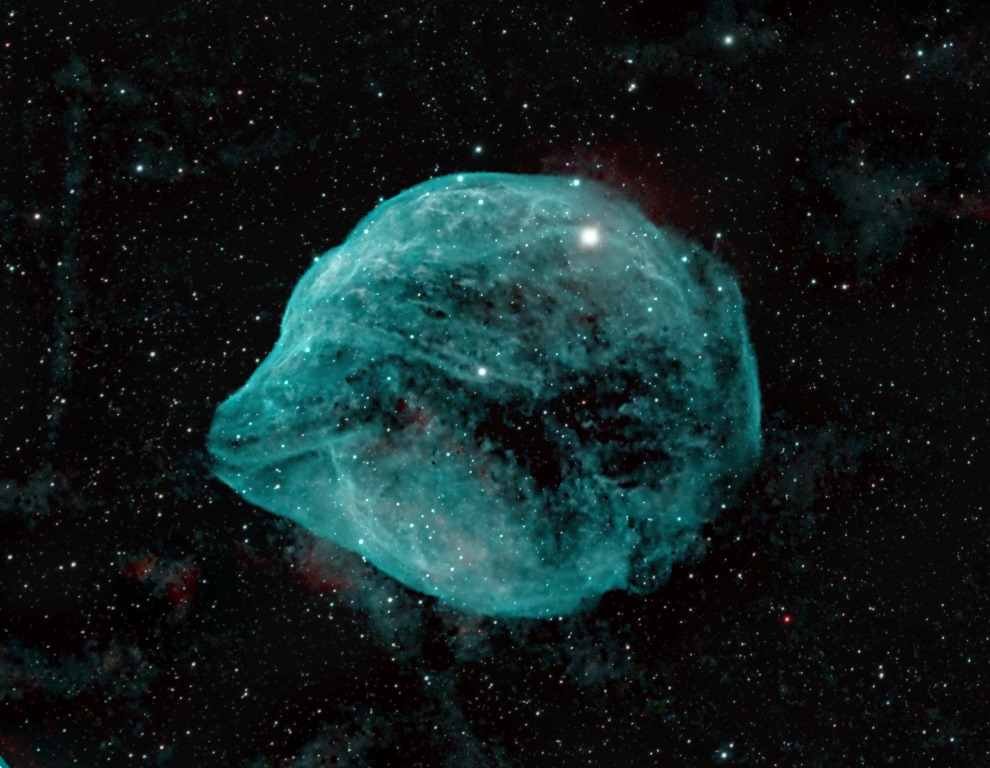
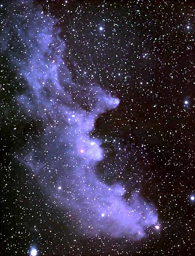
Some winter nebulae: while many are only really visible with long- exposure astrophotography, their shapes are truly fascinating.
Here’s a finding chart for all four of these and other interesting objects.
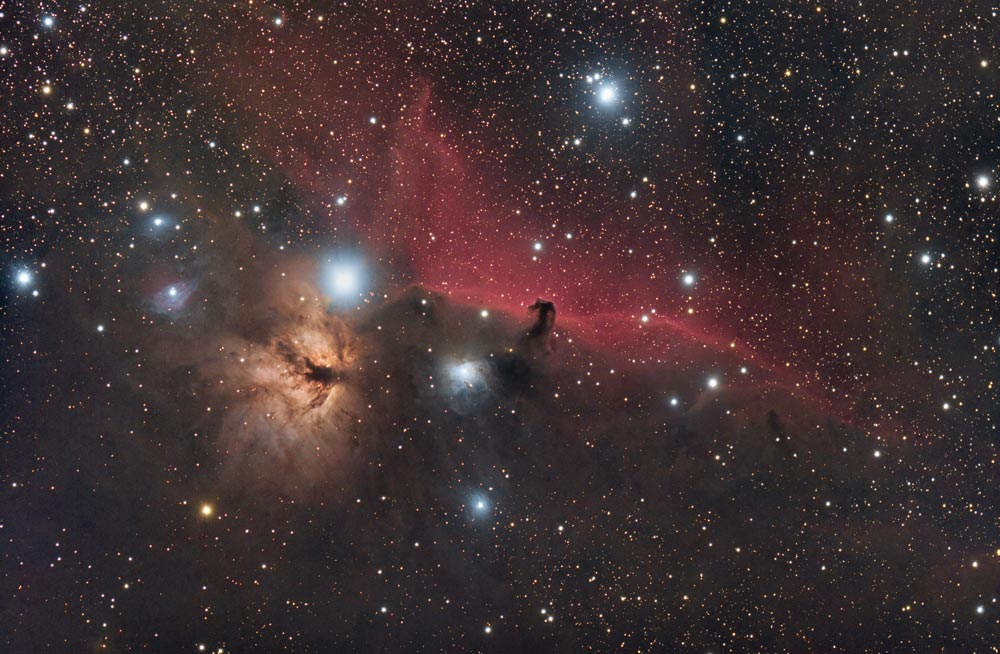
Flame + Horsehead
Thor’s Helmet
Dolphin Head
Witch’s Head
This Month’s Image
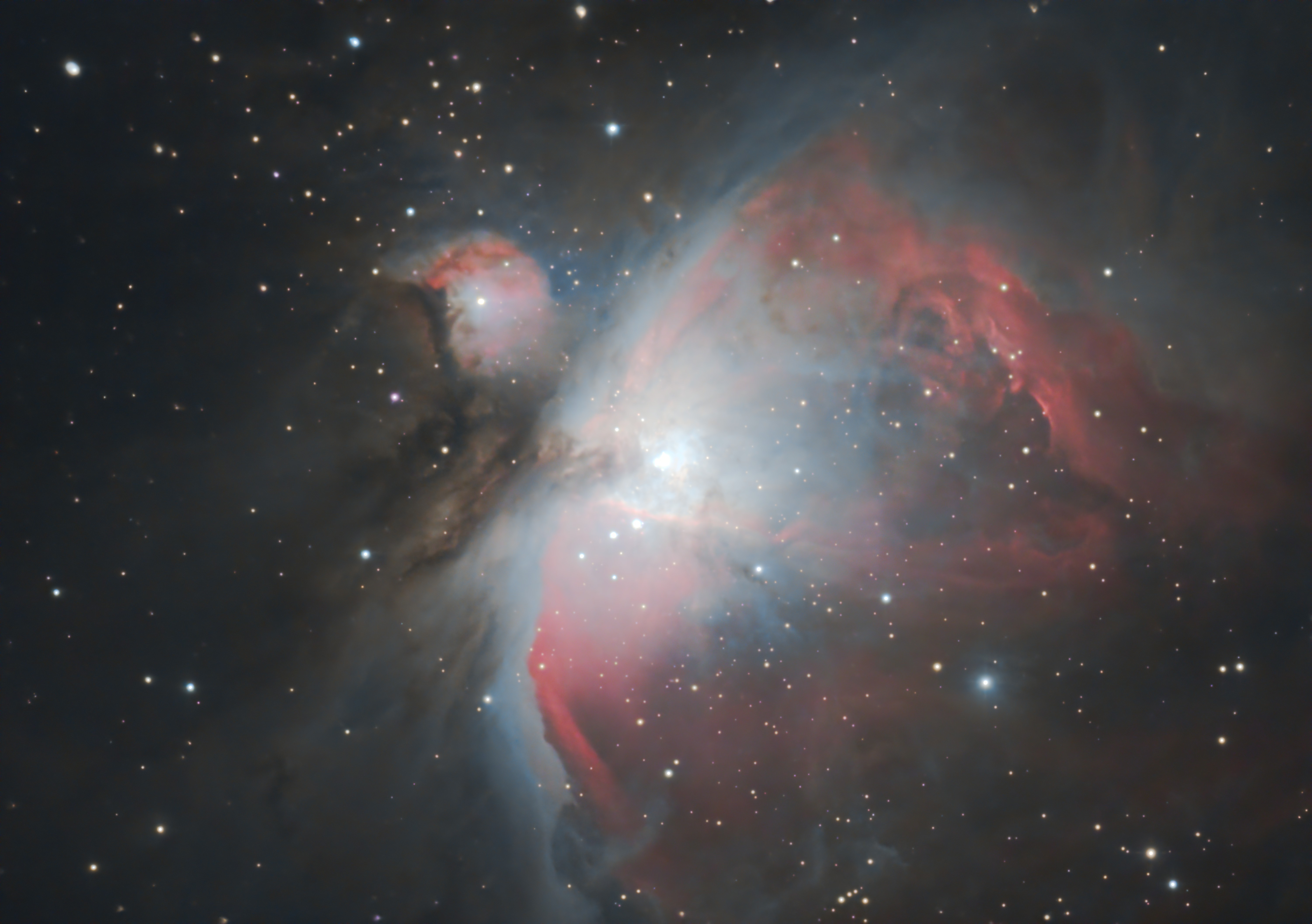
The Orion Nebula (M 42 and M 43) is visible to the naked eye in the “sword” of Orion. It’s a huge star forming region just over 1300 light years away: it’s illumination by several newborn stars recently formed.
There are several interesting nebulae in Orion all part of the same molecular cloud complex: the Flame, Horsehead, Running Man nebulae are all part of it.