
Moving Towards Spring
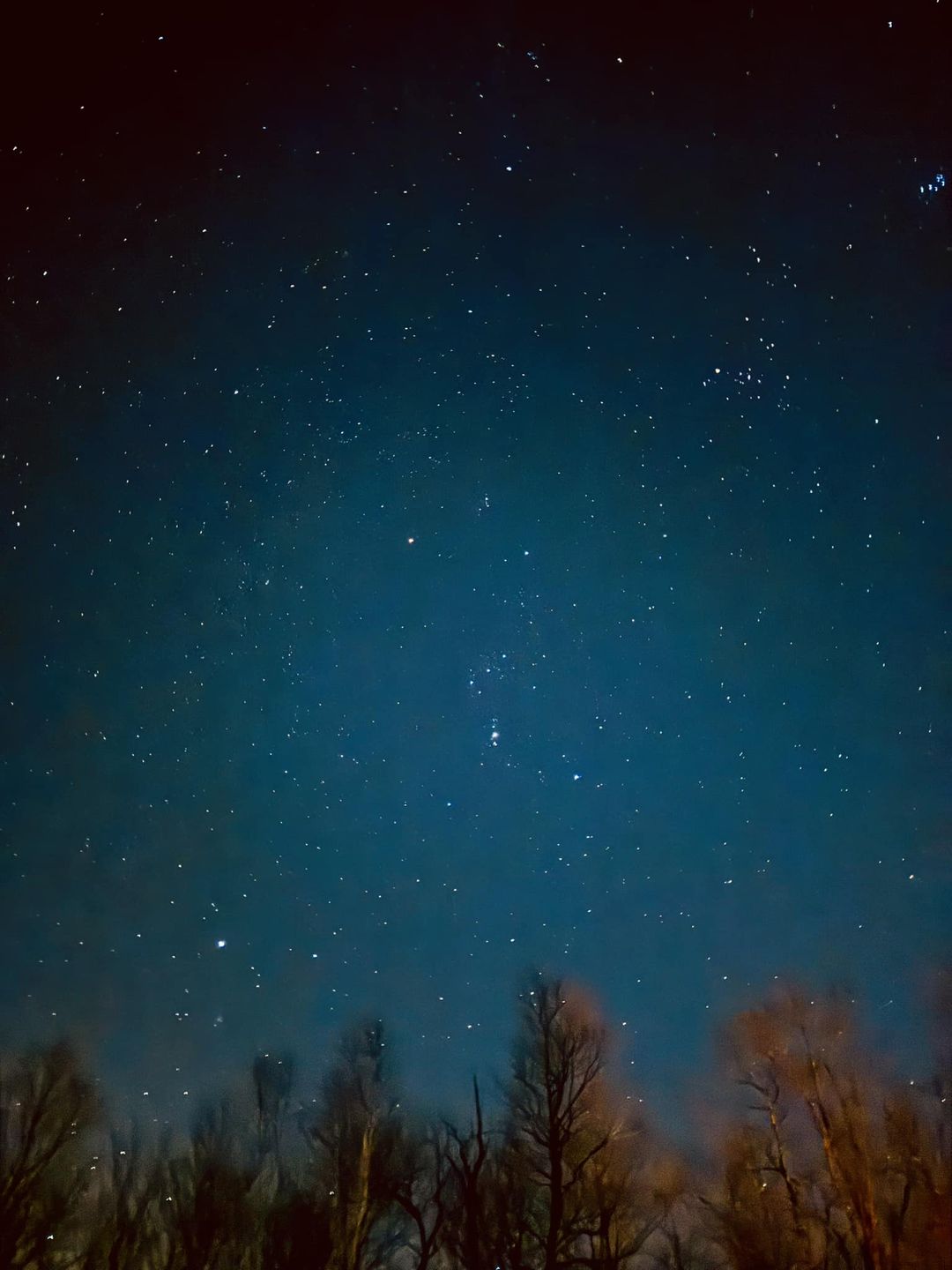
The days are getting longer, but despite the cold and snow, as we move out of the winter Milky Way, there are (as always) lots of things to observe.
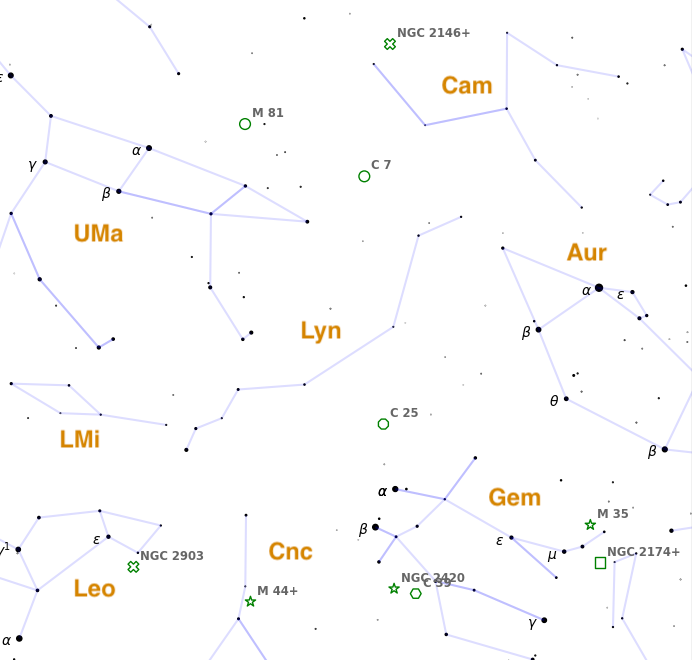
Looking to the East we move away from the winter objects in Orion, Taurus, and Canis Major (although they’re all still observable), and into Gemini and Cancer, but also Camelopardalis and Lynx - both of which are full of deep-sky objects generally overlooked because of their dim parent constellations. As you’re musing about what to look at, don’t forget to check out this area of the sky.
Looking Above
Turning attention away from Orion, there are several exciting objects to see with small telescopes.
Here’s a finding chart for all four of these and other interesting objects.
Clown in the Cold
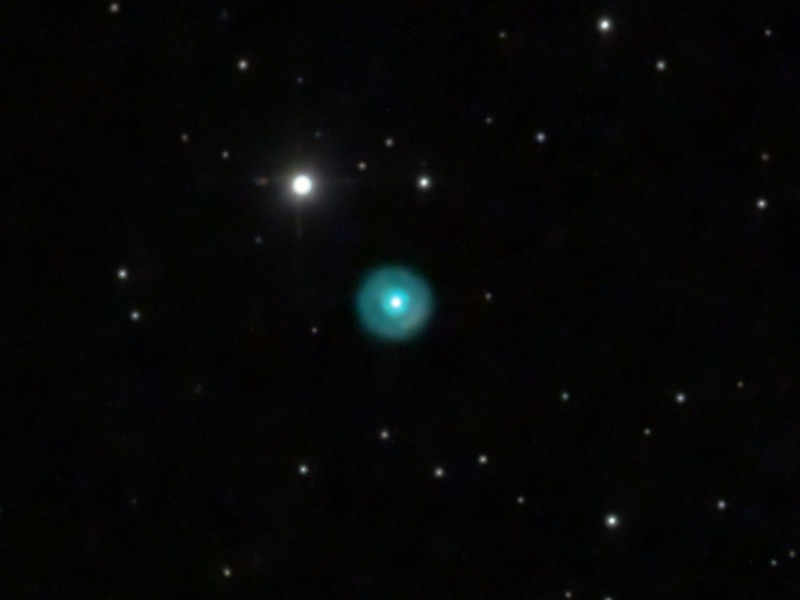
“Twinkling Comet”
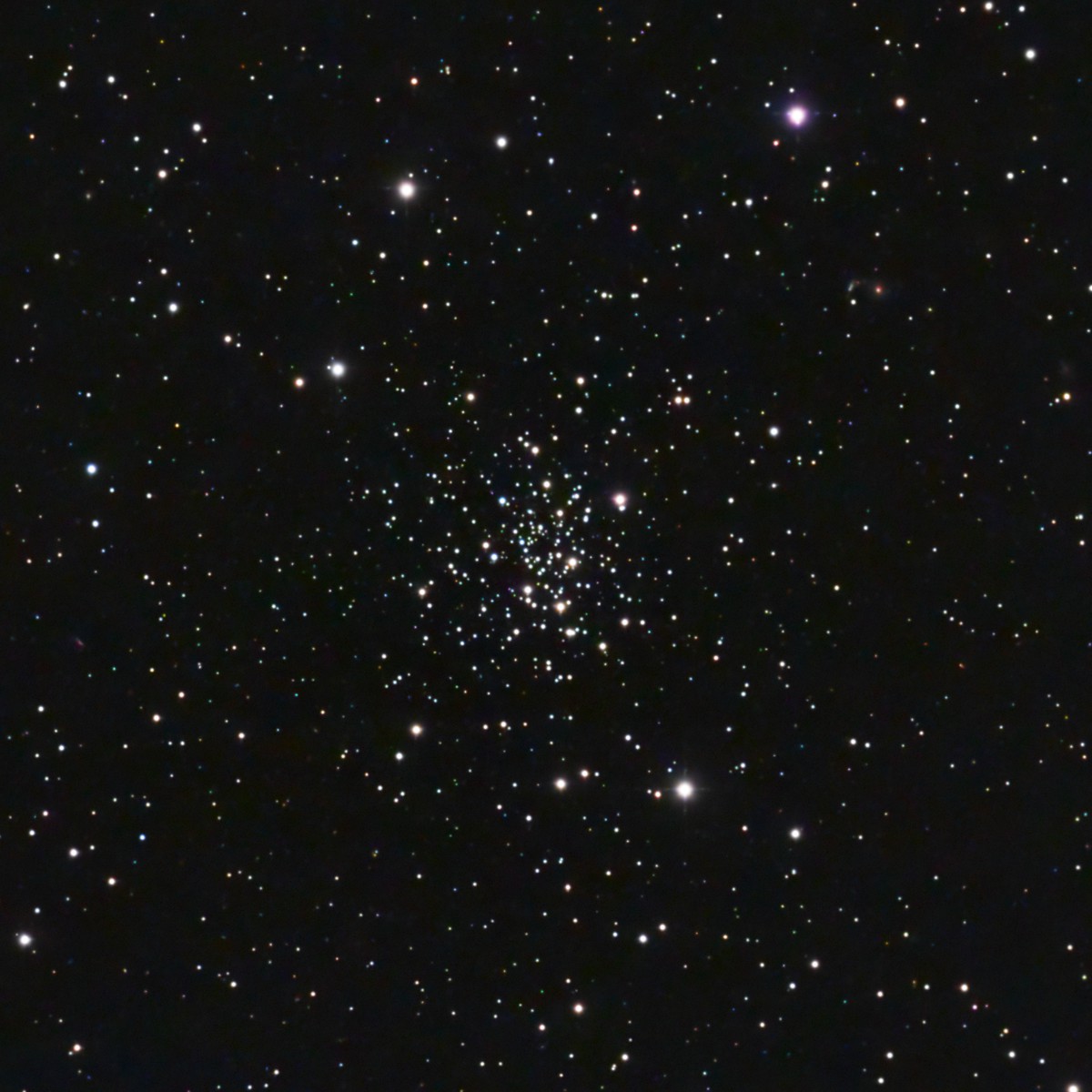
Wanderer?
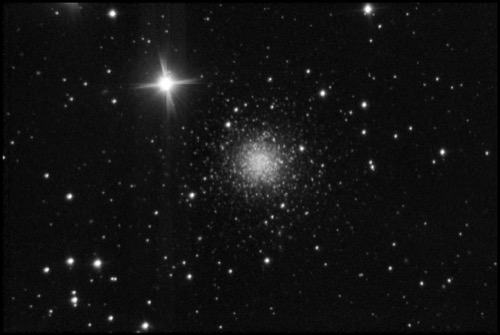
Dusty Hand
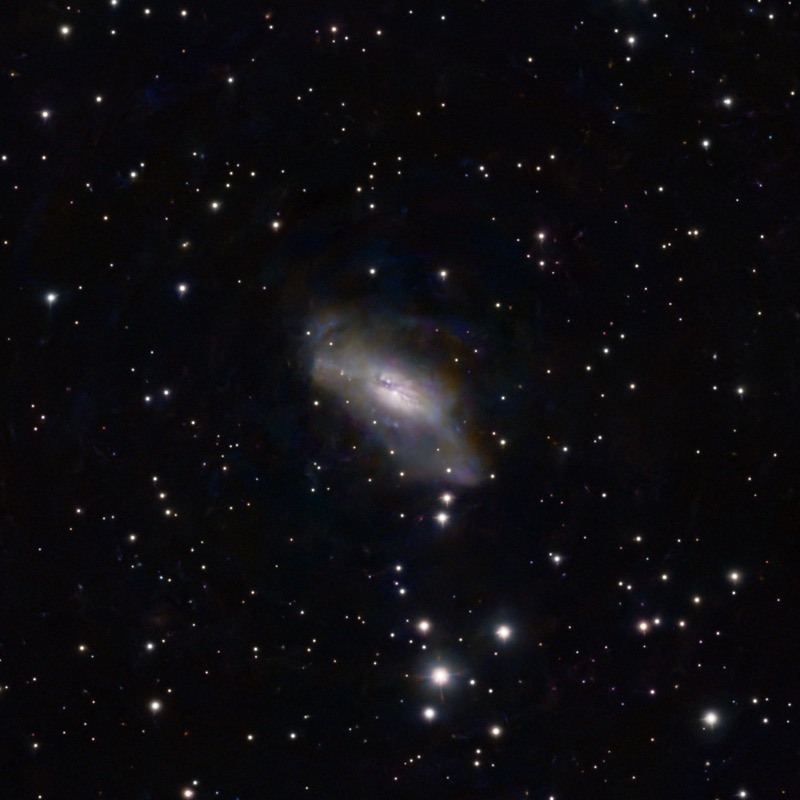
This Month’s Image
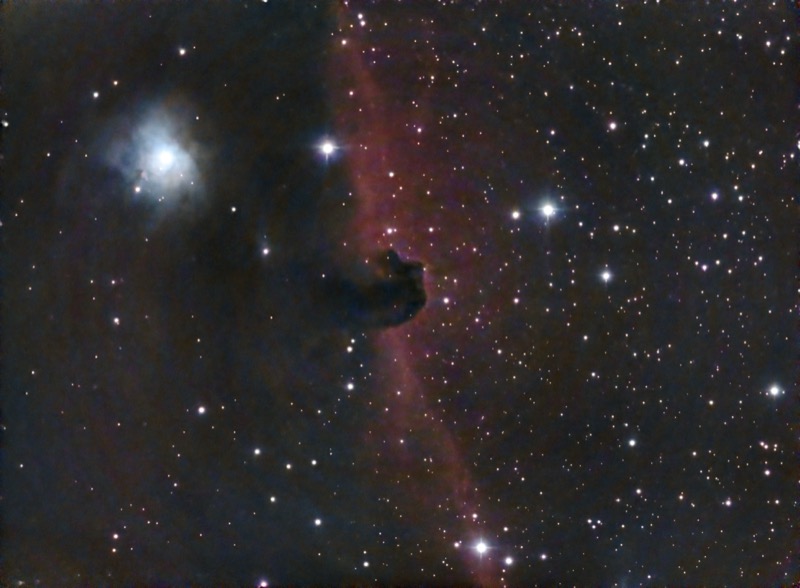
The Horsehead Nebula is something of a “right of passage” for amateurs because it’s challenging to detect visually but well worth it.
Here, the dust cloud of the dark nebula (3 1/2 light years across) is situated in front of an illuminated emission nebula (IC 434). It’s 1,753 light years away.