
The Lion
One of the twelve zodiacal constellations, it was recorded in Ptolemy’s Alagest, and unlike the stick figures for many constellation actually resembles a crouching lion. The association of this constellation to a lion is popular among other cultures: the Greeks, Persians, Mesopotamians, and Indians all saw a lion here in the sky.
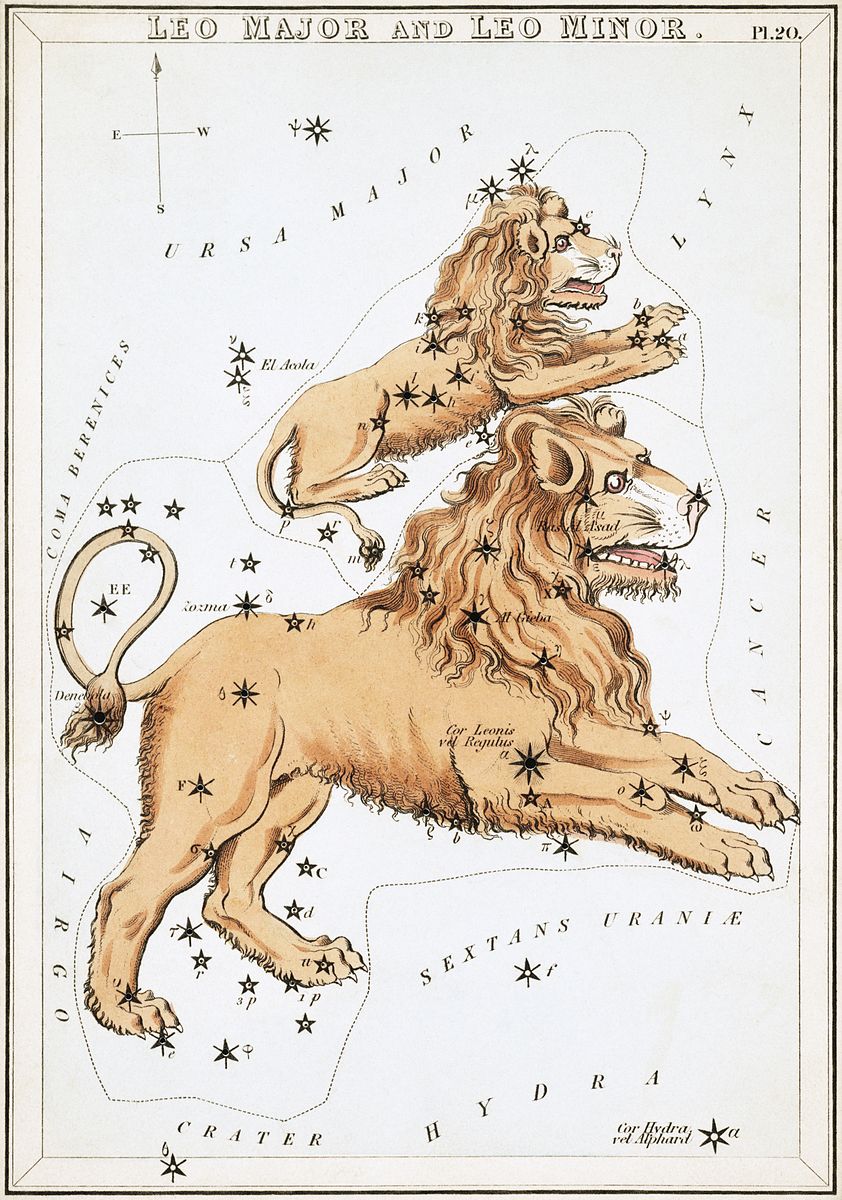
Because we’re now far from the Milky Way, we’re looking out of the plane of the our own galaxy, and most of the deep-sky objects here are galaxies.
The Leo Triplet (M 65, 66, and NGC 3628 - see below) is a favorite, as are the other triplet of M 95, 96, and 105. Another group - the Leo Quartet - has smaller and fainter galaxies but also striking. Even more challenging is the very faint NGC 3175 - part of Copeland’s Septet: seven galaxies clustered within a field only 0.1° across! Finally, just north of Regulus is the Leo Dwarf galaxy - a real challenge to observe because of its low surface brightness, made more difficult because of its proximity to the bright star.
The Other Lion
Just above Leo, wedged against Ursa Major to the North, is the dim constellation of Leo Minor. It too has several galaxies, though they’re all fainter than the more well-known galaxies of Leo, but some treasures can be found: NGC 3486, 3344, and 3432 are particularly exceptional.
Map of Leo
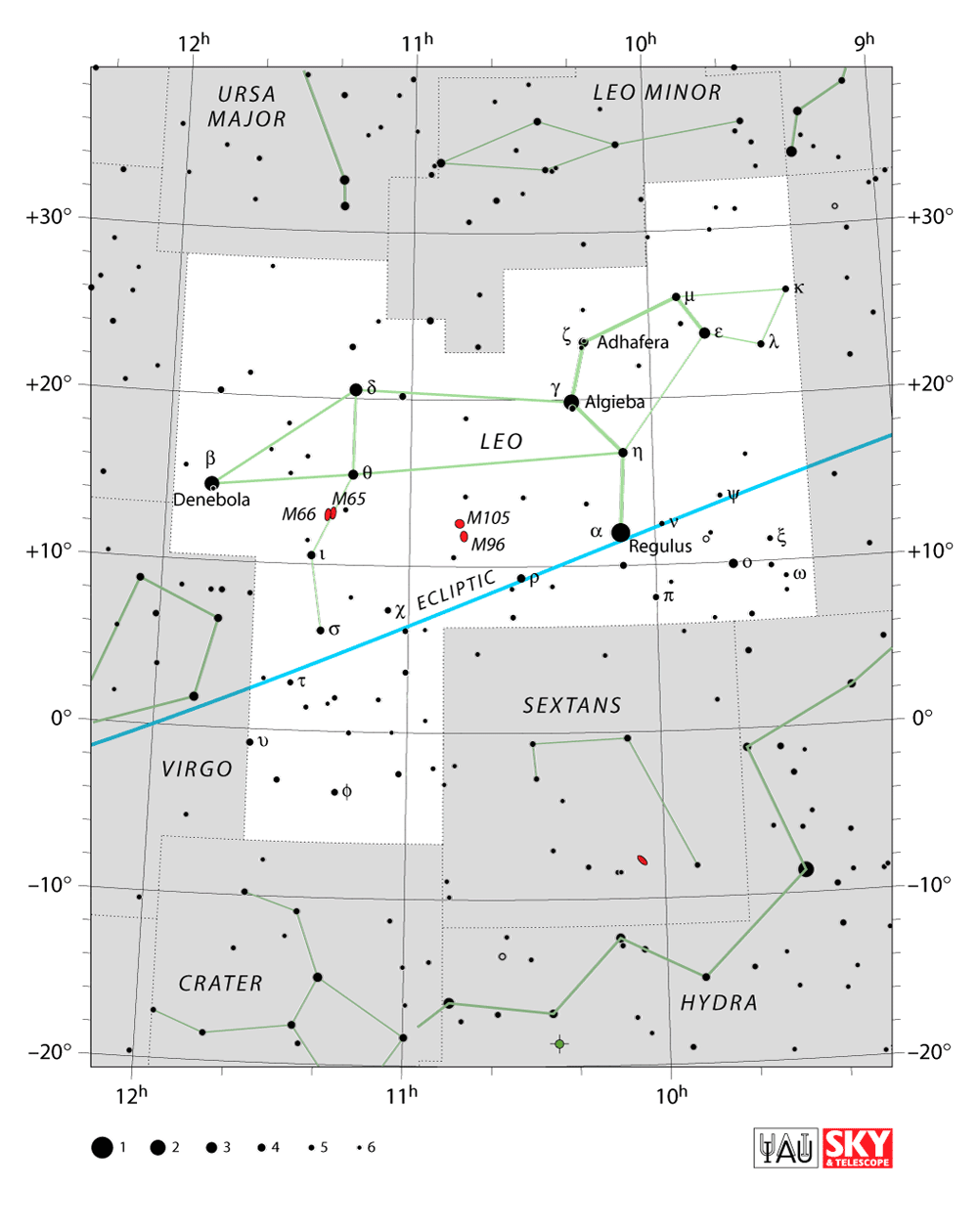
The western part of the constellation has an asterism of a backwards question mark, called “the Sickle”, with 1st magnitude star Regulus at the southern end. Regulus sits almost exactly on the Ecliptic, causing it to have close approaches by planets, and occultations by the Moon. At the other end of the constellation, β Leonis - Denebola - literally means “tail of the lion”. Most of the other stars with proper names correspond to their locations on the lion (not always accurate): γ “the forehead”, ε “the southern star of the lion’s head”, ζ “the braid” (referring to the lion’s mane).
Things to See in Leo
Quick Reference: Objects of Interest
| Object | Type | Equipment |
|---|---|---|
| M 65/M 66 | Pair of Galaxies | Binoculars/Small Telescope |
| NGC 3628 | Edge-on Galaxy | Binoculars/Small Telescope |
| NGC 2903 | Spiral Galaxy | Binoculars/Small Telescope |
| γ Leonis | Double Star | Small Telescope |
| Wolf 359 | Nearby Star | Medium/Imaging Telescope |
| R Leonis | Variable Star | Binoculars |
Messier 65 and 66
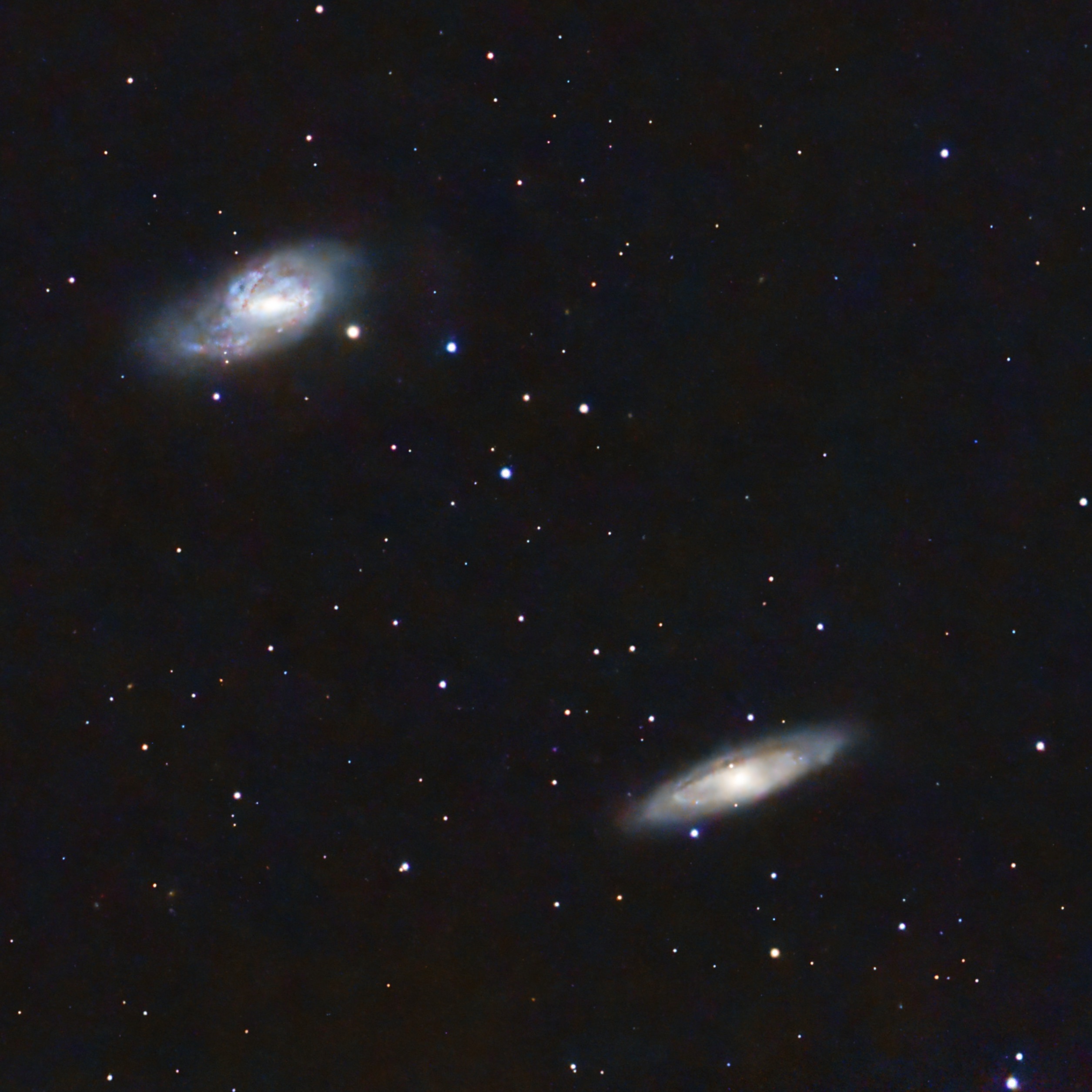
There are three galaxies in the Leo Triplet. Two are in the Messier catalog: M 65 and M 66, only 1/3° apart though about 30 Mly distant and only about 0.3 Mly apart. An observer there would see the others span 30x the diameter of the Moon and very bright.
Extragalactic Hamburger
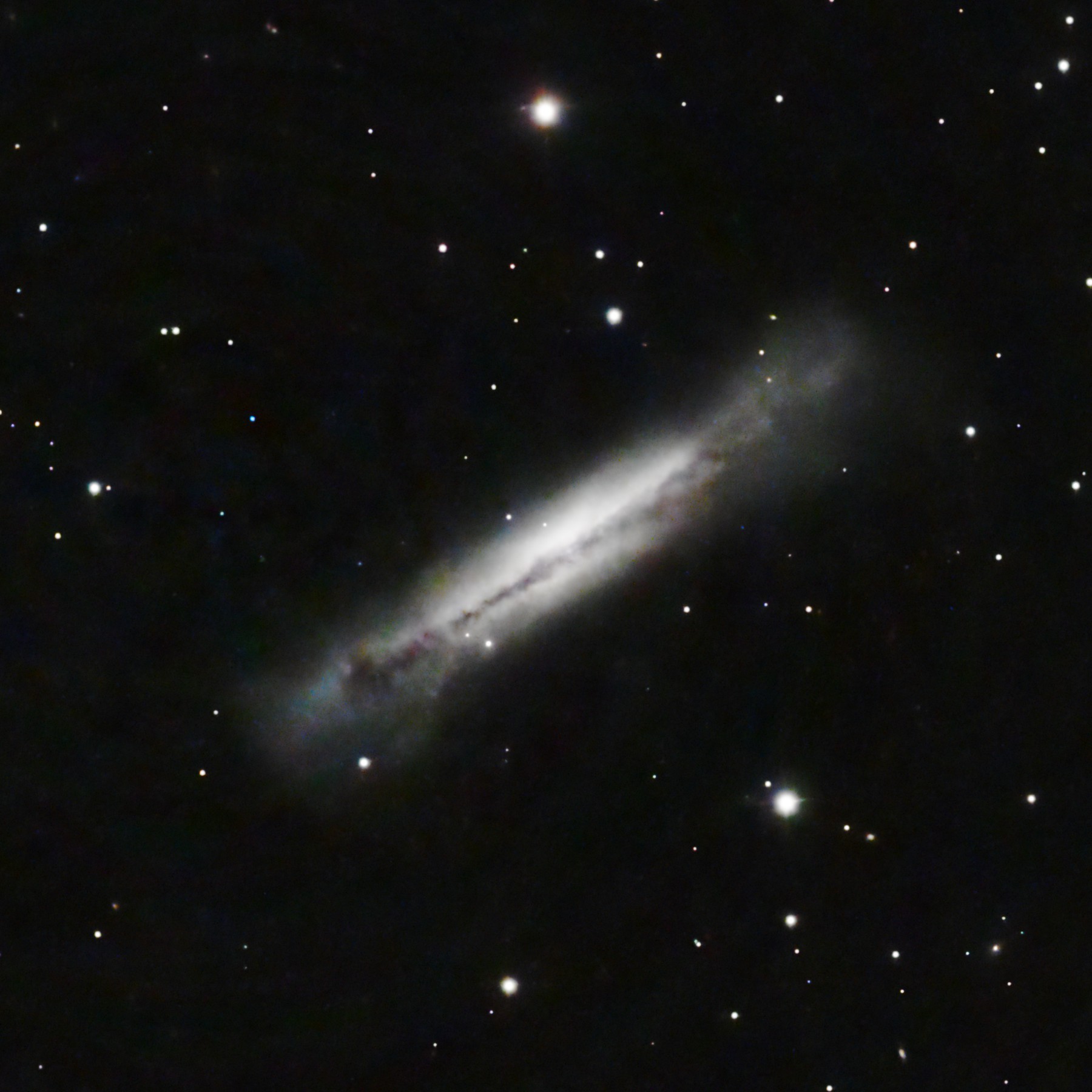
The third Leo Triplet member NGC 3628 lies 0.6° North of the other two. This edge-on galaxy has a very prominent dust lane, giving it the nickname “The Hamburger Galaxy”.
The three galaxies can be seen dimly with binoculars under very dark skies.
A Fine Spiral
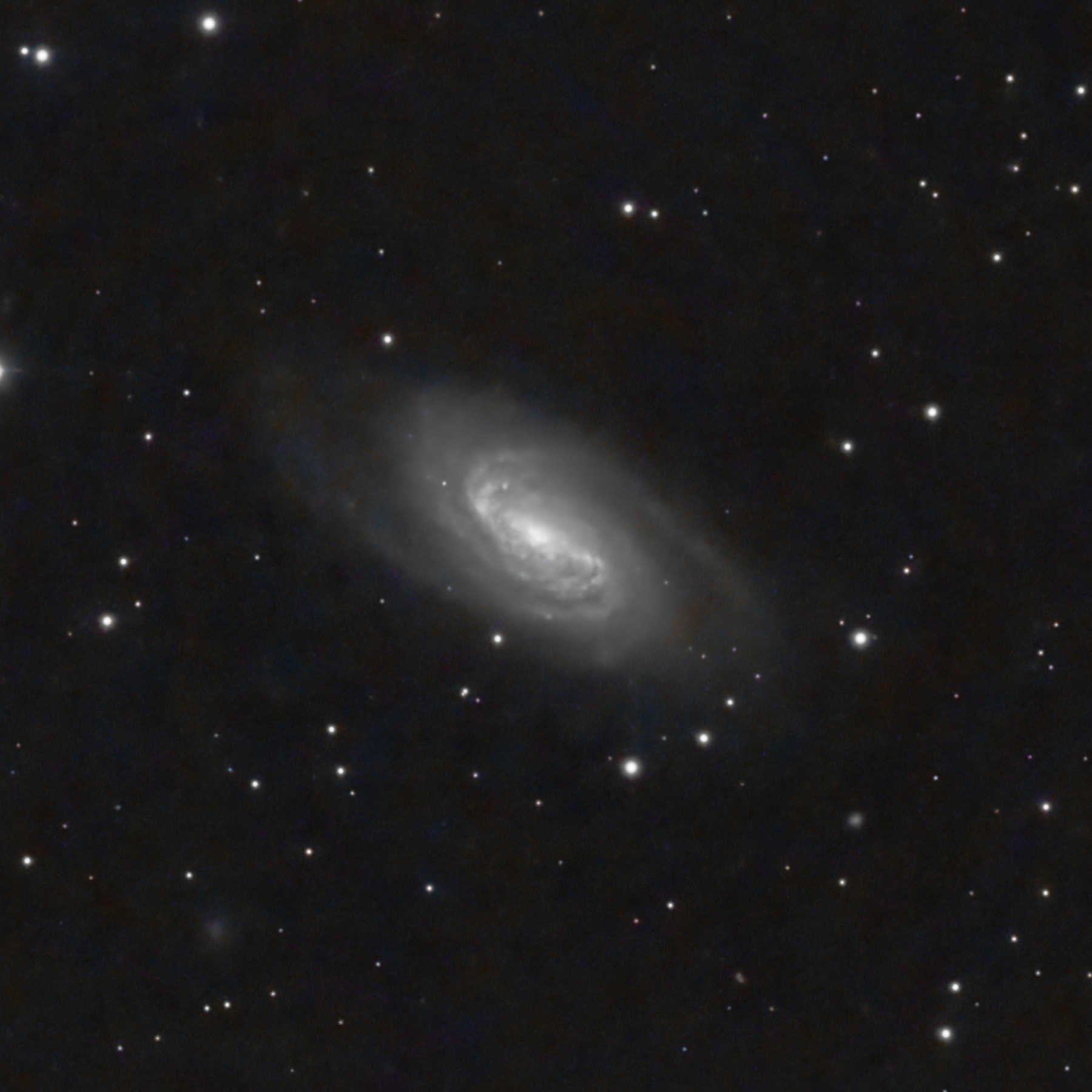
Strangely, this galaxy isn’t include in Messier’s catalog, nor in Patrick Moore’s Caldwell Catalog, though it’s a somewhat easy target – even in small telescopes. This makes it a little overlooked by beginners but once you’ve “discovered” it, it becomes a favorite.
Just 1.5° S of Alterf (λ Leonis), it’s surprising that Messier missed this bright large galaxy. Like the others, it’s also 30 Mly away. It’s considered by many to be the “first galaxy of galaxy season”.
Challenging Double Star
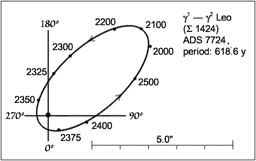
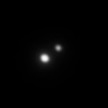
Algebra (γ Leo) is the 3rd brightest star in Leo, in the middle of the Sickle asterism. It’s a close binary pair of two giant stars - both orange-yellow in color. The pair orbit each other every 600 years, and right now are about as far apart as they appear from Earth in their orbit. You’ll need magnification and steady skies to split them, but it should be doable with a 4” or larger.
Very Dim Neighbor
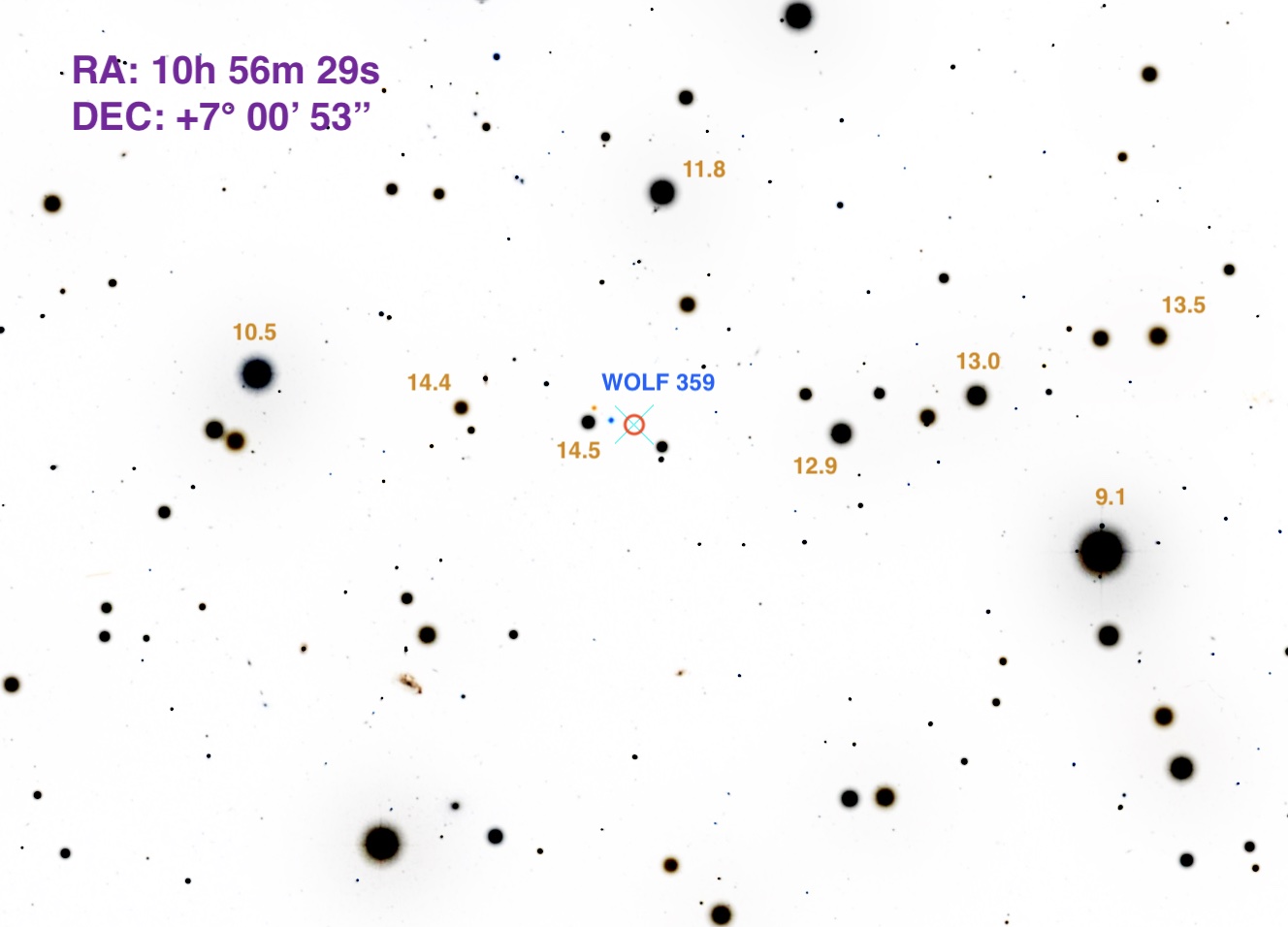
Wolf 359 - despite its proximity to home is actually extremely faint due to its low mass. It has a magnitude of 13.5 - sometimes brighter as like most red dwarfs it is a flare star.
While this star requires a large aperture or camera to detect, tracking it down is a good observing challenge, and realizing that many stars close to the Sun are actually rather “stealthy”. The chart is about 1/2° across. Some stars are labeled with their magnitudes for comparison.
Catch a Pulsating Red Giant
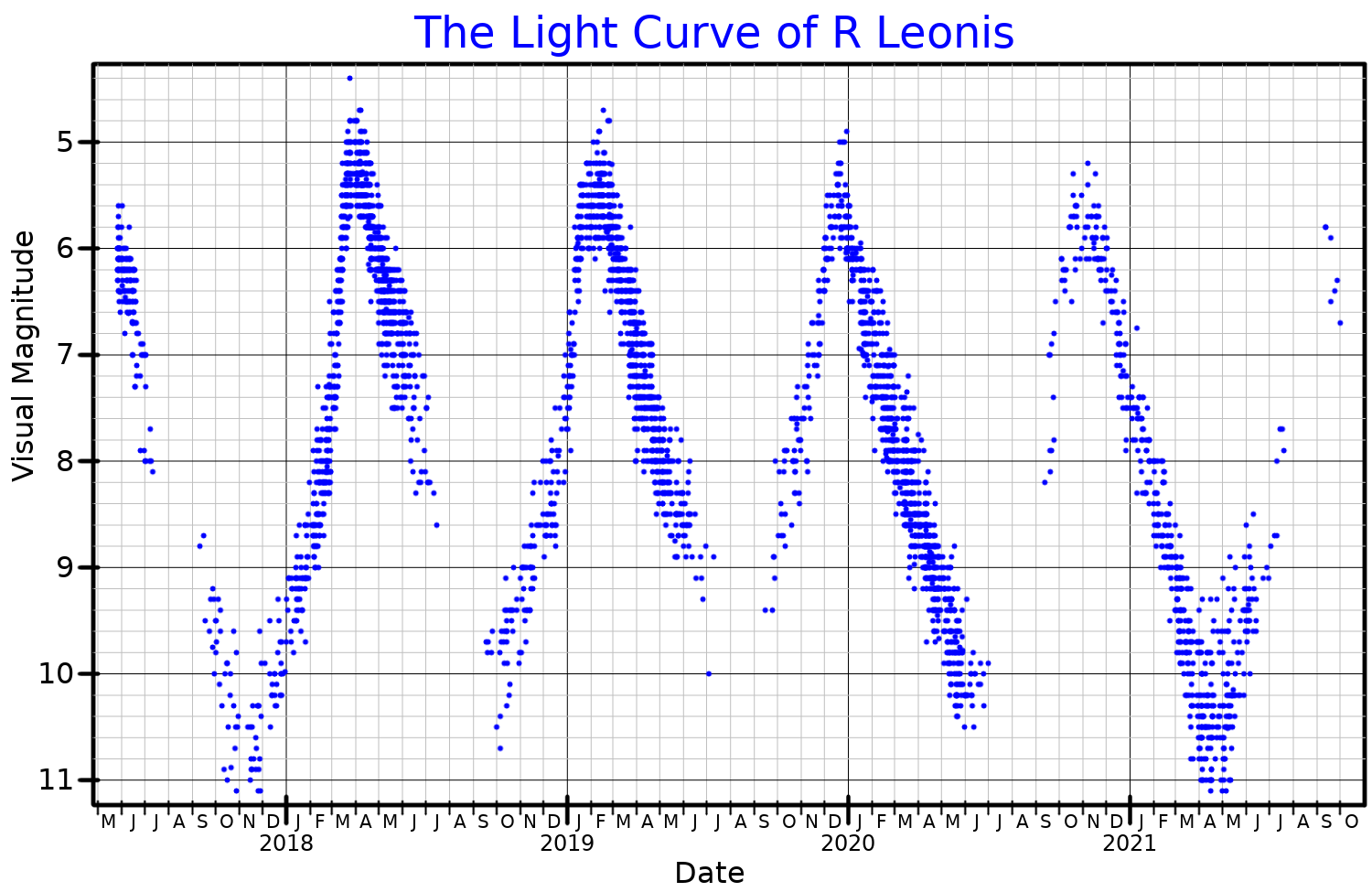
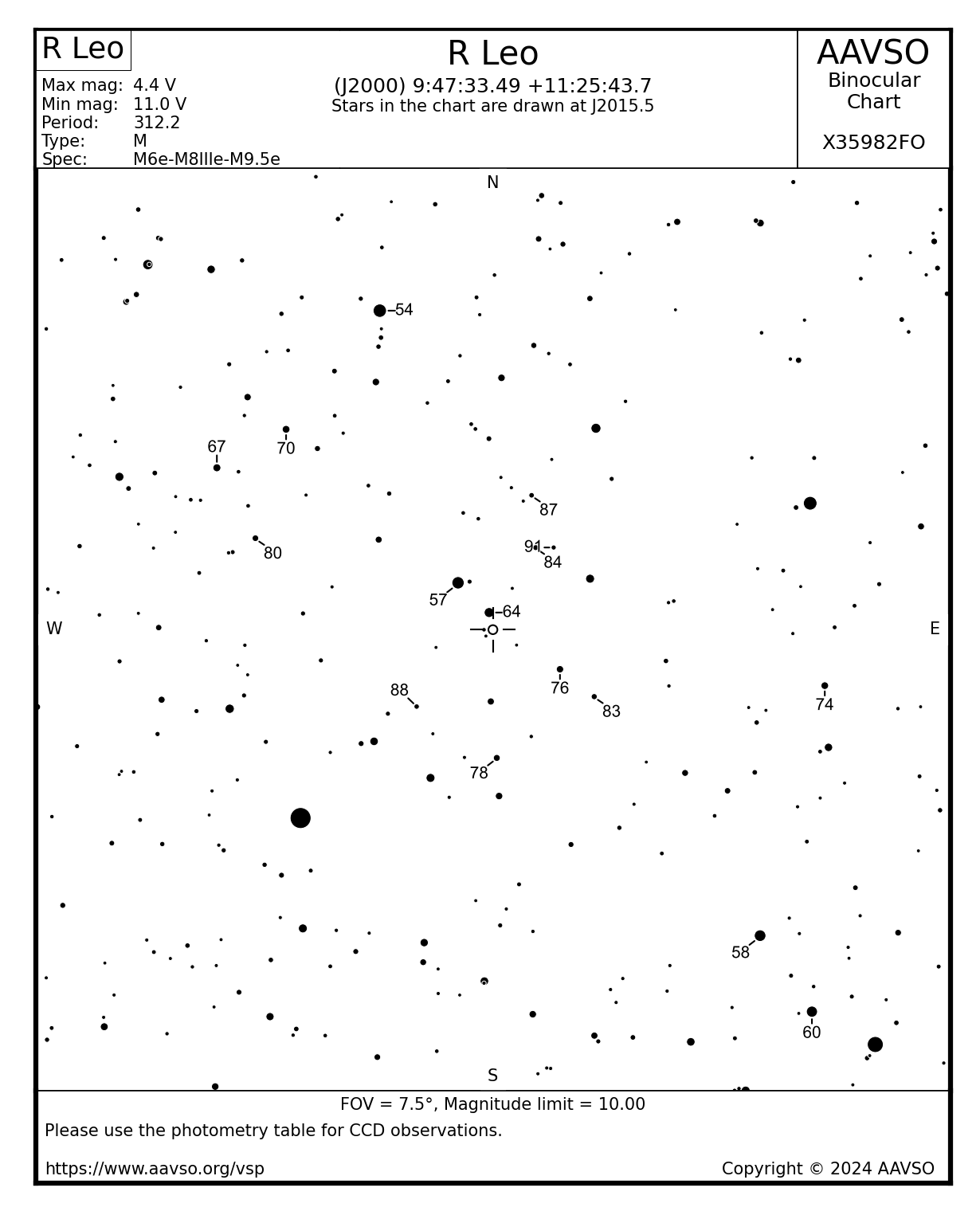
R Leonis is a “Mira”-type long-period variable star with a period of roughly 312 days. In 2024, it will reach maximum brightness during the month of March, and if not quite viewable with the naked eye, the very red star ought to be easily seen in binoculars when close to maximum brightness, probably 6th magnitude.