Spring Arrives!
With the Spring Equinox we reach the point where the Sun crosses the Equator and days are now longer than nights. As much as that means less time to observe, we can start to do so with slightly warmer weather. Orion still hangs in the western sky, with our last chance to check out those winter objects.
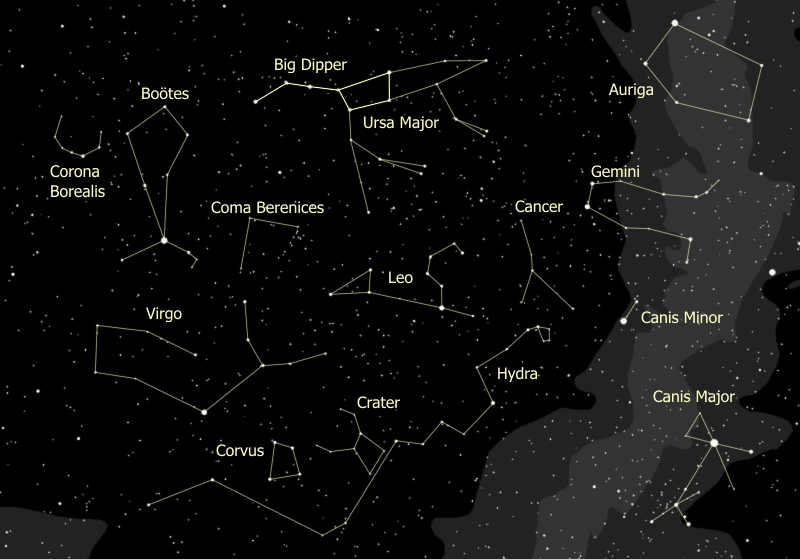
Meanwhile, other familiar locations return: Ursa Major is climbing to zenith, Leo is rising in the East, and below it, the head of Hydra - the beginning of the largest constellation that extends over a quarter of the sky.
Daylight Saving Time begins on March 10th. Finally, we’re ramping up to the nearly-total solar eclipse on April 8th, with a public lecture covering everything you want to know at our next meeting on April 3rd.
Looking to the Northeast
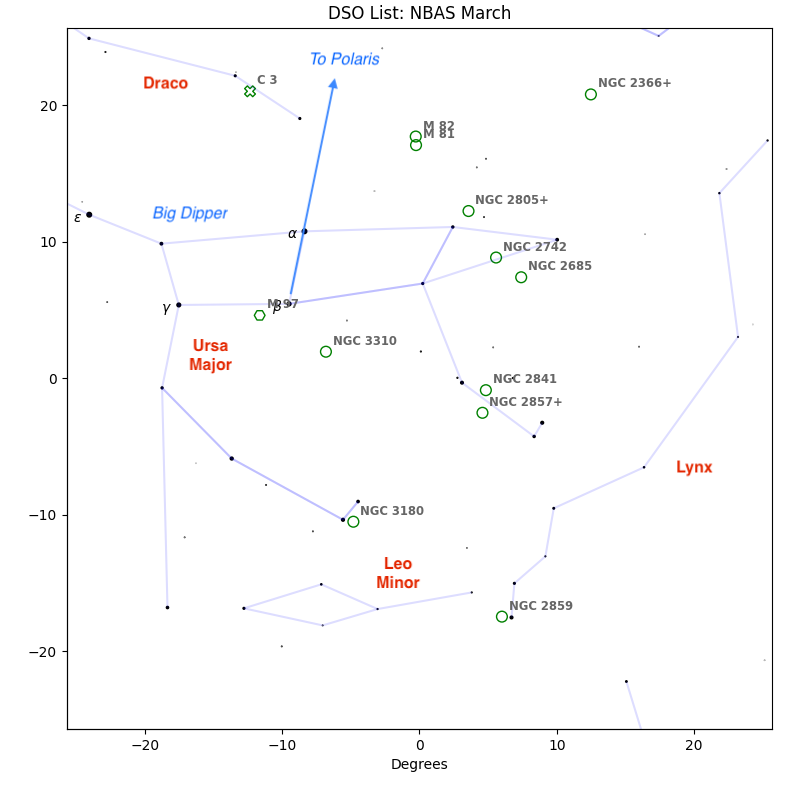
Before we dive into the sea of springtime galaxies, there are a few objects to look at in the Western parts of Ursa Major. Here’s a finding chart for all four of these and other interesting objects.
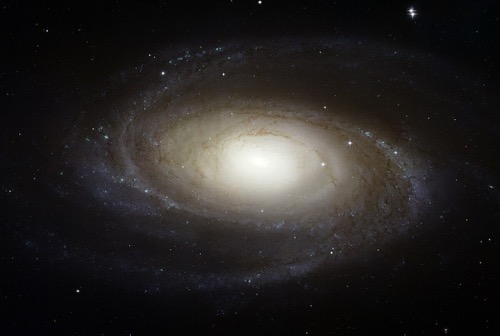
Bode’s Galaxy
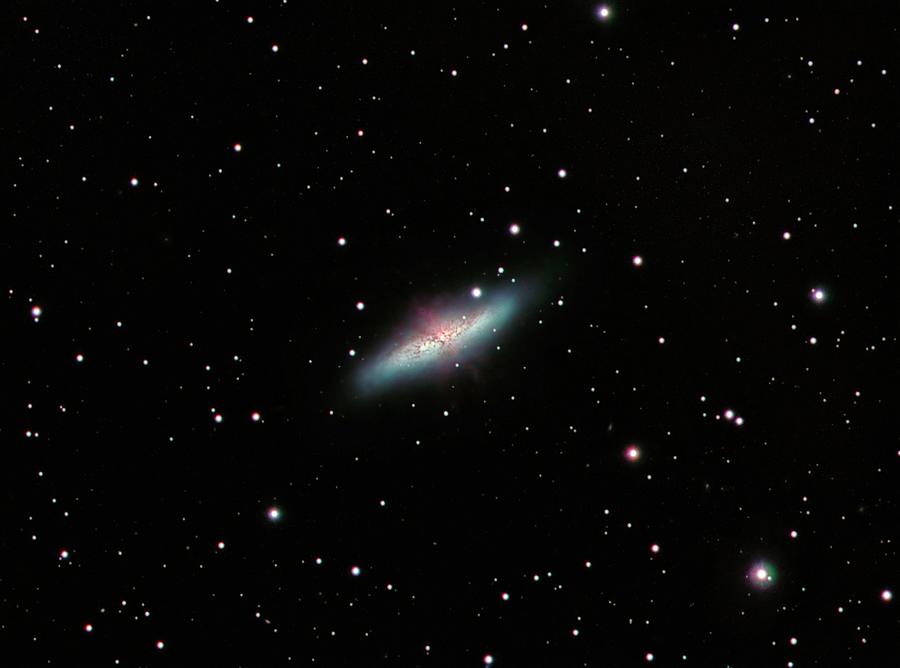
Exploding Cigar
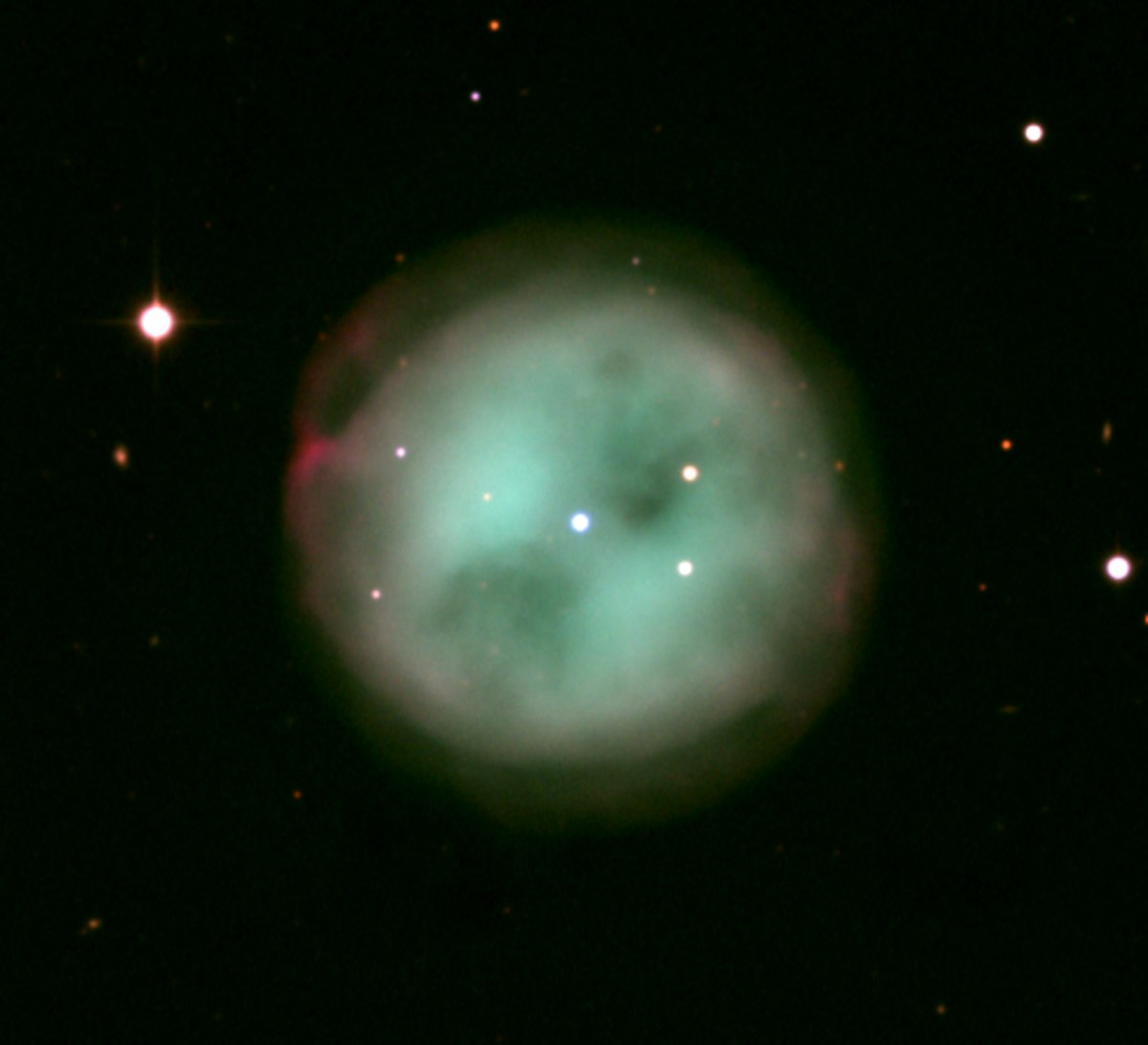
Ghostly Owl
Finally, it’s the last chance to see this comet (mag 11-13), which is close to 4th mag star ο Vir all month.
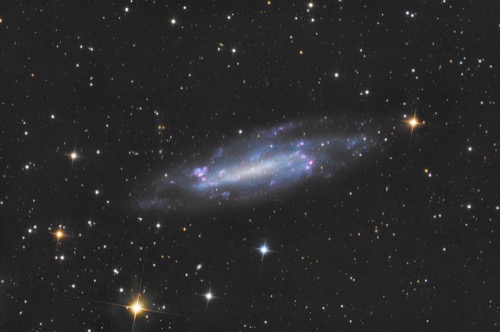
Dragon’s Needle
This Month’s Image
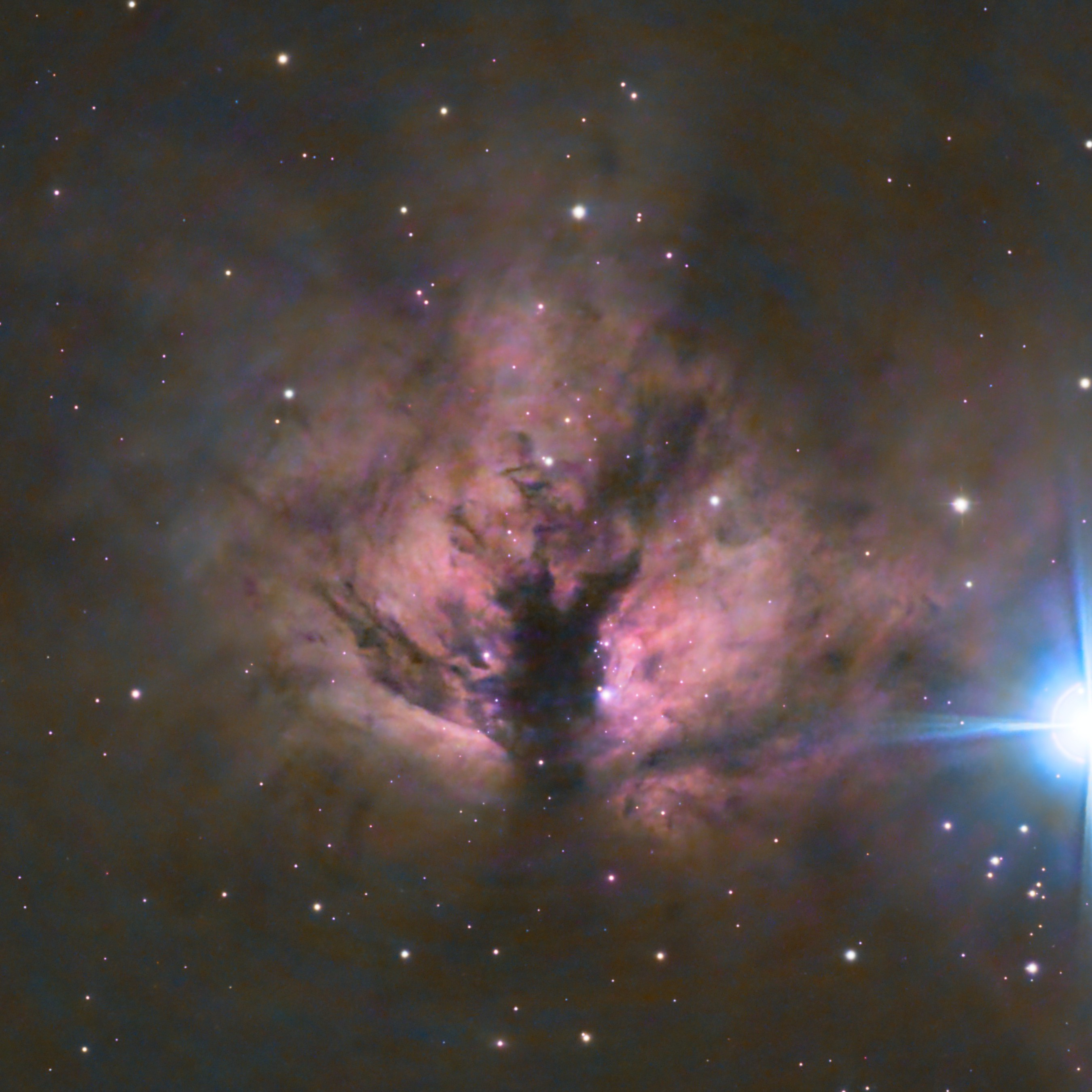
The Flame Nebula is just to the East of Alnitak (ζ Orionis), the leftmost star in Orion’s Belt.
It’s an emission nebula, with about 800 newly-formed stars, 6 light years across, and about 1400 light years away.