Berenice’s Hair
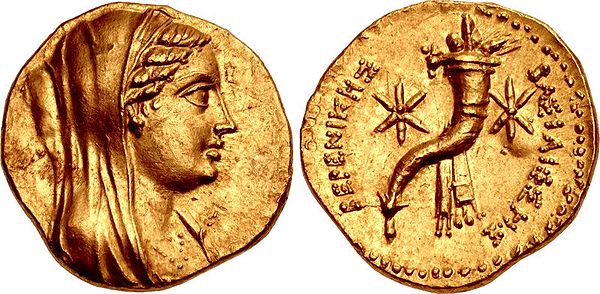
The only constellation related to a historical person, this dim collection of stars between Leo and Boötes dates from Ptolemaic times. Berenices II was queen regent of Cyrenaica (E. Libya) and later co-regent of Ptolemaic Egypt in the mid-3rd century BCE.
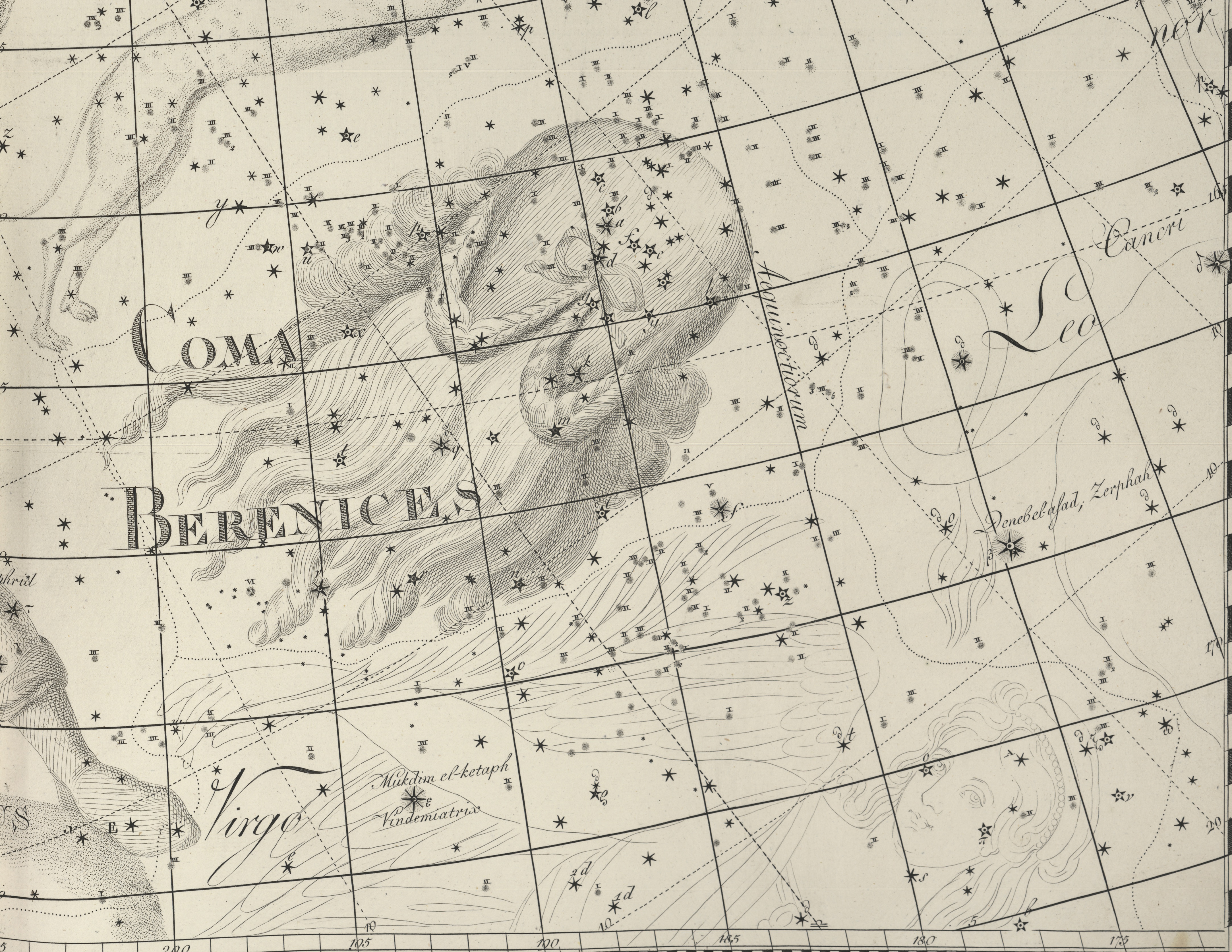
How her hair becomes celestial is connected to a story that she would shave her head as sacrifice if her husband (Ptolemy III) returned safely from the 3rd Syrian War, placing them as a votive offering in the temple at Alexandria, but they soon went missing. The court astronomer (Conon of Saros) explained this by blaming Aphrodite had moved the hair to the sky so as to acknowledge her sacrifice.
Despite being in an area without very bright stars, the association isn’t surprising since there is a scattering of dim naked-eye stars there, mostly 5th magnitude, which are actually mostly part of a very sparse open cluster (Melotte 111, or the “Coma star cluster”). Astrophysically, it’s actually important: at 280 light years away, and forms a rung of the “cosmic distance ladder”. The cluster has an age of 1/10th the Sun’s, so the stars similar to the Sun in the cluster also give us a glimpse into the Sun’s earlier history.
Map of Coma Berenices
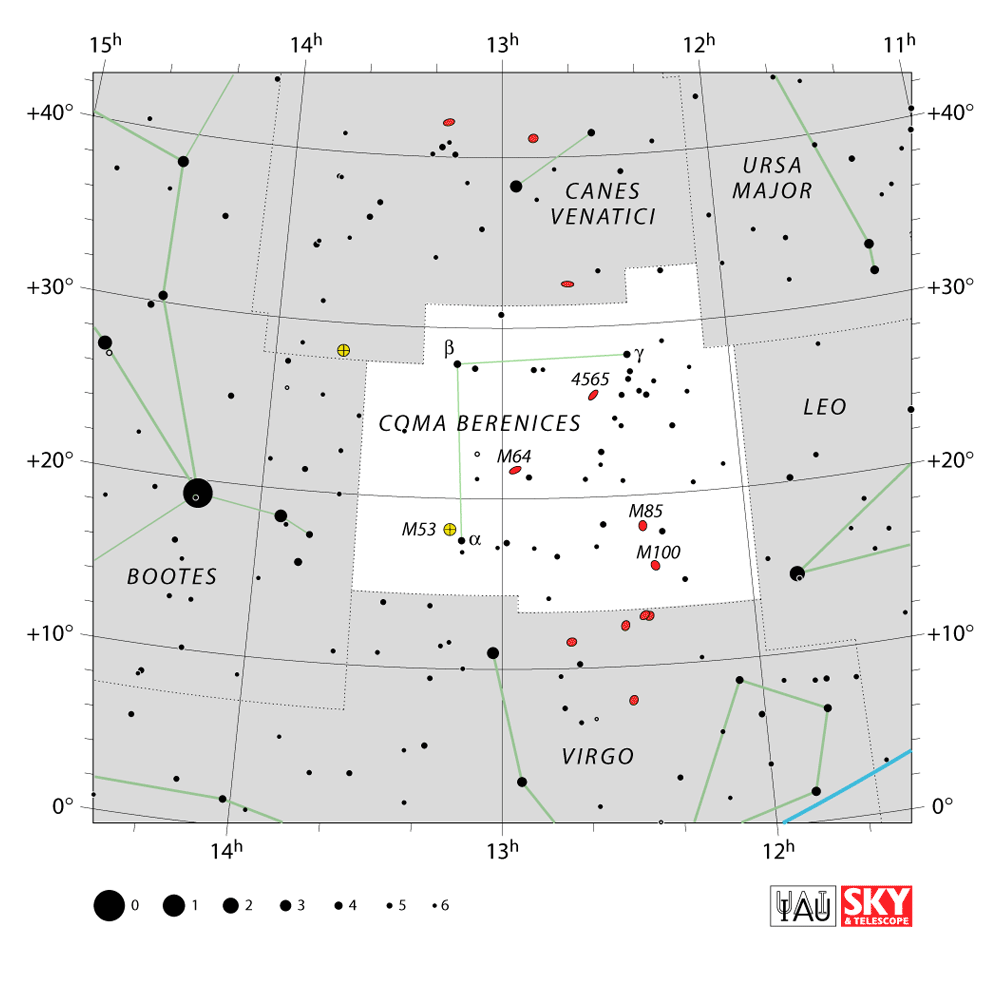
The western part of the constellation has an asterism of a backwards question mark, called “the Sickle”, with 1st magnitude star Regulus at the southern end. Regulus sits almost exactly on the Ecliptic, causing it to have close approaches by planets, and occultations by the Moon. At the other end of the constellation, β Coma Berenicesnis - Denebola - literally means “tail of the lion”. Most of the other stars with proper names correspond to their locations on the lion (not always accurate): γ “the forehead”, ε “the southern star of the lion’s head”, ζ “the braid” (referring to the lion’s mane).
Things to See in Coma Berenices
Quick Reference: Objects of Interest
| Object | Type | Equipment |
|---|---|---|
| Melotte 111 | Star Cluster | Binoculars |
| Coma B (NGC 4889) | Cluster of Galaxies | Binoculars/Small Telescope |
| Hickson 61 | Group of 4 Galaxies | Small Telescope |
| M 100 | Spiral Galaxy | Medium/Imaging Telescope |
| M 64 | Intermediate Galaxy | Small Telescope |
| Caldwell 38 (NGC 4565) | Spiral Galaxy | Small Telescope |
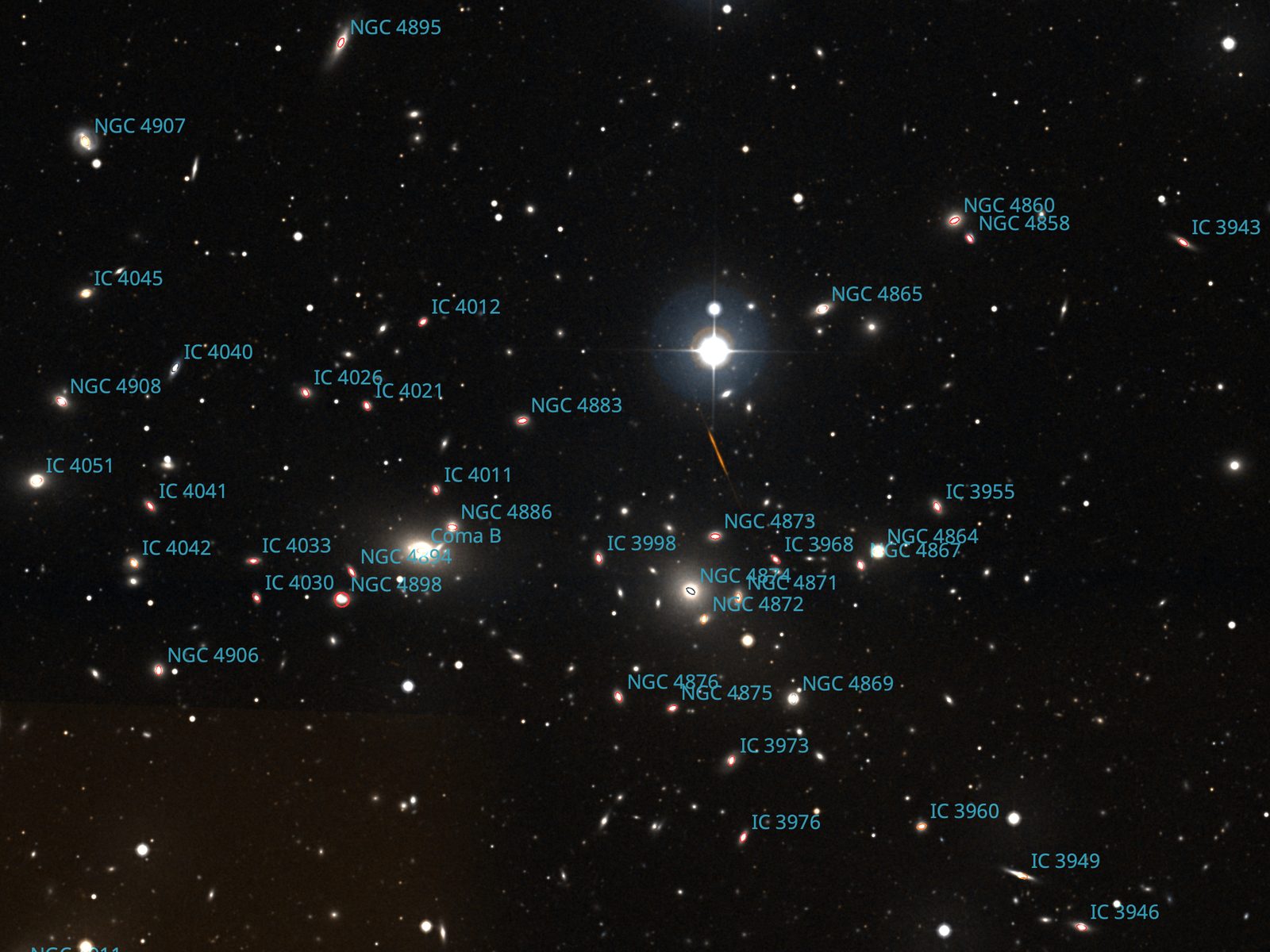
Galaxy Swarm!
The Coma cluster has hundreds of galaxies, mostly ellipticals and lenticulars. Two are moderately bright: the rest small and faint but make a fun challenge.
The Box
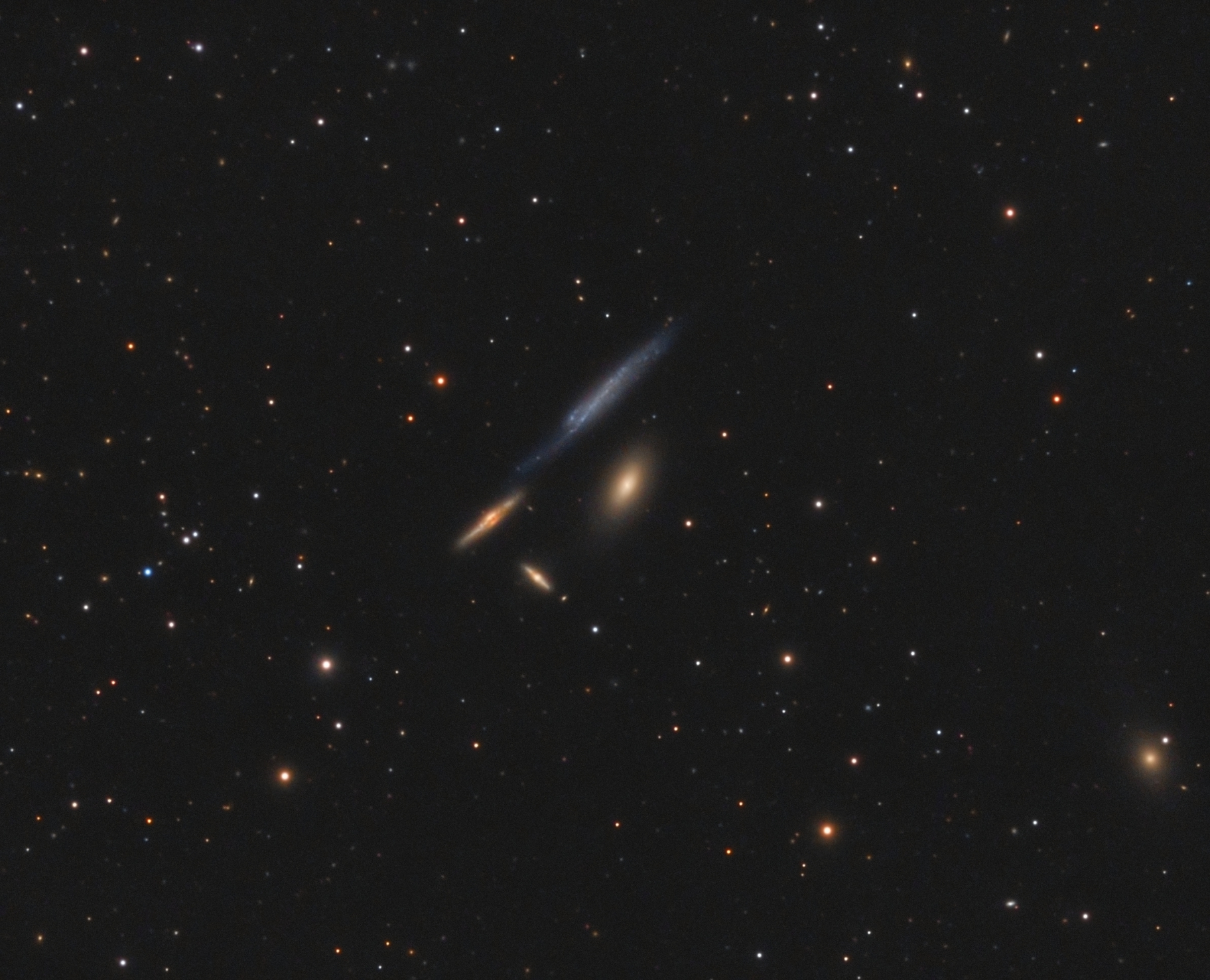
Four very different galaxies, all within a few arcminutes of each other. They’re faint (mag 12-13), especially the strewn-out NGC 4173, which unlike the others (at 190 Mly) appears to be much closer (46 Mly).
Classic Spiral
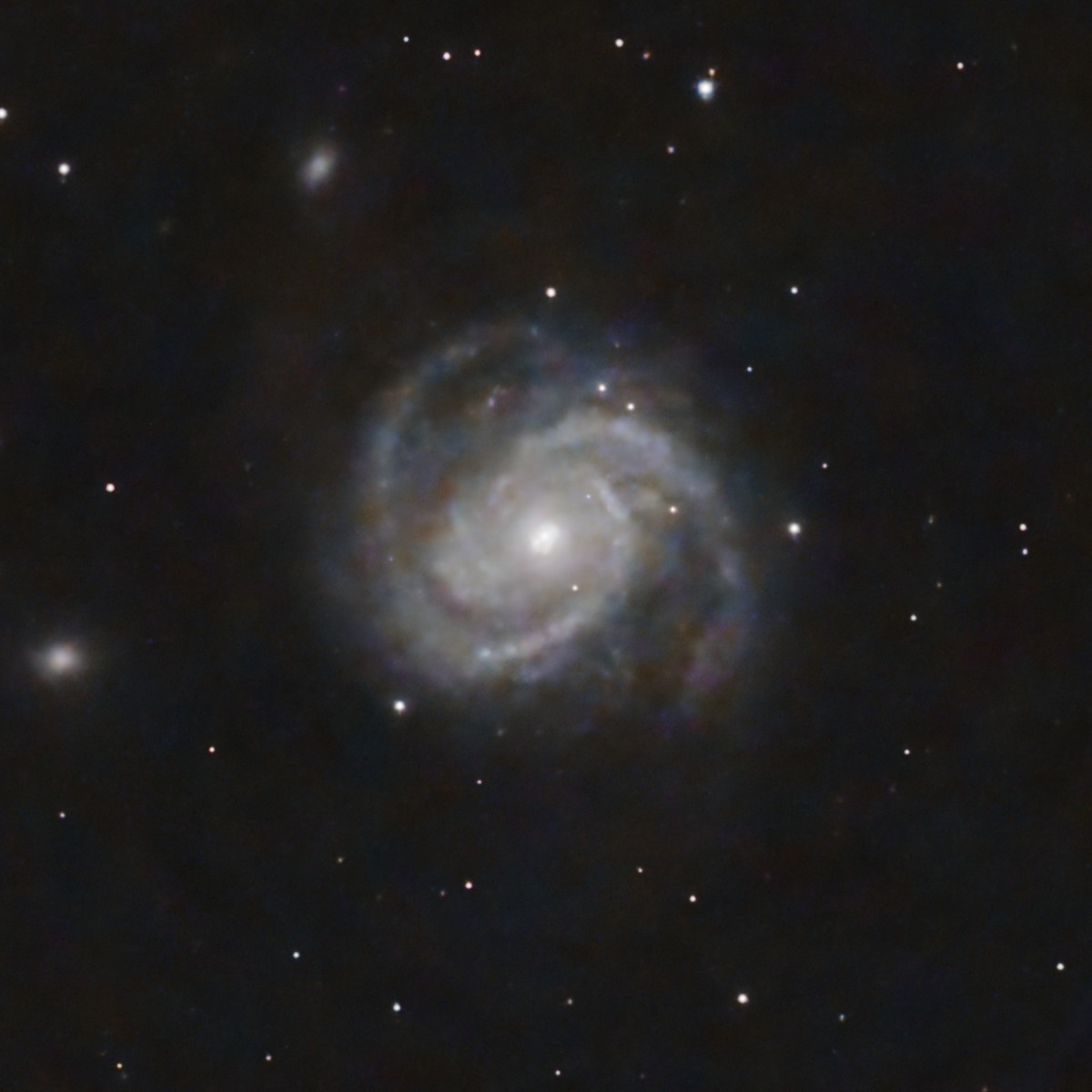
M 100 is a face-on spiral with very extended arms, one of the brightest galaxies in the Virgo Cluster, 55 Mly away. It’s only 60% the size of the Milky Way.
Cosmic Black Eye
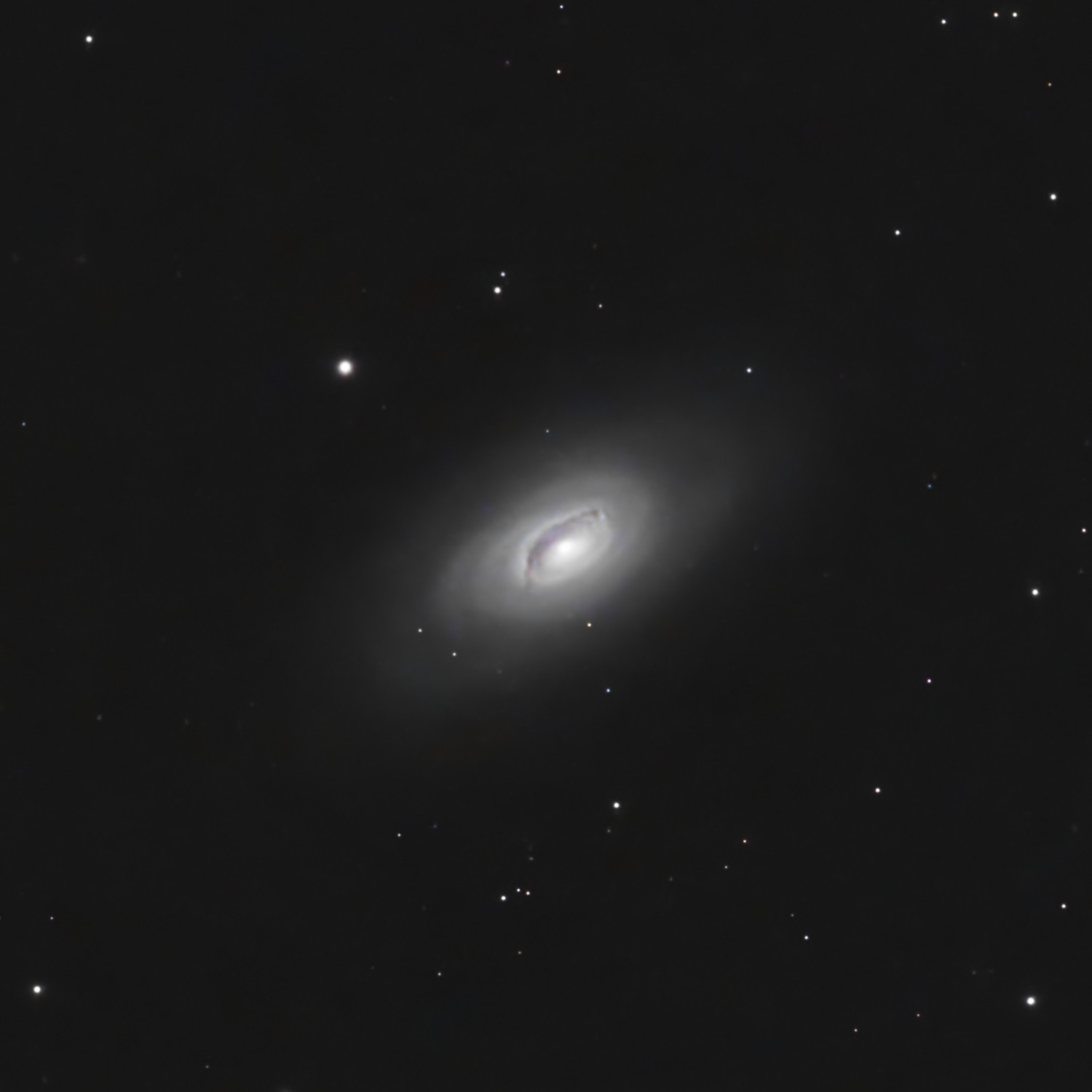
Messier 64, though in the same part of the sky as the Virgo Cluster galaxies, is actually closer - only 17 Mly distant. Its most-notable feature is the dark dust band, noticeable in even smaller telescopes.
Edge-On Needle
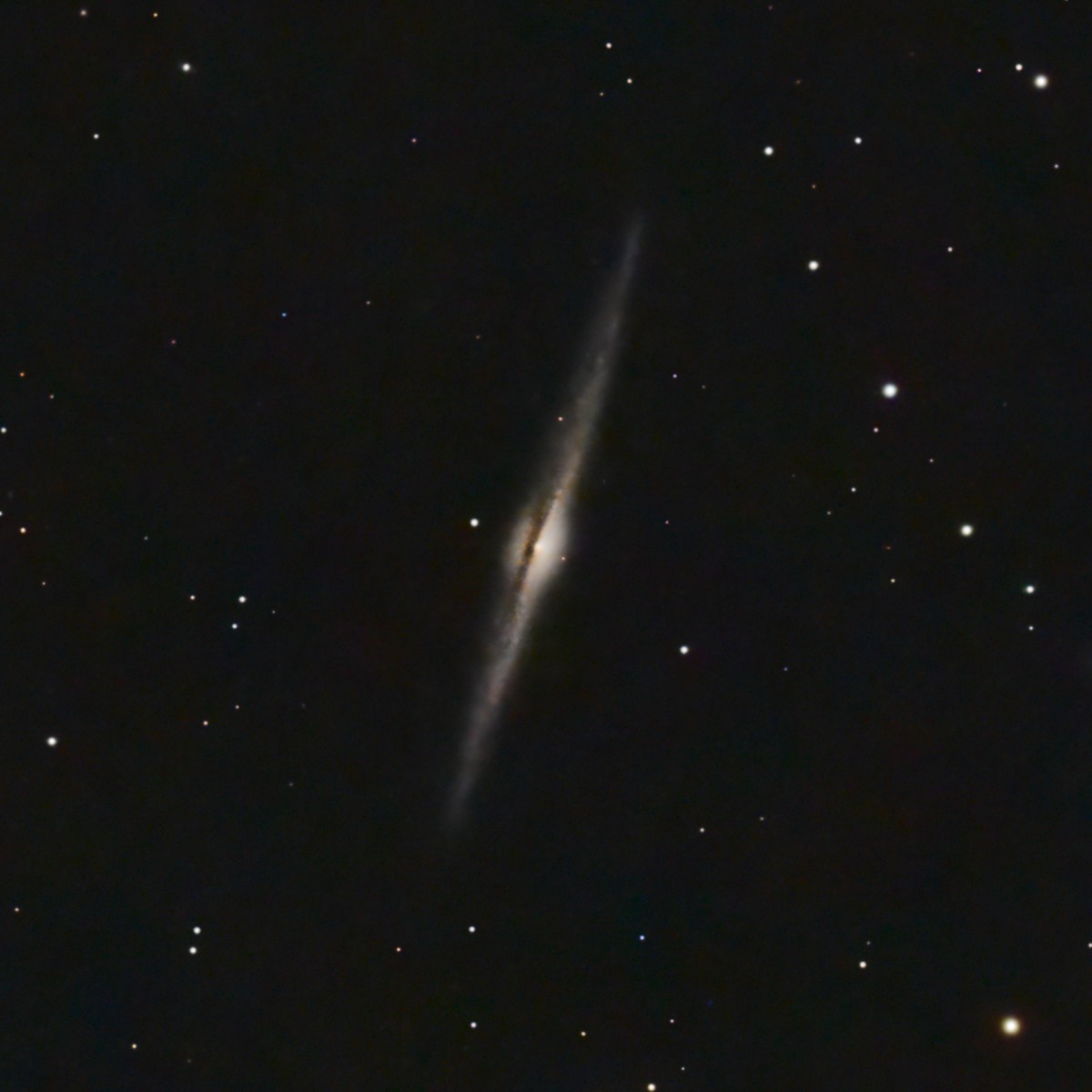
40 Million light-years (Mly) distant, NGC 4565 is a favorite object in all telescopes. It’s probably very close to what the Milky Way would look like viewed “on edge” from the outside, with a halo and dust lanes bisecting a slightly-warped disk.
Berenice’s Locks
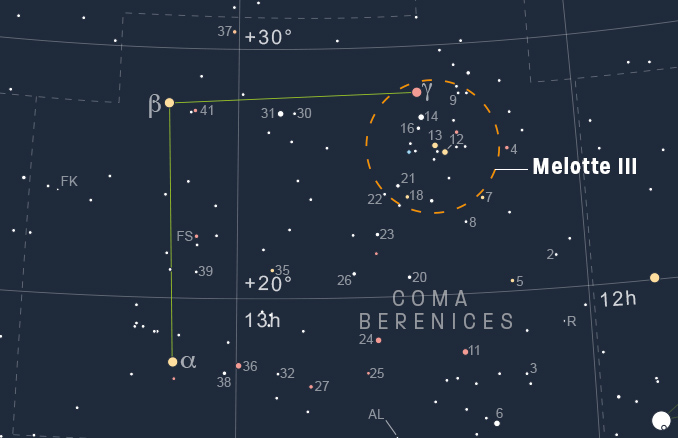
Although not as densely packed as some other star clusters, this unassuming open cluster is very important, and has been noted in historical records for centuries. Best observed in binoculars.