Happy Anniversary!
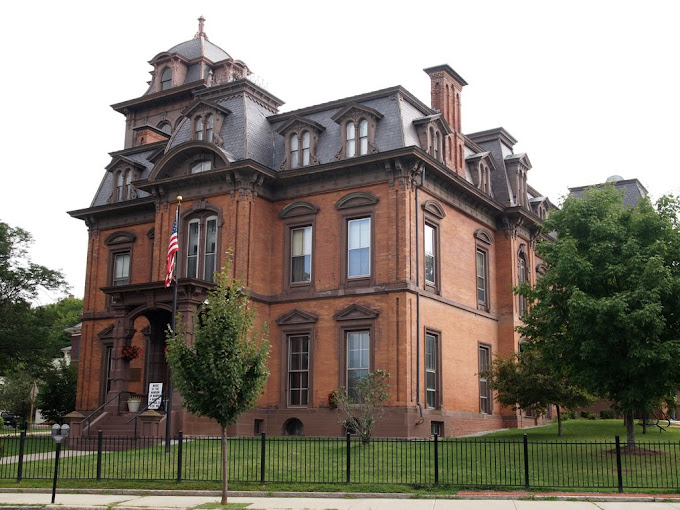
We’re 1 years old! In this first year, we’ve made significant progress, observed together, provided public support for a solar eclipse, and sponsored a few public talks. The next year should be exciting.
Moving into Fall
The Autumnal Equinox is on 9/22 after which the nights become longer. Both Saturn and Neptune reach opposition (on the 8th and 21st, respectively) at which point they’ll be their largest and brightest.
Partial Lunar Eclipse
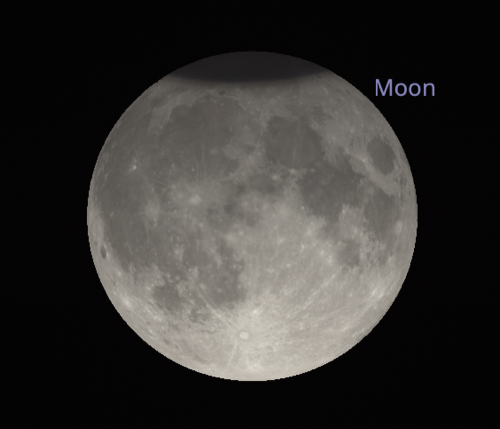
On the night of the 17th for about an hour (between 10PM and 11PM) there will a partial lunar eclipse. As you can see this is a very “partial” eclipse as only a small piece of the Moon’s limb is in shadow. It’s also a “super” Moon (which just means it’s close to perigee - or closest to the Earth - despite the “hype-y” adjective. total lunar eclipse happens next September in the early morning hours.
The Other Outer Planets Return!
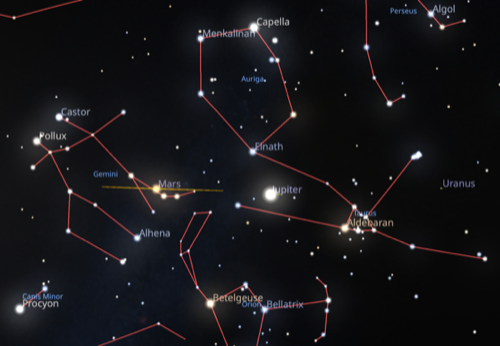
Saturn and Neptune are now early evening objects. the night, Uranus, Jupiter, and Mars finally make an appearance. All three are in Taurus. The orange lines show the path of each over the course of the month. Uranus is somewhat easy to find in binoculars, just west and slightly south of the two 6th magnitude stars 13 and 14 Tauri.
Mercury in the Morning
Mercury is a morning object at the beginning of the month, and is only 0.5° from the star Regulus on the 9th viewable about 1/2 hour before sunrise.
This Month’s Image
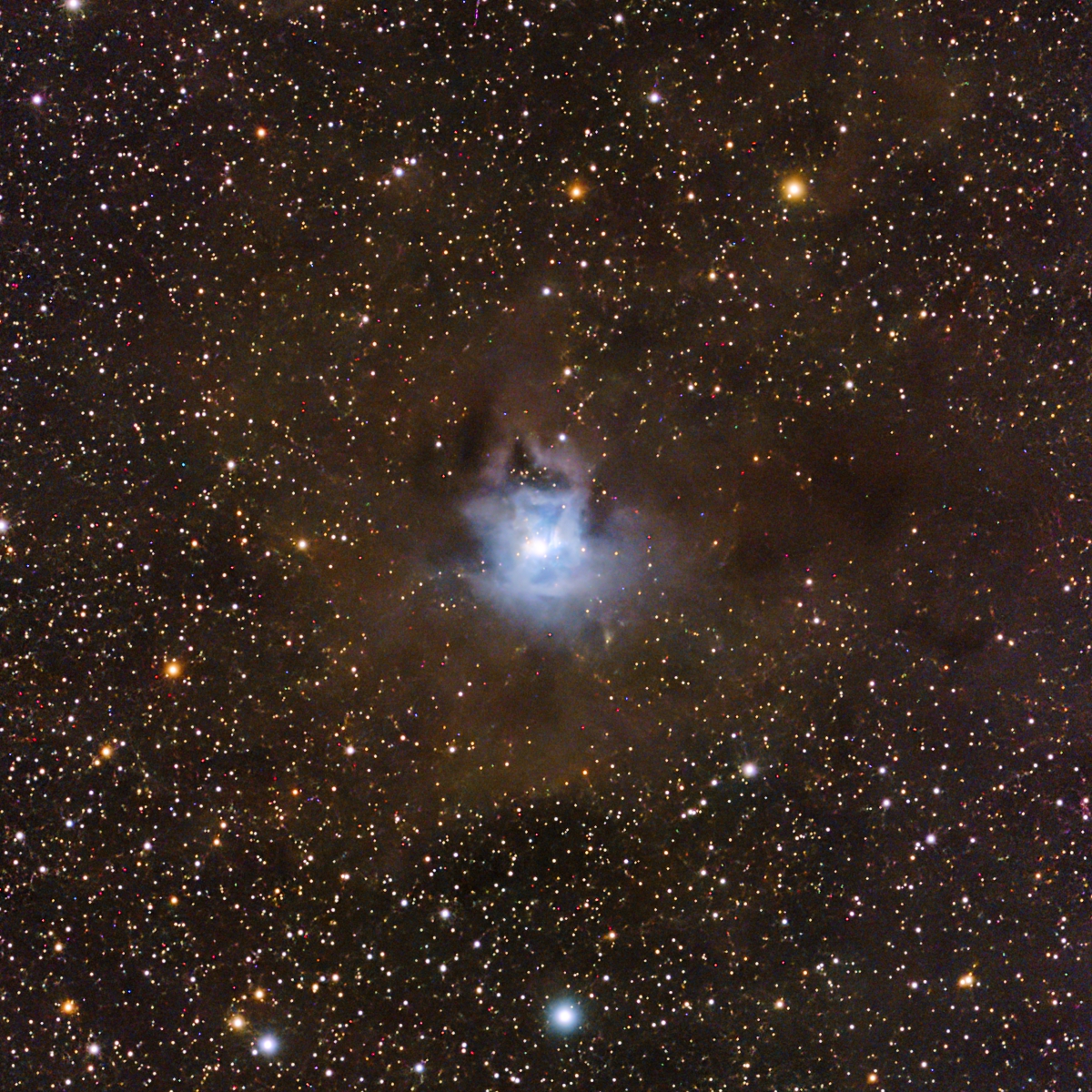
The Iris Nebula (C 4, NGC 7023) in Cepheus is a bright reflection nebula about 3 light years across, with incredible structure and dramatic variation in illumination, with dusty clouds surrounding a hot very young star.