Late-Night Meteors
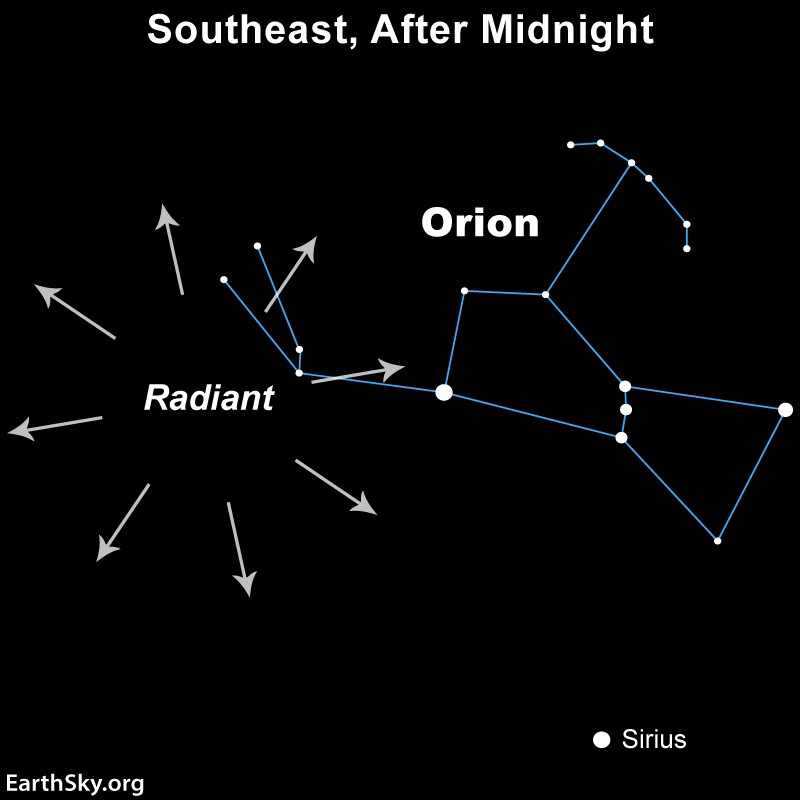
Late October is the first of the main Fall meteor showers - the Orionids. Though the waning Gibbous Moon will plague dark skies, this shower - associated with Halley’s Comet - is somewhat variable both in the numbers seen and even when peak activity happens: normally on the 21st-22nd but can be as late as the 28th but sporadic meteors can happen all month and into early November.
Twilight Challenge!
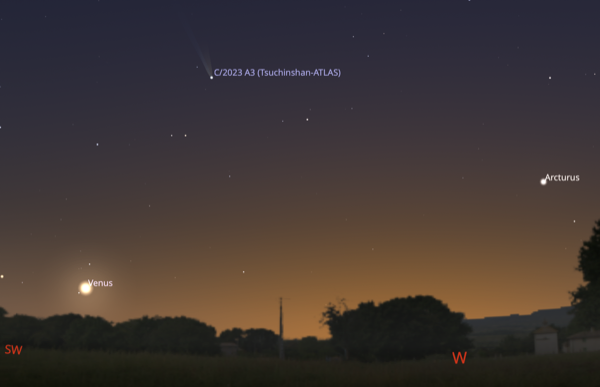
Near the end of October - just after sunset (before 7PM) - you might be able to glimpse Venus low on the horizon and maybe this year’s possibly naked-eye comet C/2023 A1 low on the W- SW horizon!
Binocular Fall Tour
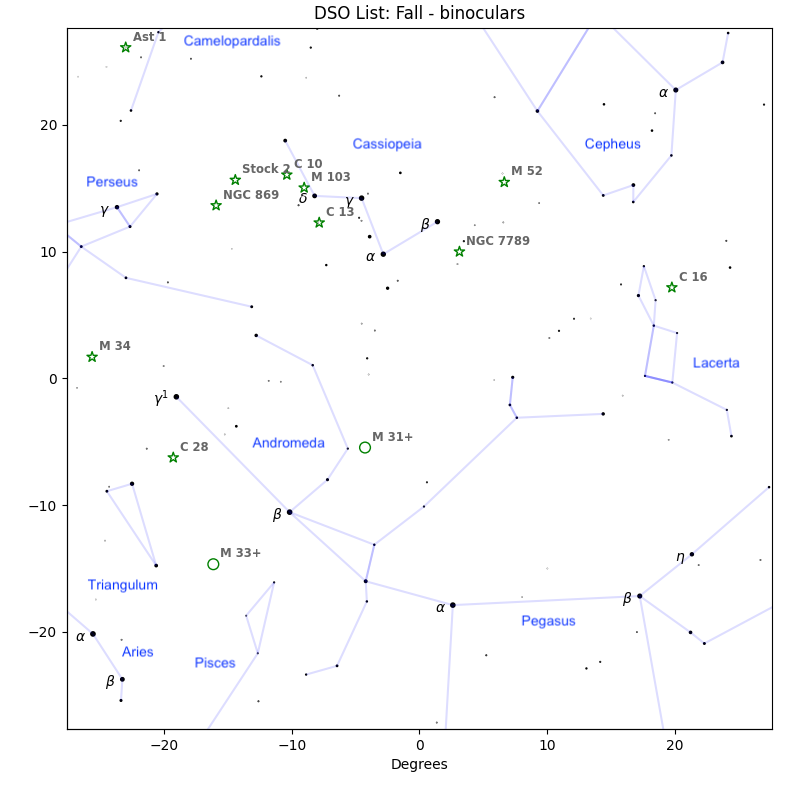
Here’s a challenge for finding several open clusters (and a couple of galaxies) using binoculars. Most of these should stand out under moon-less dark skies.
Starting in Cassiopeia, just scanning around the “W” you encounter dozens of clusters:
- the very rich NGC 7789 and M 52;
- M 103 and C 13 (NGC 457) are particularly colorful;
- Caldwell objects 10 (NGC 663), 13 (NGC 457), 16 (NGC 7243) and 28 (NGC 752) are large and open, as is M 34.
- Stock 2 is very large and bright.
- NGC 869 and NGC 884 are the Perseus “Double Cluster” - always a favorite.
Finally, the two star galaxies of the Fall: the slightly challenging Triangulum (M 33, due to its low surface brightness), and of course Andromeda (M 31; the two satellite galaxies M 32 and M 110 should also be visible).
There are many others, especially along the Milky Way stretching across Cepheus and Cassiopeia, and into Perseus.
This Month’s Image
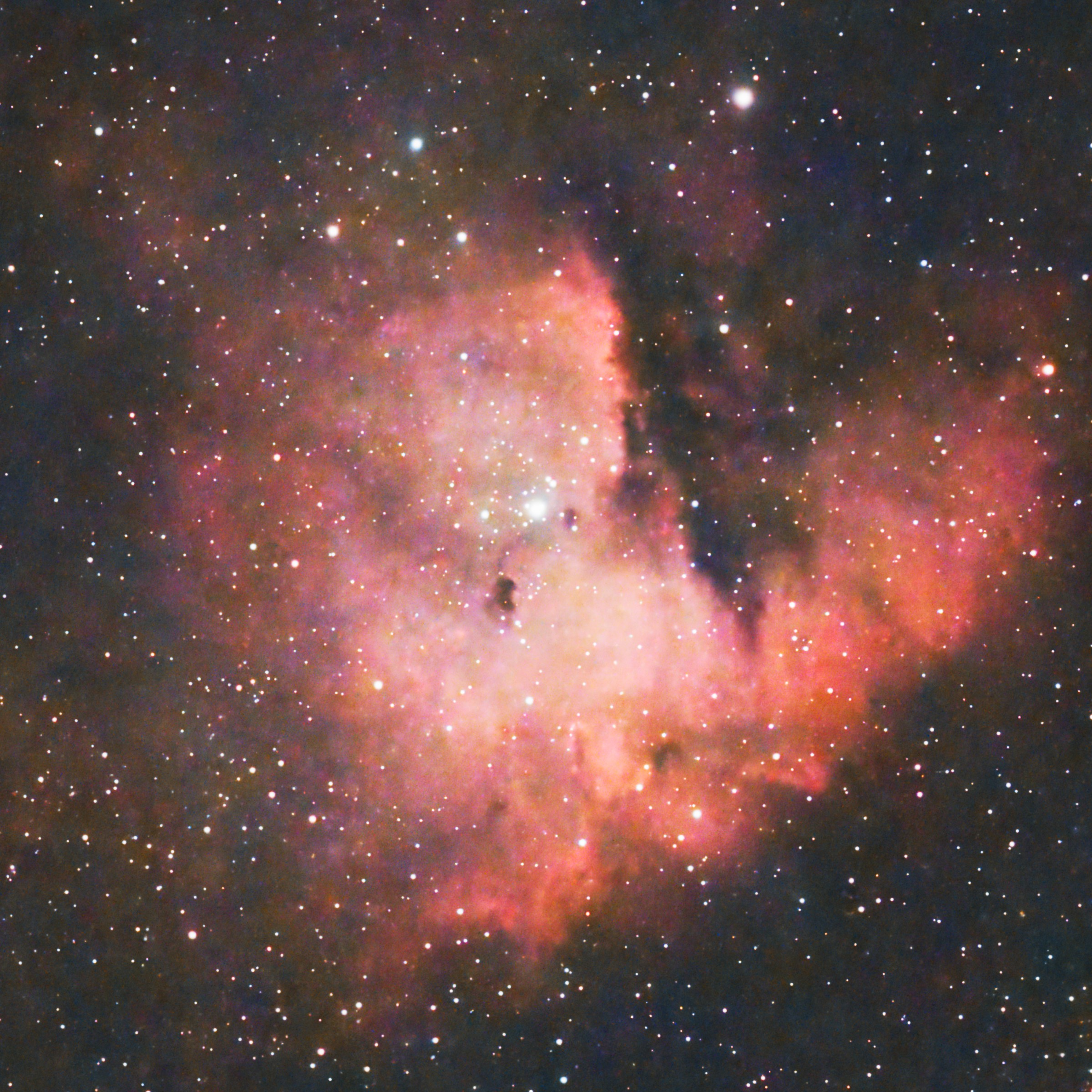
The Pacman Nebula (NGC 281) in Cassiopeia is 9.2 kly away in the Perseus Spiral Arm (outer to the Sun), surrounding an open cluster with a dark wedge. Other small dark blotches are Bob globules of dense dust and gas that might be “star-forming cocoons”.