
The Lynx
Introduced in the late 17th century, This zig-zag of mostly faint stars, is bordered by the western end of Ursa Major and stretches from Camelopardalis in the north, touching Auriga, Gemini, Cancer and Leo. Being away from the Milky Way, most of the deep-sky objects are galaxies, with a few other types of objects scattered within.
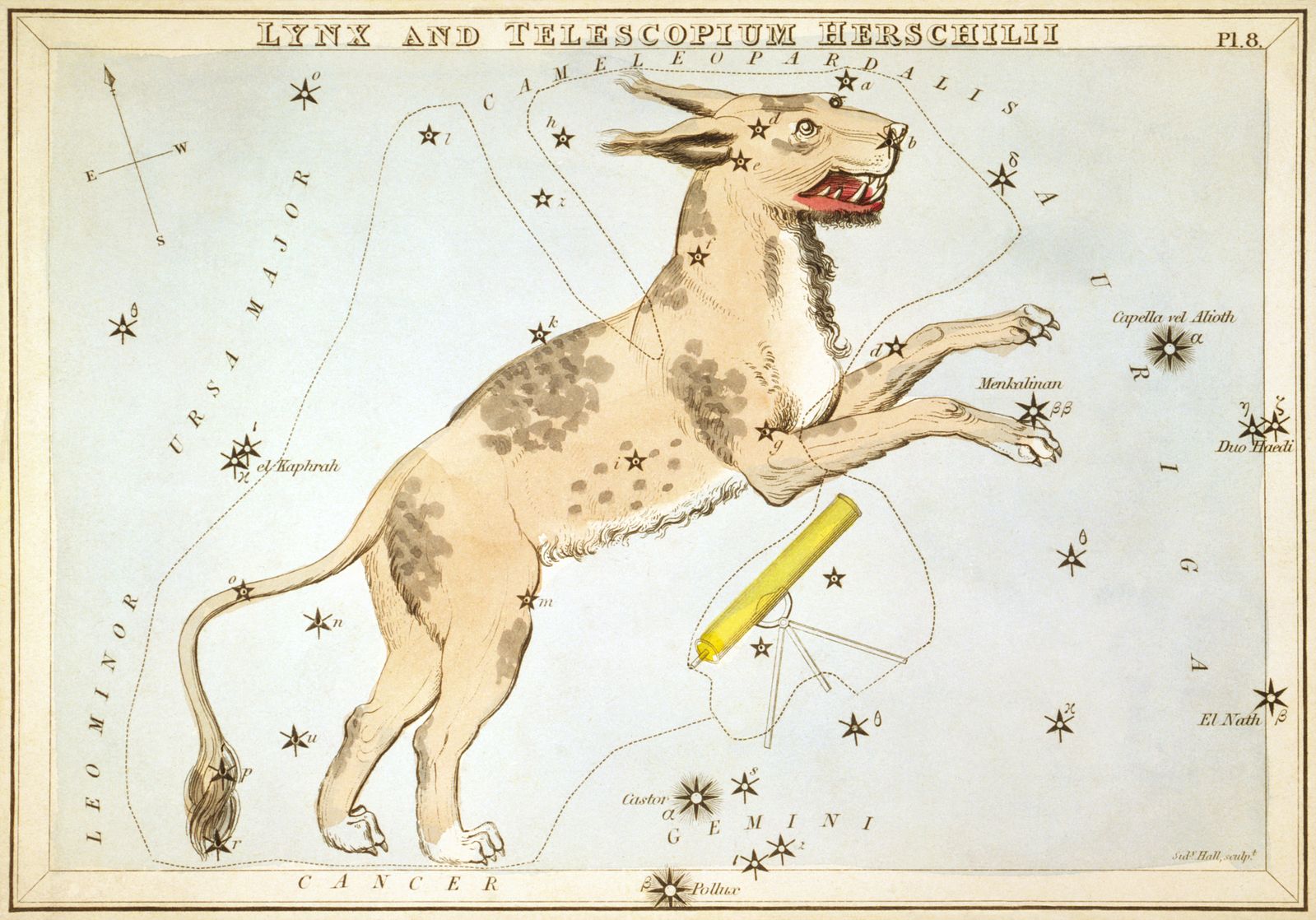
Even more obscure - a part of this largely unremarkable swath of sky, bordering on Gemini was itself another failed constellation Telescopium Herschelii - Herschel’s Telescope. This was proposed by Maximillian Hell in 1789 to honor Herschel’s discovery of the planet Uranus. Its popularity was lukewarm (it appeared on a few star charts up to the 1890s, but was largely ignored), and was likewise removed from the IAU’s official list in 1930.
Map of Lynx
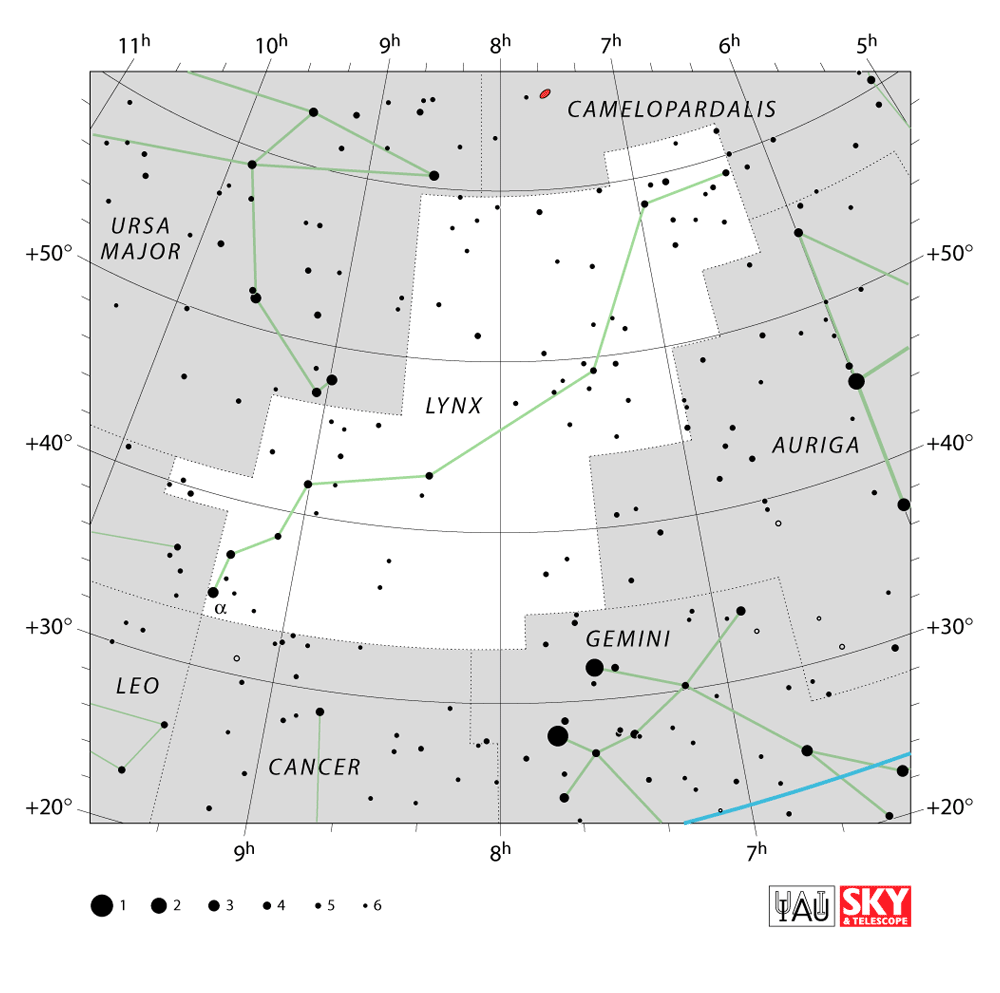
Lynx has few notable stars: only one has a Greek-letter designation (alpha at its southern end), and only one with an official name: 31 Lyncis = “Alsciaukat” (mag 4.2). The 3rd brighter star (mag 4.0) is actually 10 Ursae Majoris - one of the uncommon situations where a star associated in one constellation “ended up” in a neighboring constellation when the boundaries were officially drawn up, though Lynx has a number of occurrences, where it “lost” 4 stars (37, 39, 41, and 44) to Ursa Major, and “picked up” 16 Lyncis which was formerly ψ10 Aurigae.
Quick Reference: Objects of Interest
| Object | Type | Equipment |
|---|---|---|
| Caldwell 25 (NGC 2419) | Globular Cluster | Small Telescope |
| NGC 2683 | Spiral Galaxy | Small/Medium Telescope |
| NGC 2537 | Barred Spiral Galaxy | Medium Telescope |
| NGC 2552 | Intermediate Spiral Galaxy | Medium/Imaging Telescope |
| PuWe 1 | Planetary Nebula | Imaging Telescope |
| JE 1 | Planetary Nebula | Medium/Imaging Telescope |
Former “Intergalactic Wanderer”
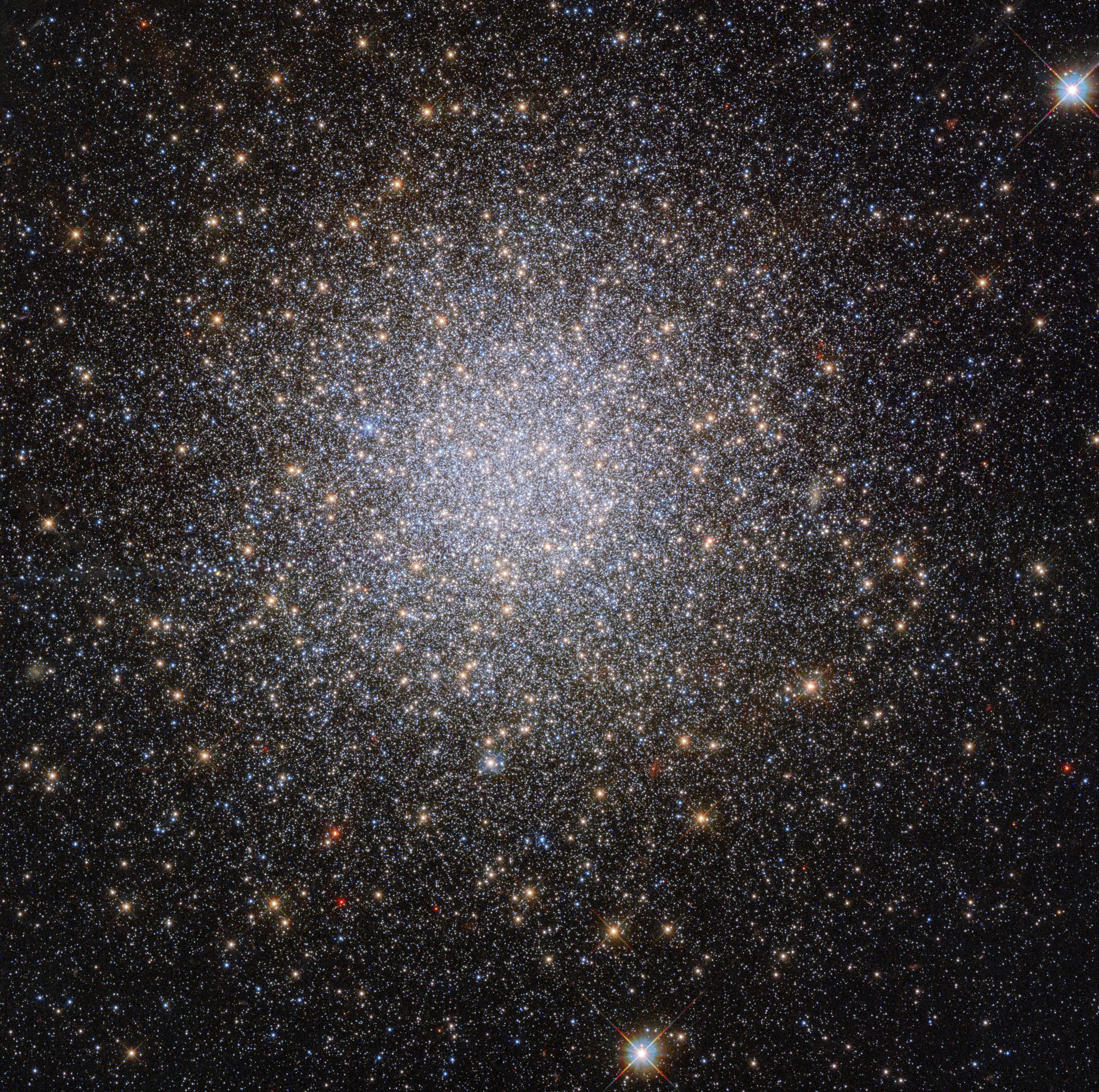
One of the most remote globular clusters (300 kly - it’s further than the LMC and SMC) - it was long thought to not be orbiting our Galaxy, due to its remoteness, but it’s now suspected to possibly be a captured cluster from the Sagittarius Dwarf Spheroidal Galaxy (though this is disputed), that merged ~5 Gyr ago (Messier 54 has a similar history). Even more mysterious, other models suggest that it might have originated in yet-another dwarf galaxy involved a prior merger (with Sgr dSph) ~1 Gyr earlier. Even so, one orbit around the Galactic center takes 3 Gyr to complete! It’s somewhat faint but findable on dark nights.
UFO Galaxy
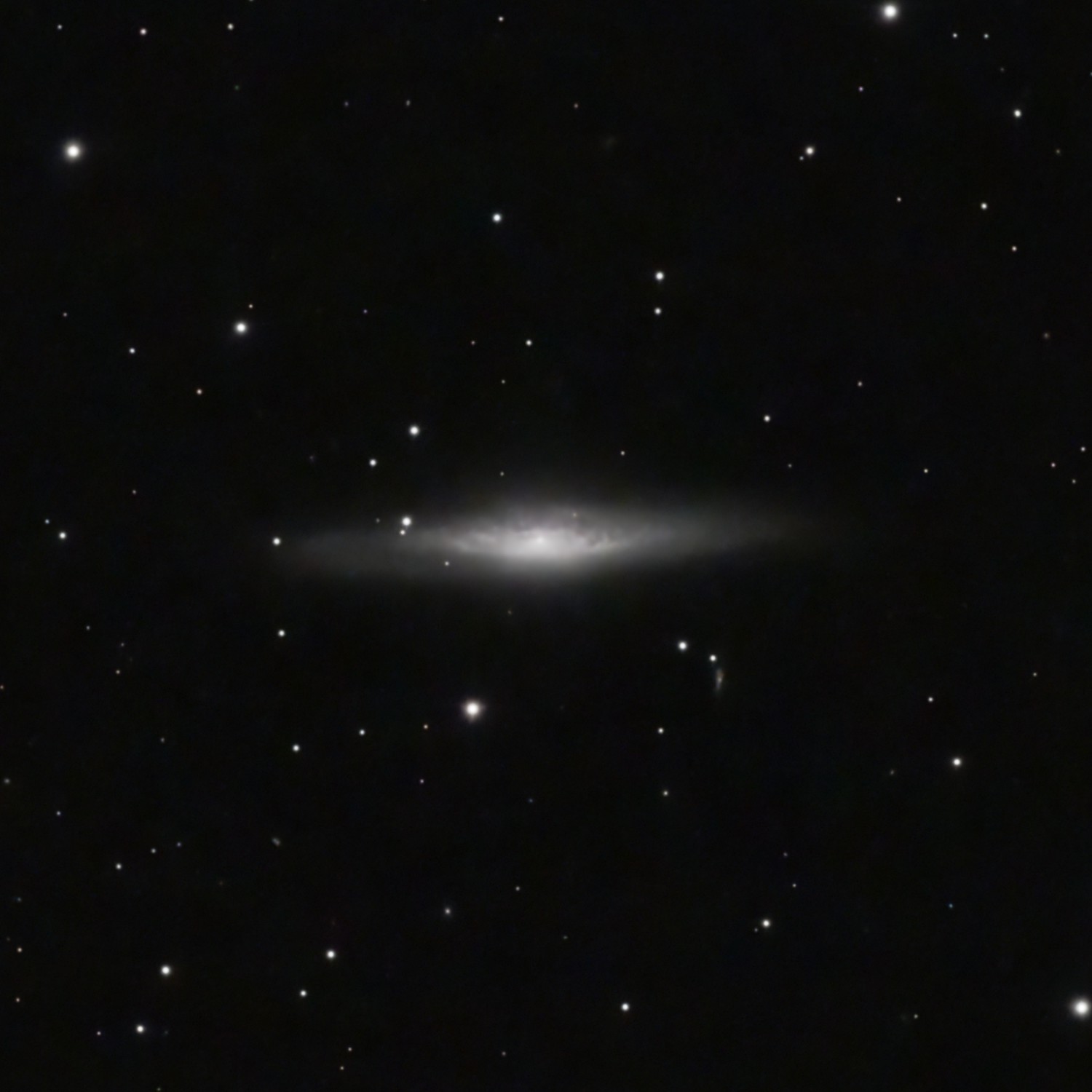
30 Mly away - this nearly edge-on spiral has extended dust superimposed on the spiral arms, giving it a more yellow-ish color than most galaxies (similar to Messier 63). Overall, it’s smaller than our galaxy, but has almost double our number of globular clusters (over 300 ).
The Bear Paw
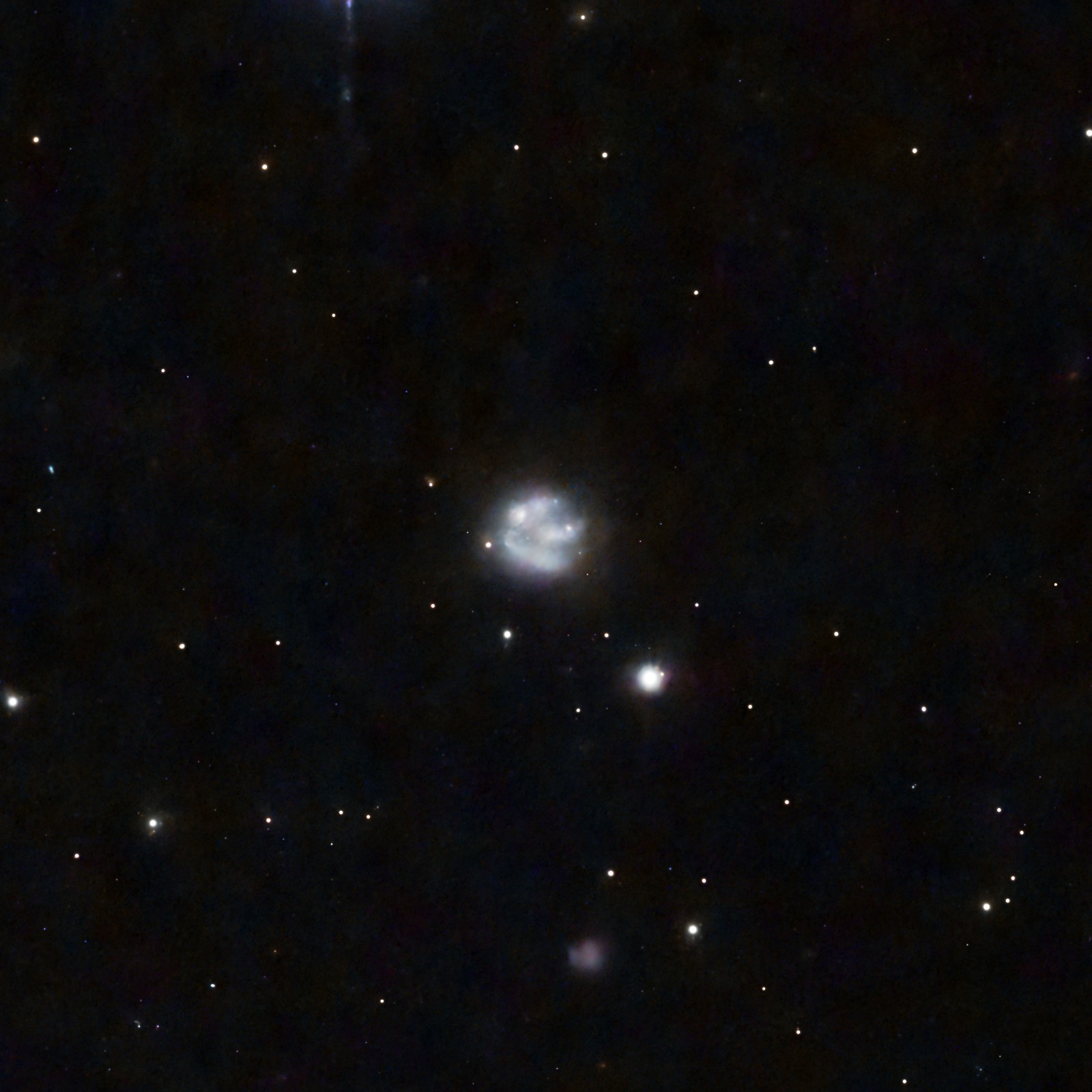
Situated close to the border with Ursa Major, this distorted galaxy is a “blue compact dwarf” galaxy - containing large clusters of young hot massive stars - leading to its color. It’s about 23 Myr away.
Galactic Bat Signal?
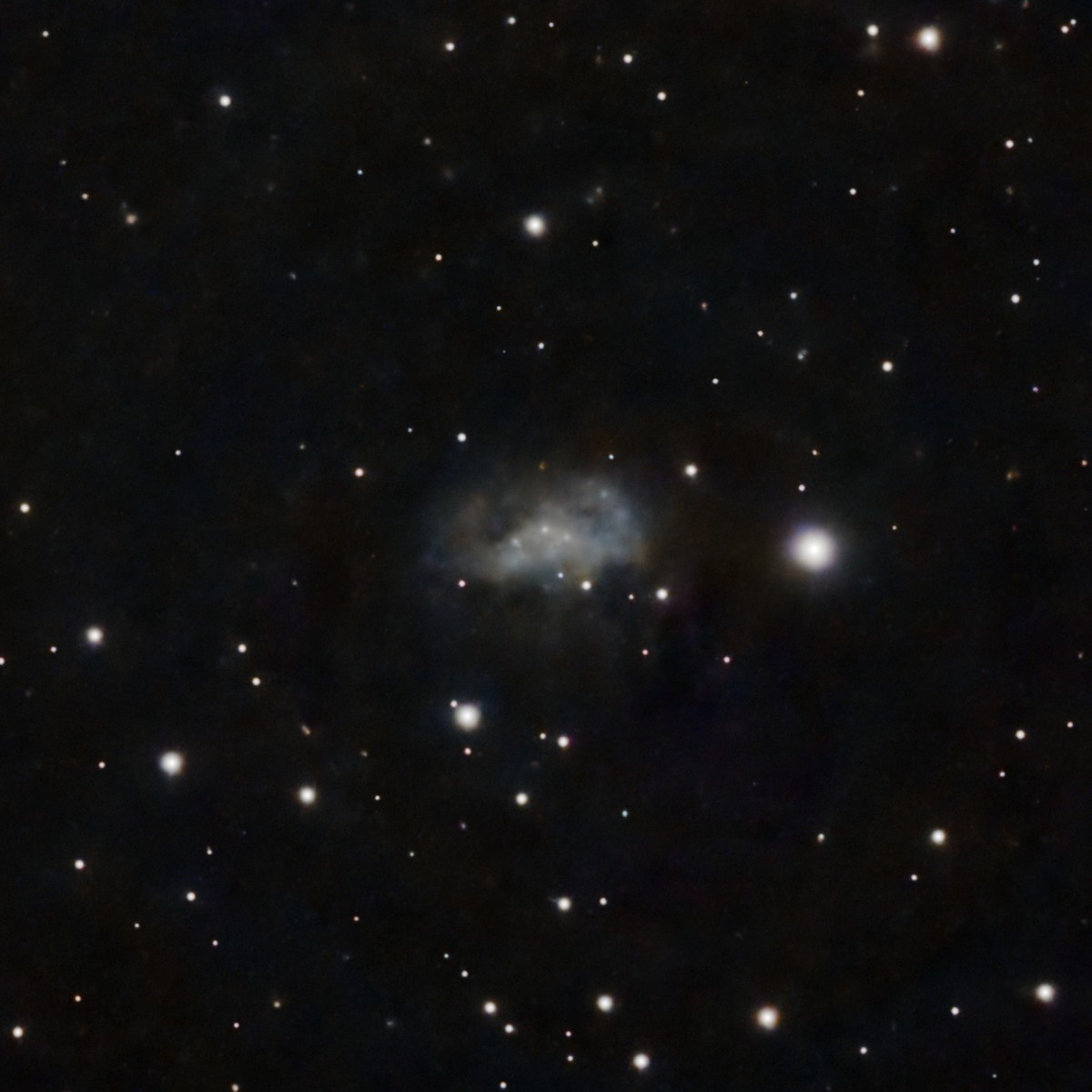
Another peculiarly-shaped galaxy is NGC 2552 (32 Mly away), an Magellanic spiral galaxy but with only one spiral arm (class. SA(s)m - the “m” is for Magellanic, older classifications would use “irregular”). Its shape is somewhat “crab”-like, though there are several other more-famous “crabs” in the sky, so maybe this should get the name “The Bat Signal” galaxy!
Purgathofer-Weinberger 1
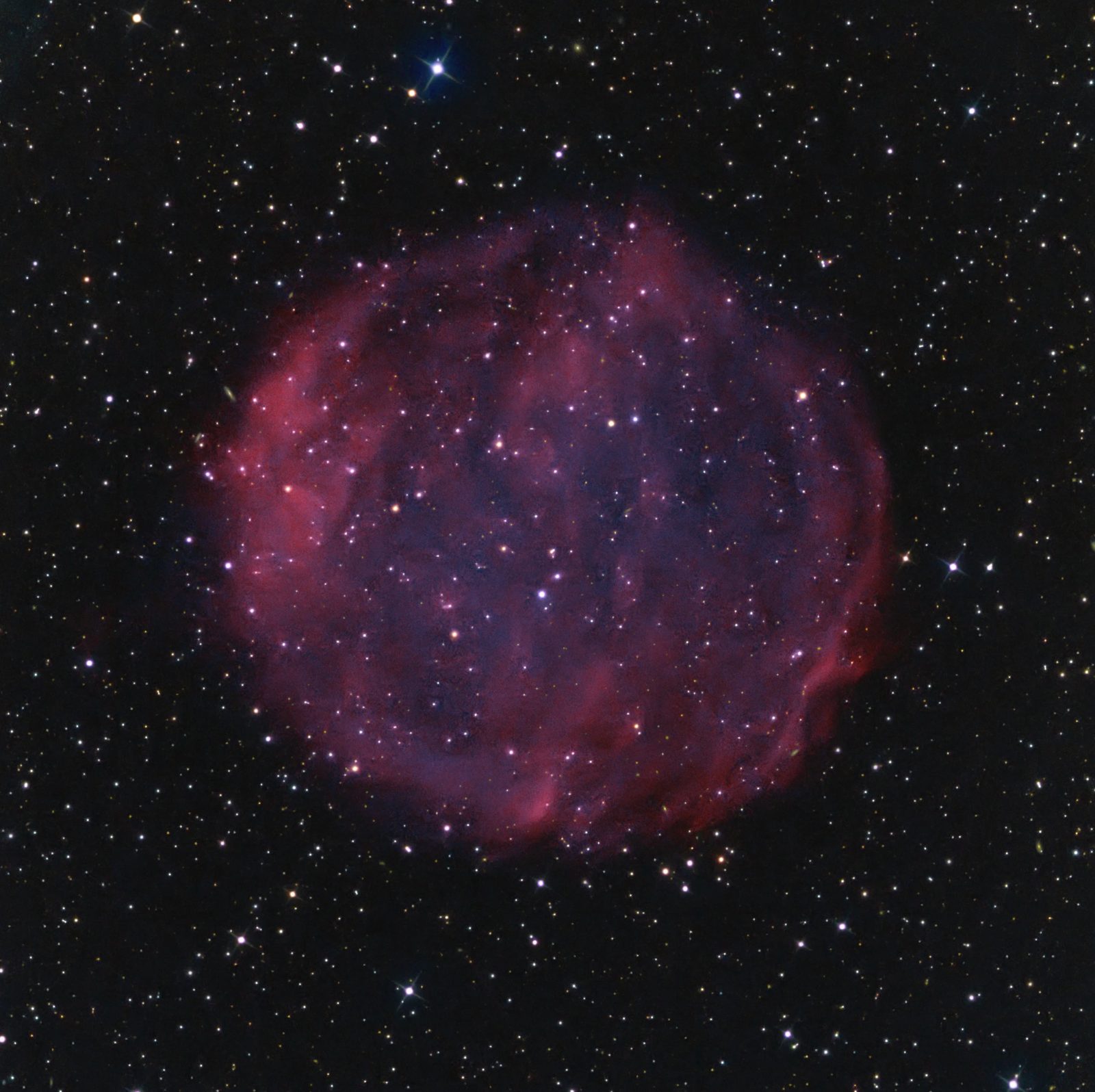
This is one of the faintest PNs known to exist. And compared to most PNs it’s very large (20’ - about 1/2 the size of the Moon) and so its surface brightness is very low. It wasn’t discovered until 1980 from the Palomar Sky plates. It’s about 4 ly across - so extended far beyond the size of our Solar System. Detecting this typically takes a few hours of narrow- band (Ha+O III) imaging.
Galactic Headphones
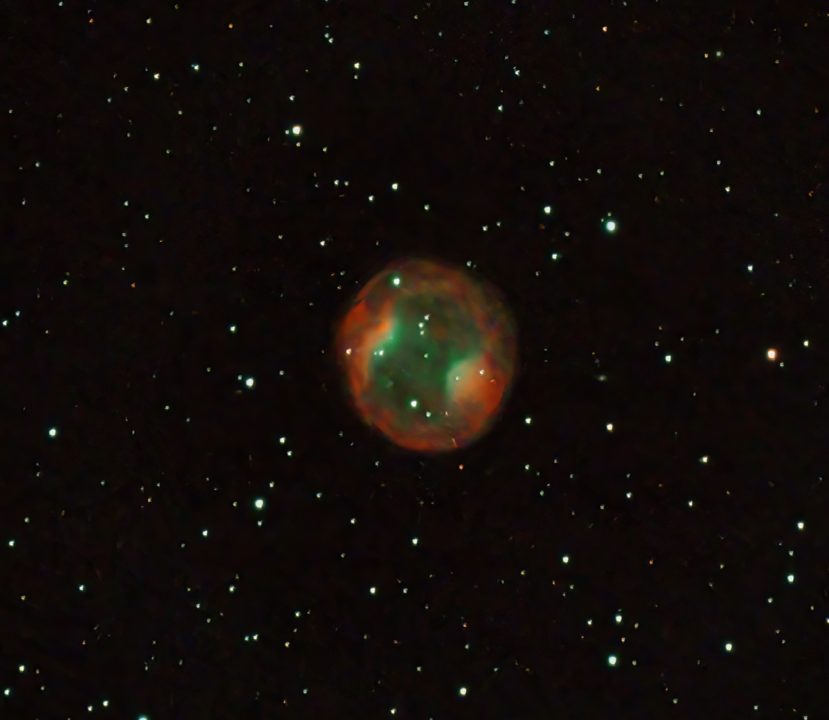
Another faint (though more doable) challenge — is Jones-Emberson 1 (PK 164+31.1) — also a faint planetary nebula over 3000 ly away, and about as large as Messier 27 on the sky (6.3’).
With coloring similar to the Ring Nebula, it has two prominent “lobes” that give the appearance of a set of headphones, hence the name. The central 17th magnitude star is a very blue white dwarf.