Early Fall Has it All!
The Summer Milky Way setting in the West but the Fall skies have a wide variety of deep-sky objects:
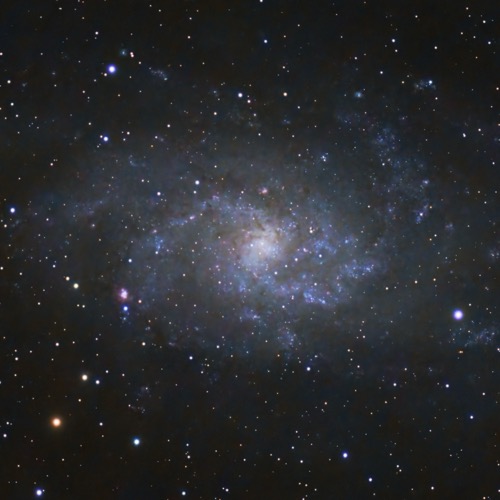
Galaxies!: Of course M 31 and M 33 are the most-popular, but the constellations in the S and SE are full of galaxies of all types.
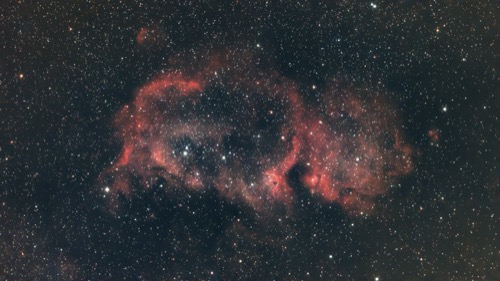
Nebulae: Somewhat dimmer than the popular nebulae of the Summer, but there are several in the Fall Milky Way crossing Cepheus, Cassiopeia, and Perseus
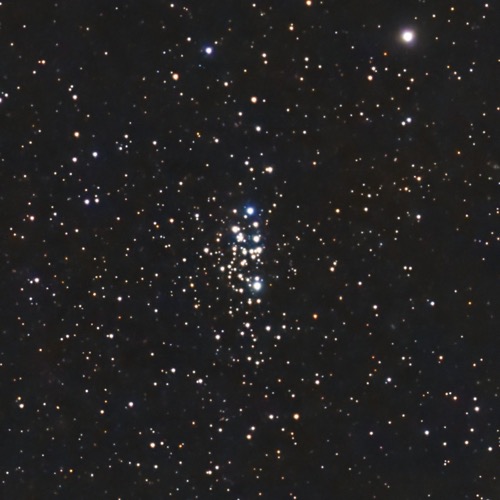
Open Clusters: Over two dozen bright clusters along the Milky Way stretching from Deneb over to the Double Cluster (in Per).
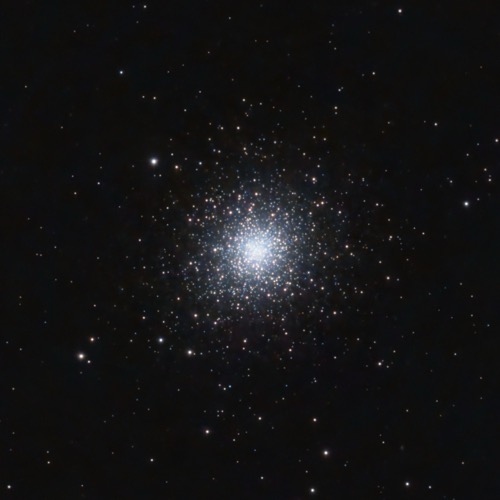
Globular Clusters: Try for M 30 in Capricornus, M 2 and M 72 in Aquarius, and the bright (and easy to find) M 15 in Pegasus!
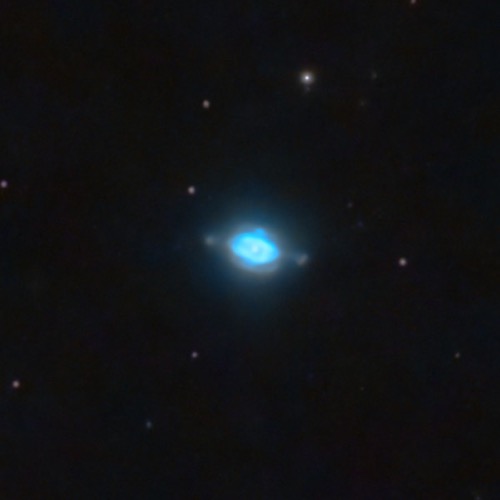
Planetary Nebulae: The Helix Nebula (in Aquarius) is somewhat challenging (since it’s far south, though large and dim); meanwhile the Saturn Nebula (also in Aqr) and “Blue Snowball” in Andromeda are small but bright!
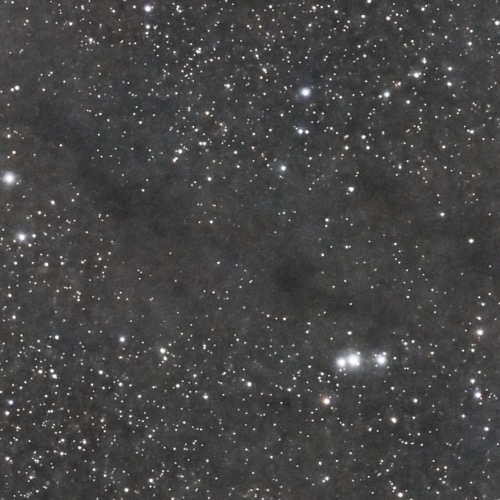
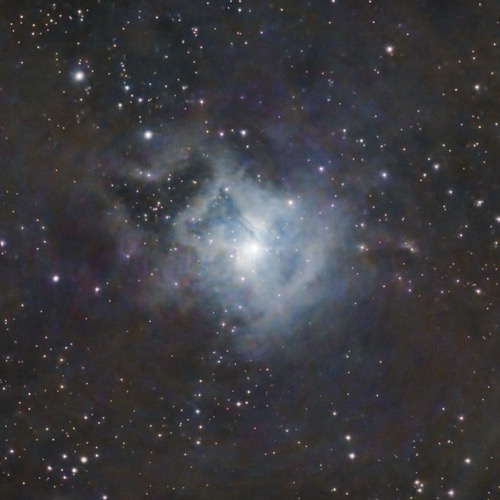
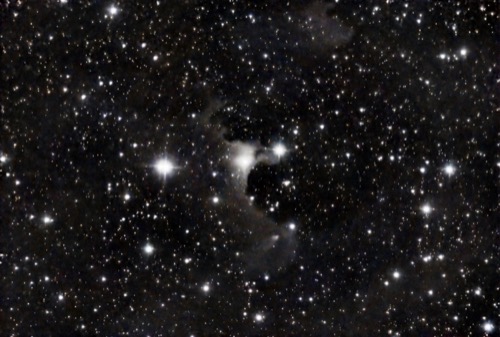
Fall DSO Sampler!
Excellent Conditions for the Orionids!
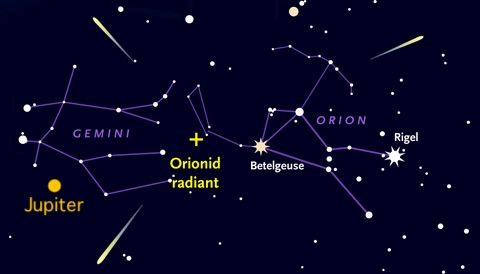
Visible throughout October, but particularly around the 21st, the Orionids feature fast, bright meteors with glowing trains. This year, that peak coincides with the New Moon, meaning dark skies throughout the night. The meteors (overall) radiate from the constellation of Orion (hence the name), specifically from the Orion’s club, or looking between bright red star Betelgeuse, and the stars Castor and Pollux in Gemini, and of course Jupiter will be just to the East.
A few meteors that you see might not actually be Orionids! Just starting up (and peaking in early November) are the Northern Taurids, and there’s also a minor shower — the Epsilon Geminids — taking place about the same time as the Orionids.
Two Dwarf Planets at Opposition
Last month, we had Saturn and Neptune at opposition. This month, it’s bright Ceres (as it’s in the main asteroid belt) on the 2nd and extremely faint Eris on the 18th.
This year’s opposition of Ceres isn’t particular favorable: at magnitude 7.8 it’s a slight challenge for binoculars but it can be done. Eris, on the other hand, really requires an imaging telescope and a very long exposure (probably a few hours) to reach down to its faint magnitude of 18.7.
This Month’s Image
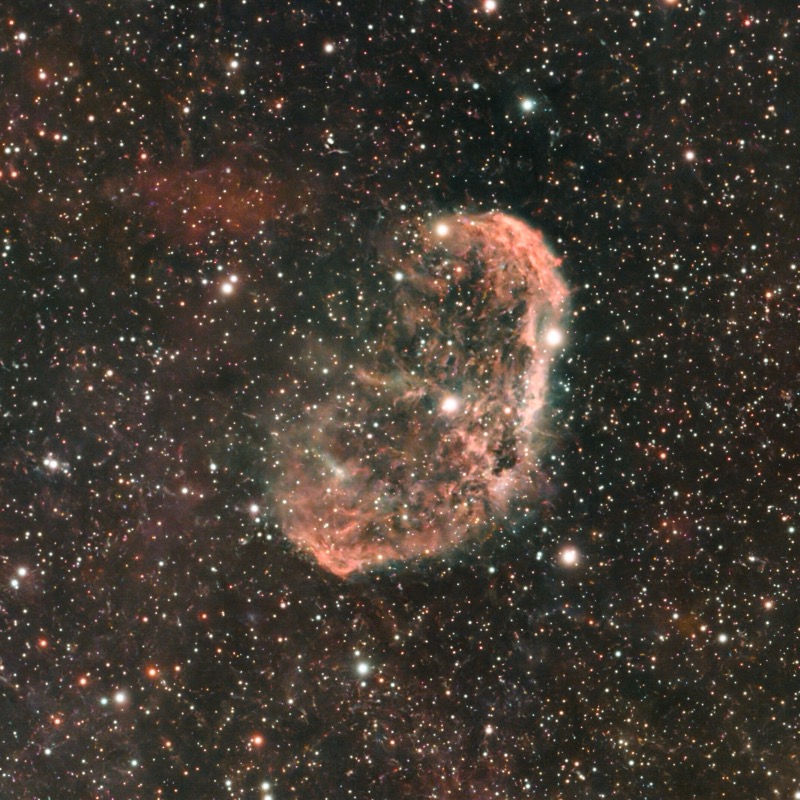
Caldwell 27 (NGC 6888) is 5 kly away in Cygnus, discovered by Herschel in 1792. The star at the center became a red giant ~0.3 Gyr ago ejecting its outer layers, but that shell is now being hit by a much more energetic and faster stellar wind, causing two shock waves (one outward, and one inward), exciting the material.