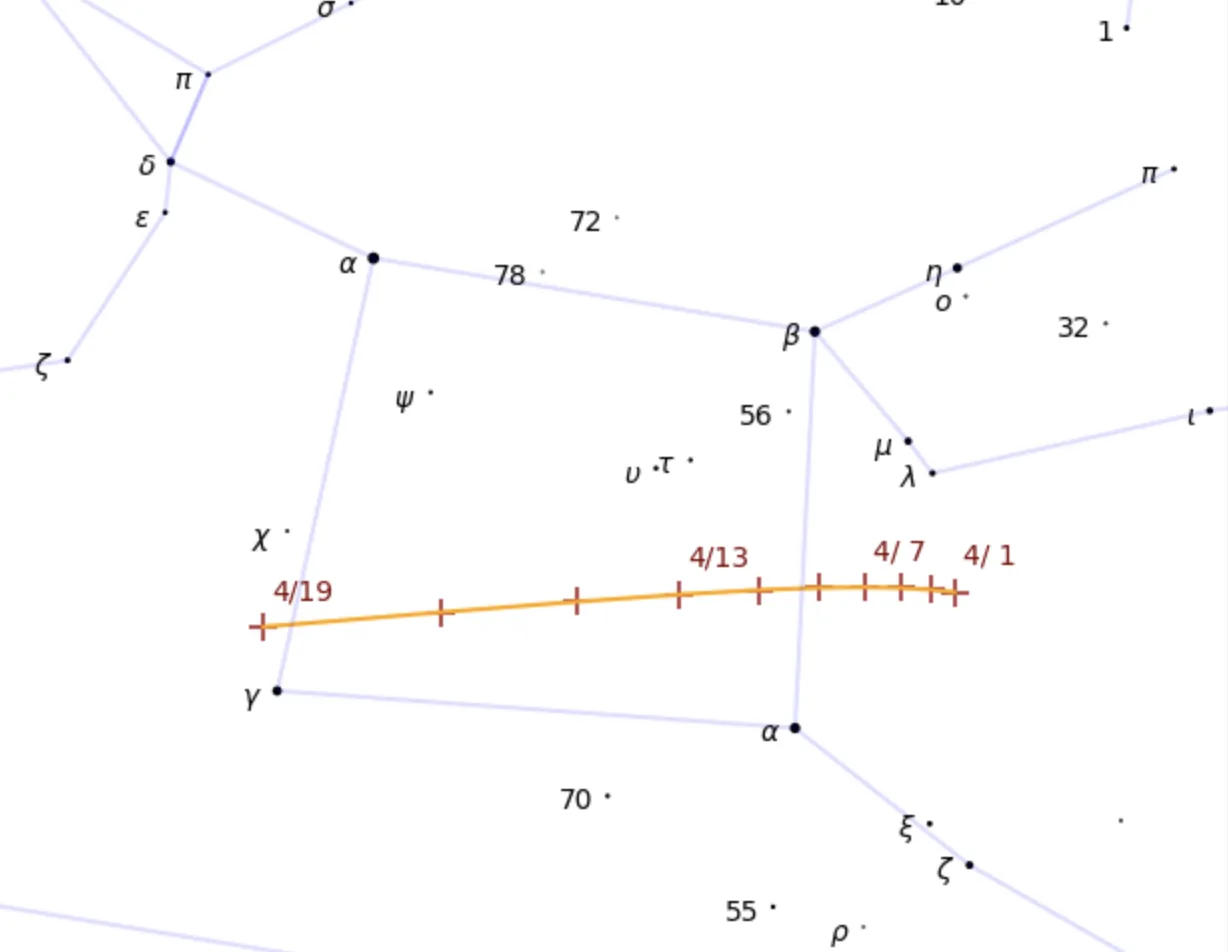
Comet C2025 R3 at Perihelion 4/19
Image "C2025R3-696.png" not found.
This comet starts out faint, but has the chance it might be visible in binoculars as it gets closer to perihelion on the 19th. It’s somewhat easy to find since it spend the first half of April crossing the Great Square of Pegasus.
It’s an early-morning comet in the N Hemisphere the figure above is the for 4 AM (EDT): twilight begins around 4:30 AM and sunrise is just after 6 AM, so you’ll have a narrow window to look for it!
Lyrid Meteor Shower
One of the best meteor showers of the Spring are the Lyrids which peak on the 22nd (the crescent Moon will be up at sunset, but will sets just after midnight), though you’ll see sporadic meteors over the second half of April. In the late evening, Lyra rises in the NE (easy to find from the 0th magnitude star Vega). These meteors are dust shed from the long-period comet C/1861 G1 Thatcher; observations of this shower go back to 687 BCE!
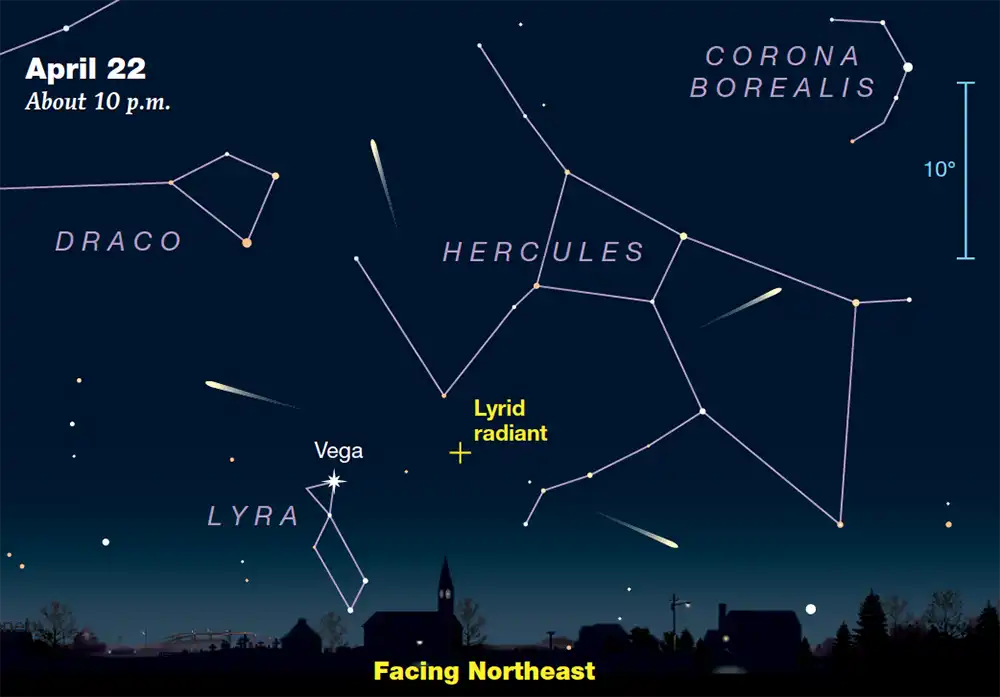
On average, you’ll see about 10/hour with an average magnitude or about 2 (so brighter than most of the stars in the area), though occasional fireballs can happen, bright enough to cast shadows, and leave trails lasting a couple of minutes (in dark skies).
Like the Leonids, there are periodic “good years” for this shower - about every 60 years, but we’re not due for one until c. 2042. Something to look forward to…
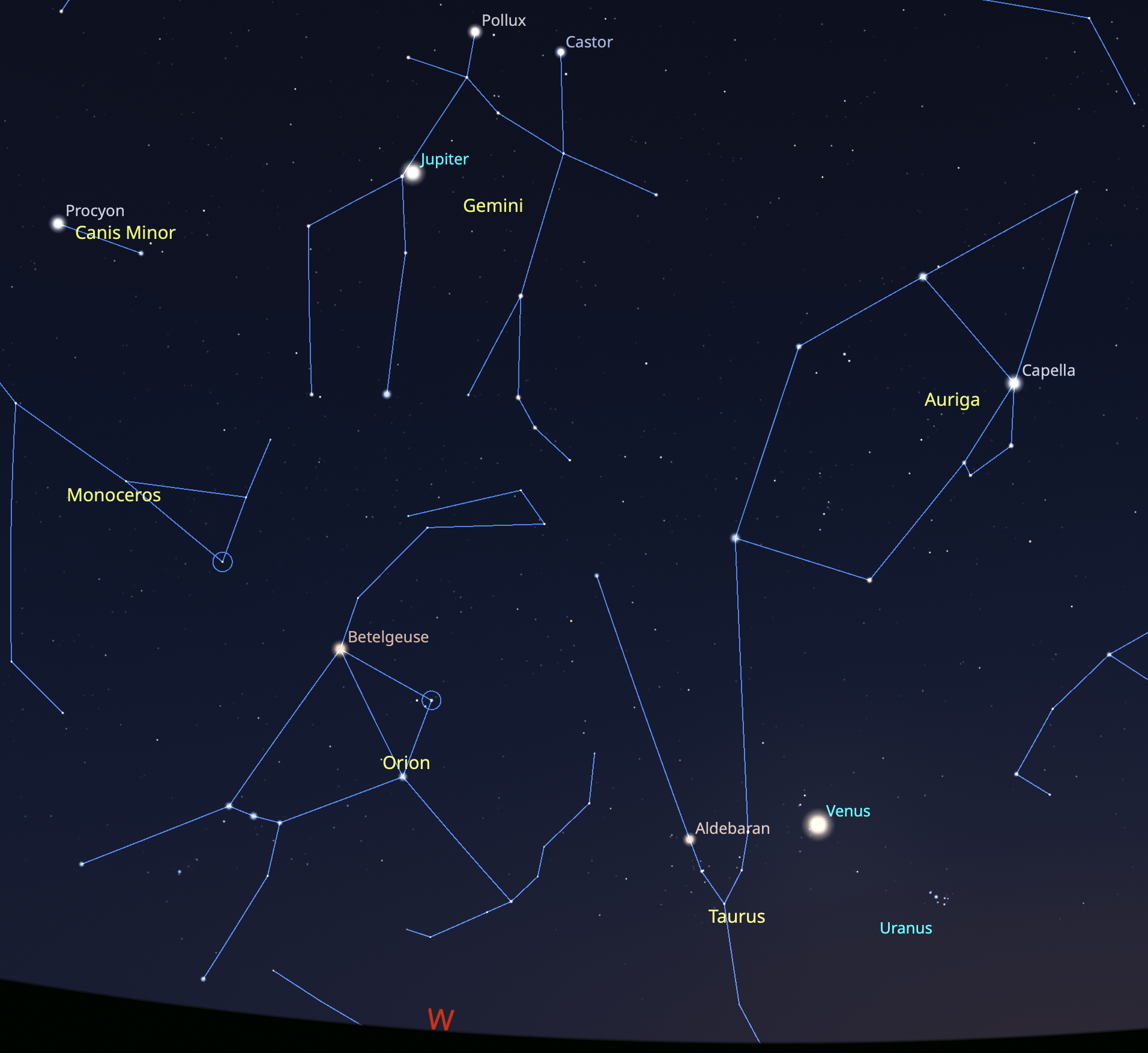
Venus is Back!
This Month’s Image
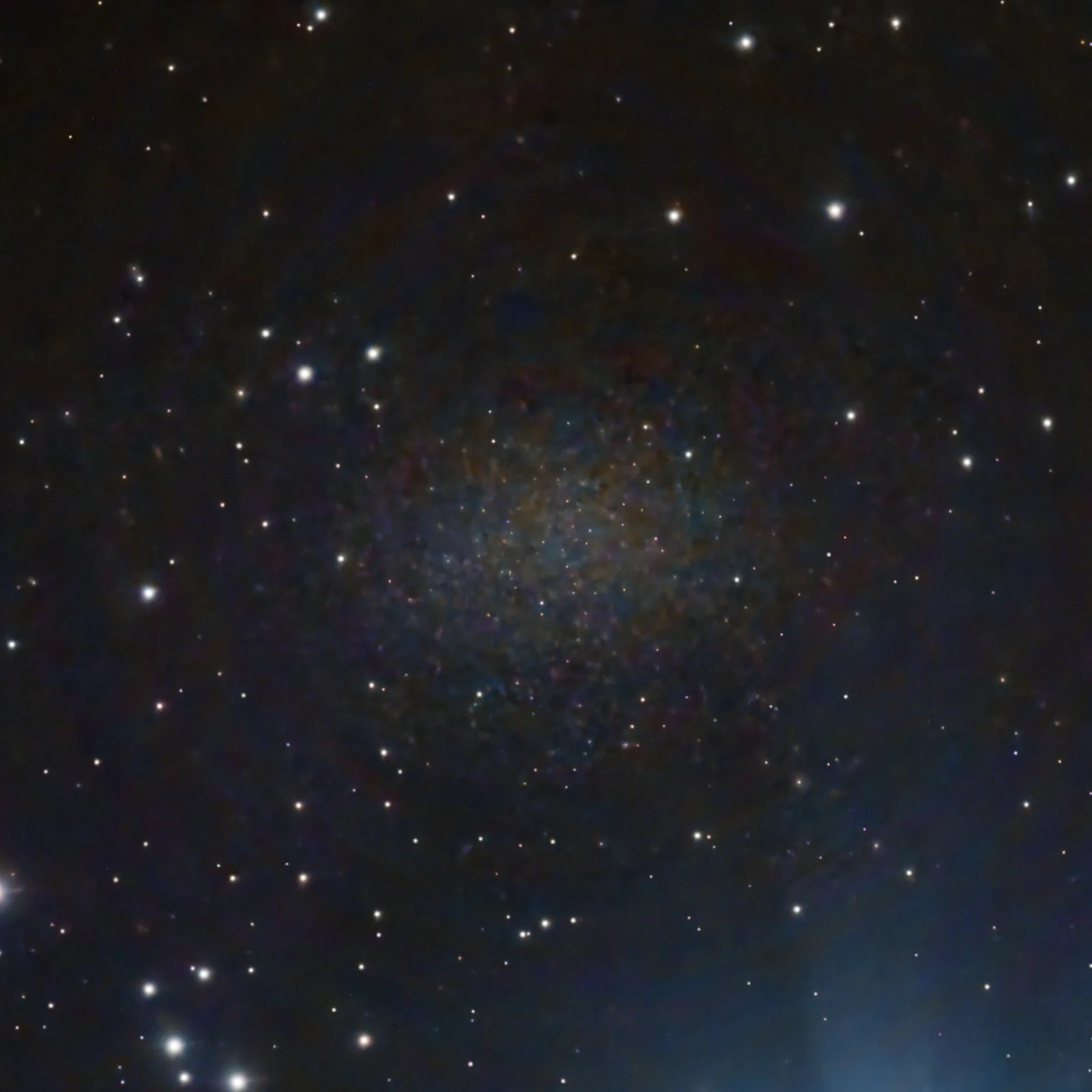
Sometimes just seeing anything on the image is the challenge! Here, that very dim misty “patch” is the elusive target of the Leo I Galaxy, so tenuous that it wasn’t even discovered until 1950! It’s a member of the Local Group, and at a distance of 780 kly (about 1/3rd of the way to Andromeda, though in the opposite direction) might be one of the most-distant satellites of our Galaxy. Aside from it being large and very dim, it’s also a challenge because it’s located only 12’ from the 1st magnitude star Regulus (whose glare can be seen in the lower-right of the image.
(Coming in June - Venus, Jupiter, and Mercury - just after sunset!)
🔭 Monthly Starmap
To help you navigate the night sky this month, we’ve provided a high-resolution starmap. The PNG is great for quick viewing, while the PDF is optimized for sharp home printing.
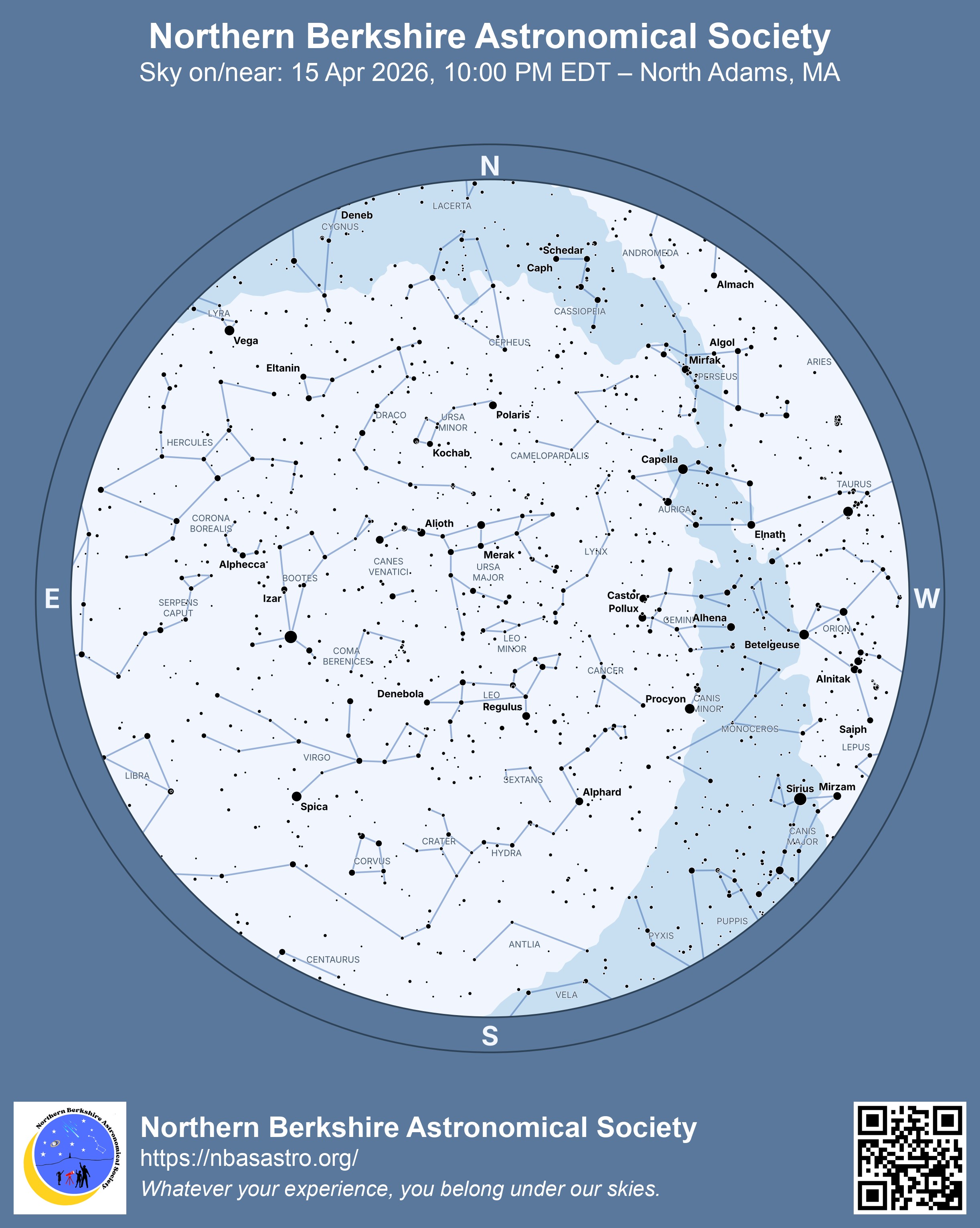
April 2026 Reference Starmap
Reference chart (no planets) — optimized for sharp home printing.
📥 Download Chart (Print Ready)