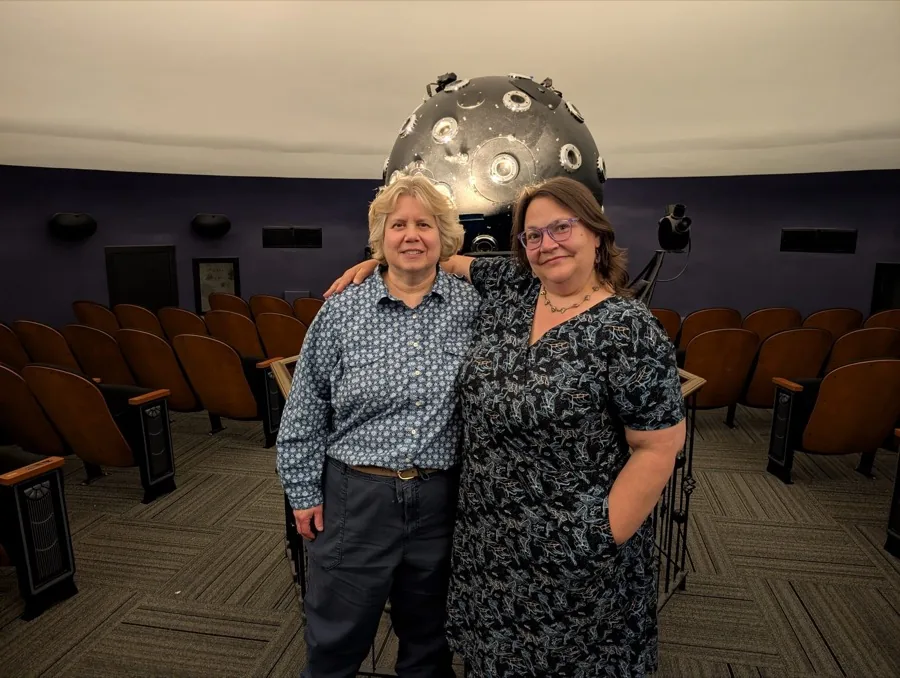
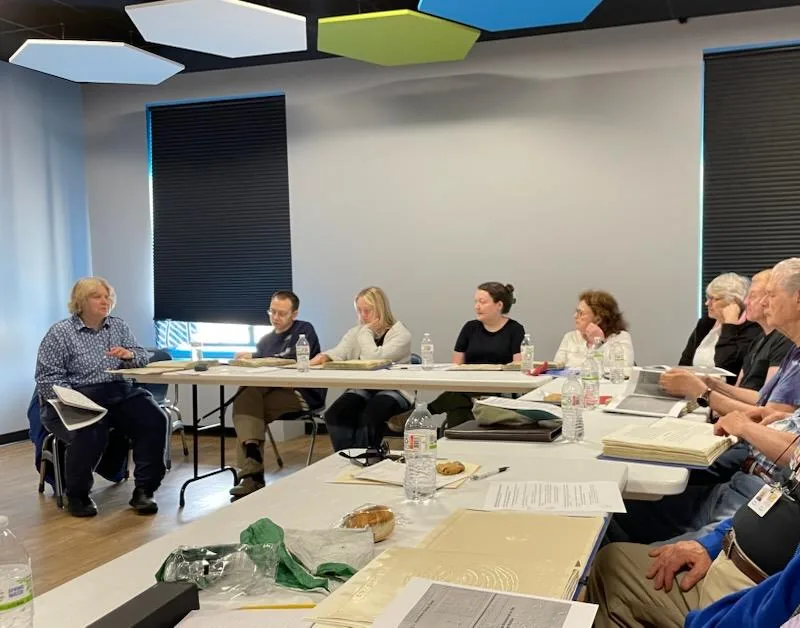
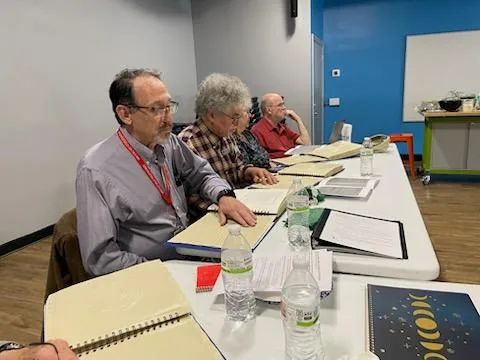
Last week I attended a workshop at the Springfield Science Museum on making astronomy accessible to visually impaired participants. I went partly out of genuine curiosity — it’s a topic I hadn’t thought much about — and partly as a representative of NBAS, because this kind of community networking is part of what we’re trying to do as a club.
I’m glad I went.
Touch the Stars
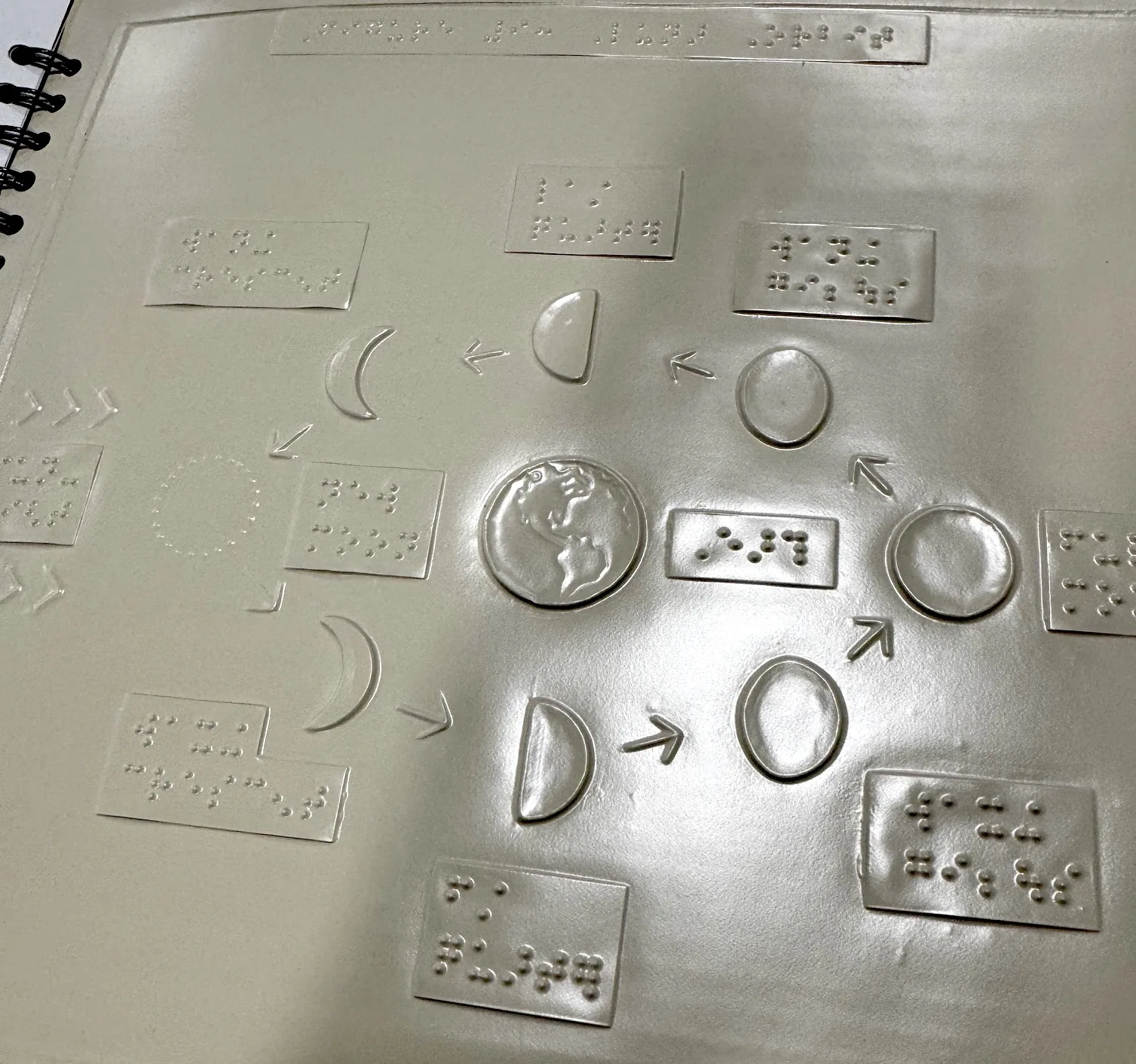
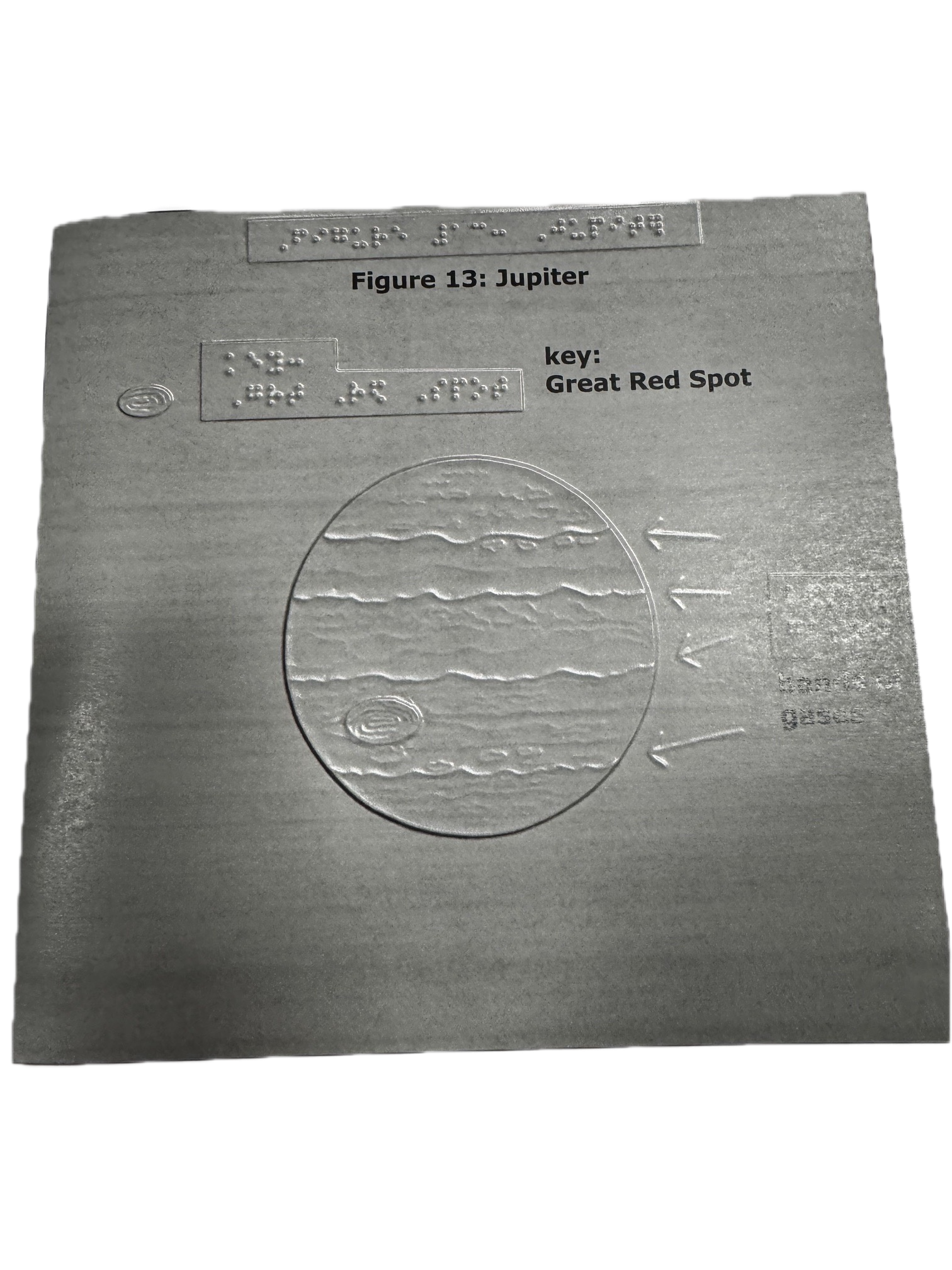
Examples of Raised Relief Diagrams in "Touch the Stars"
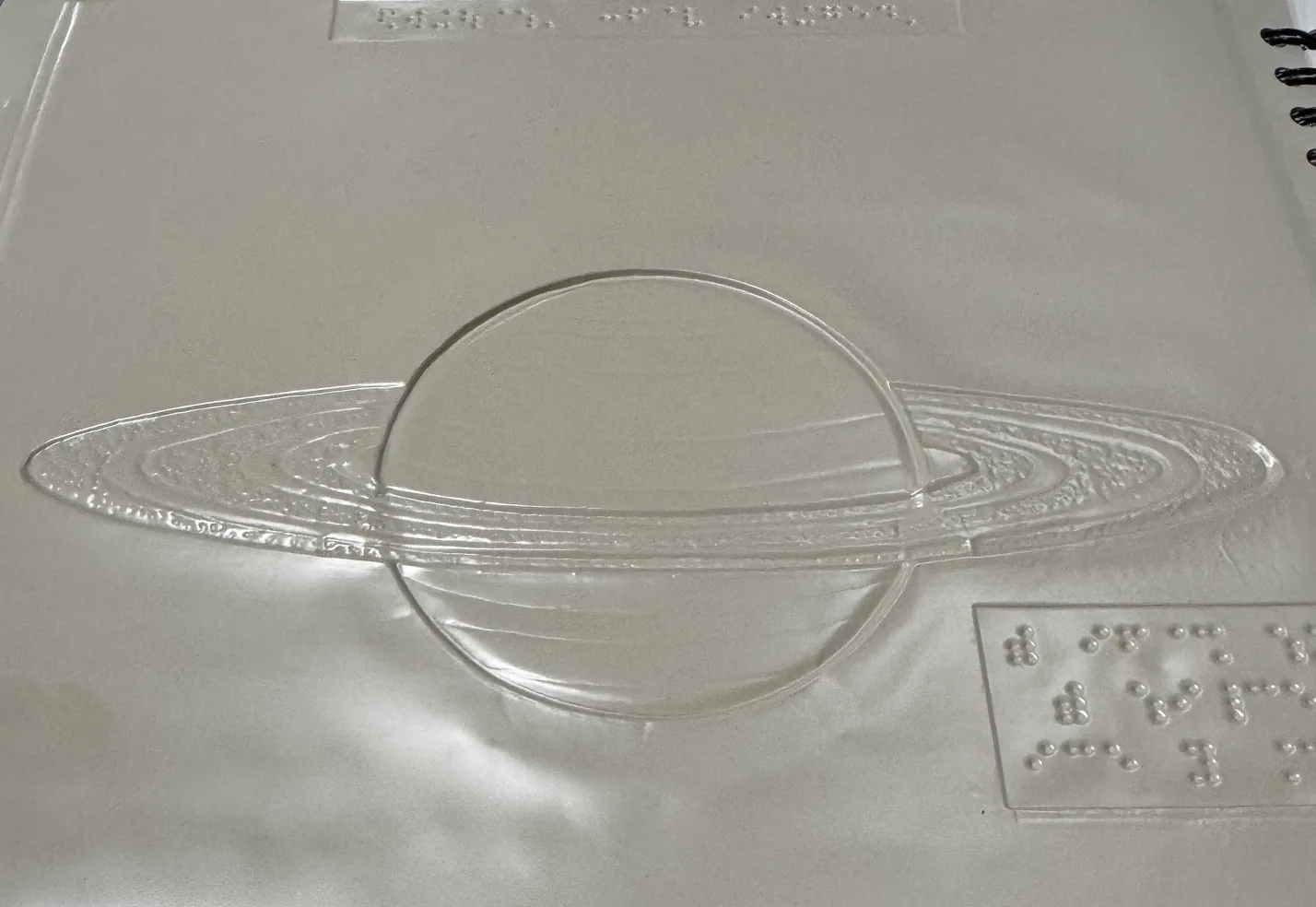
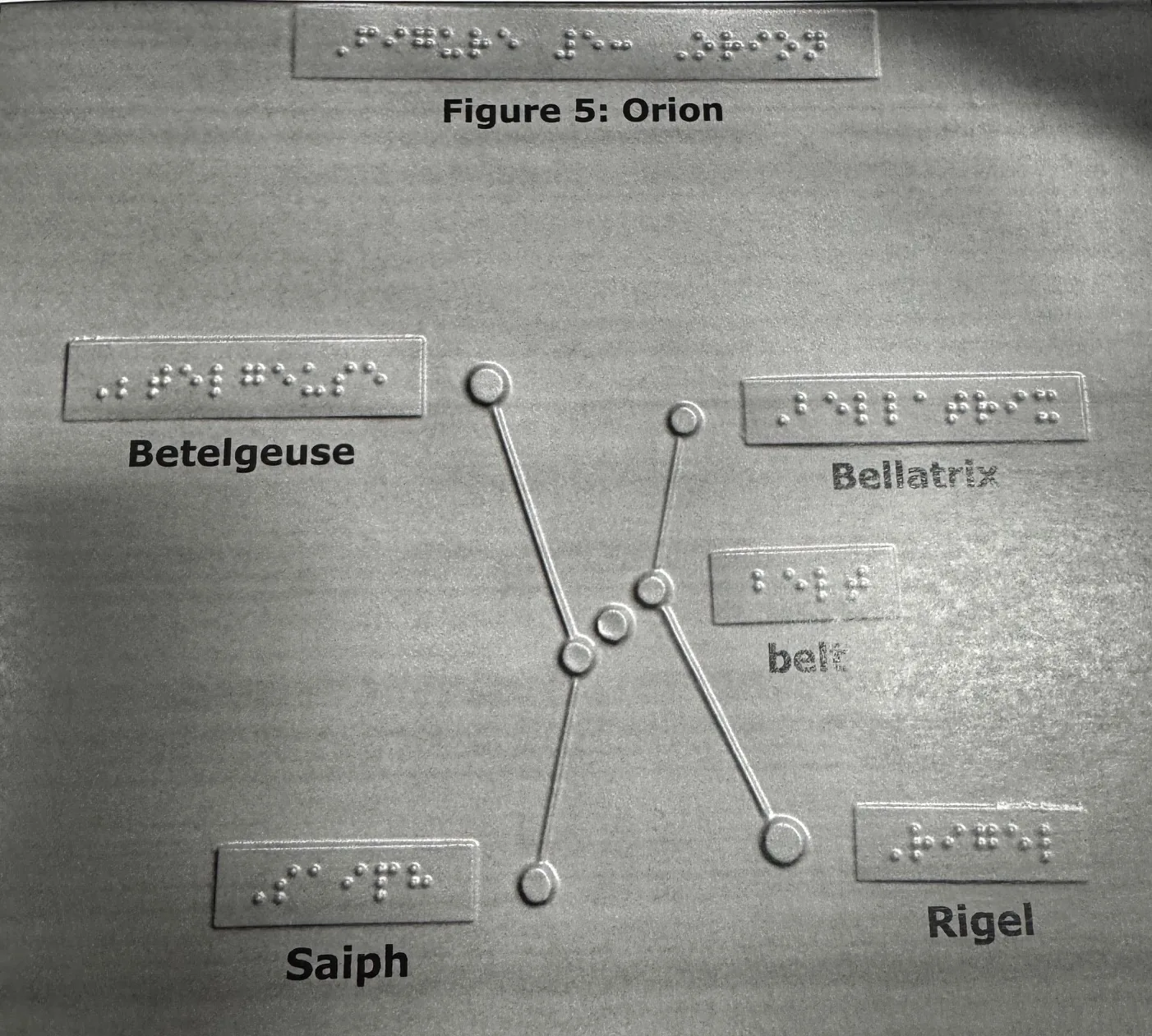
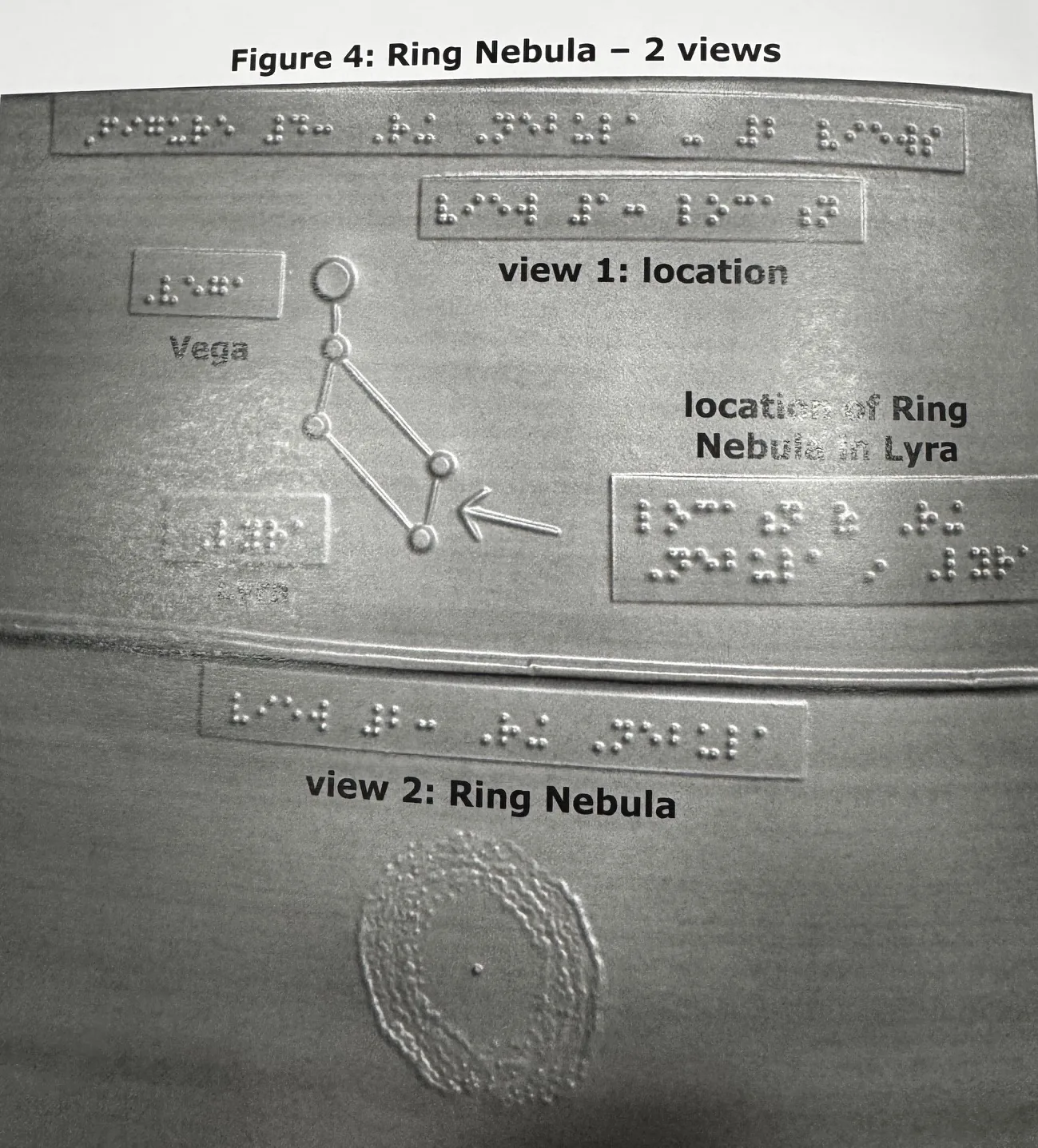
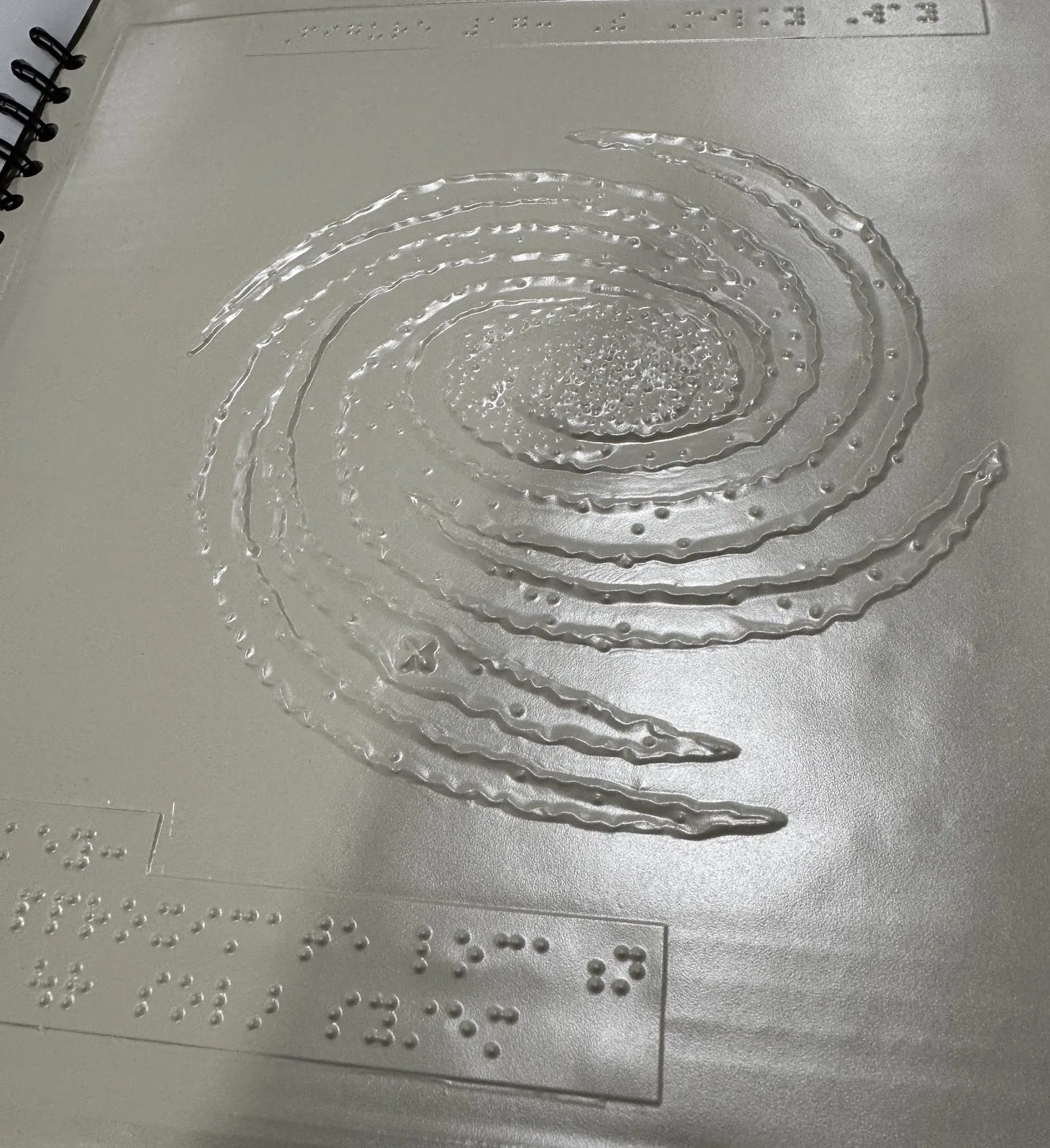
Accessibility in Action: The Springfield Science Museum
What was also impressive was that just outside of the room where the workshop was held at the Springfield Science Museum, were exhibits on the Moon and meteorites that directly put this into action:
Tactile Exhibits at the Museum
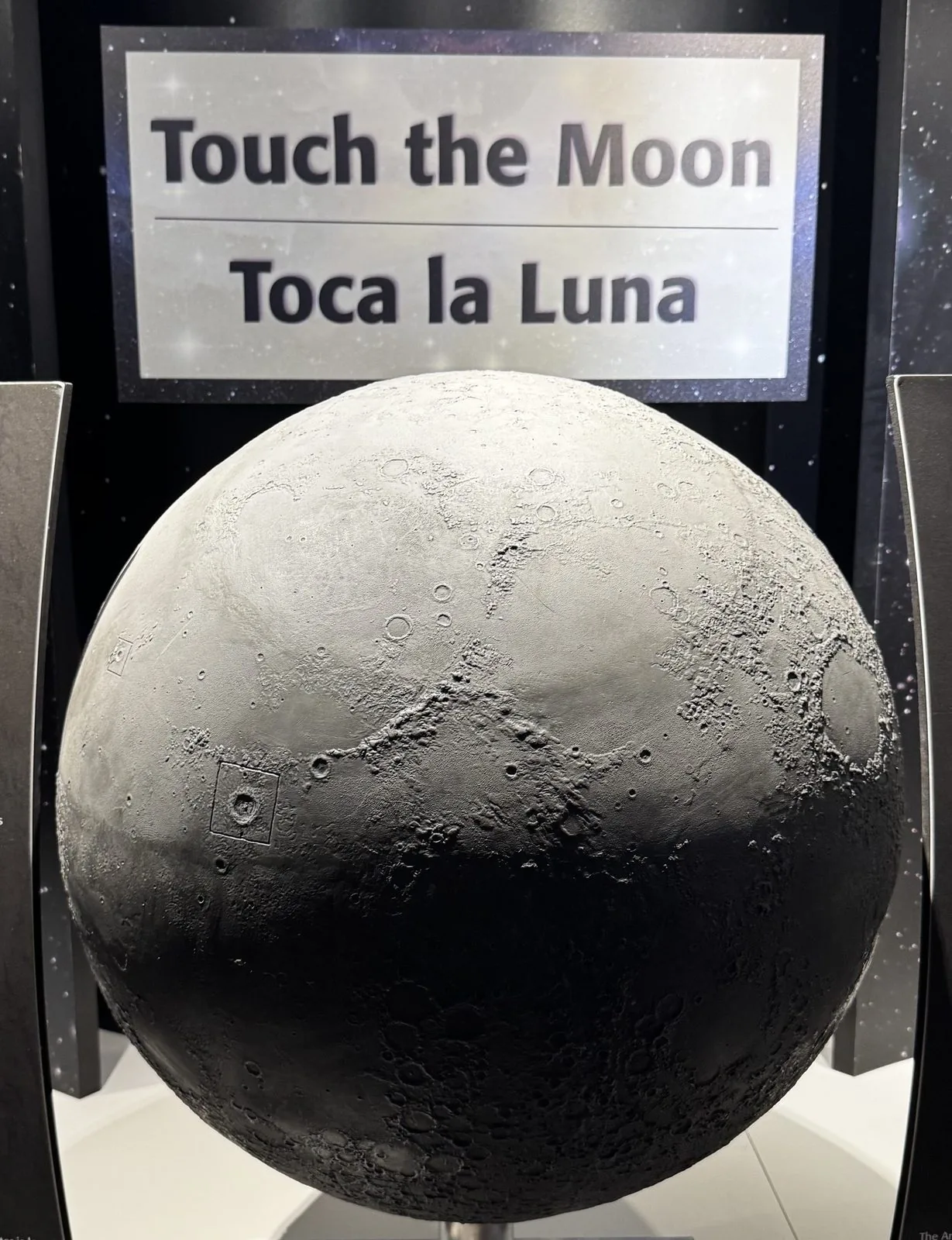
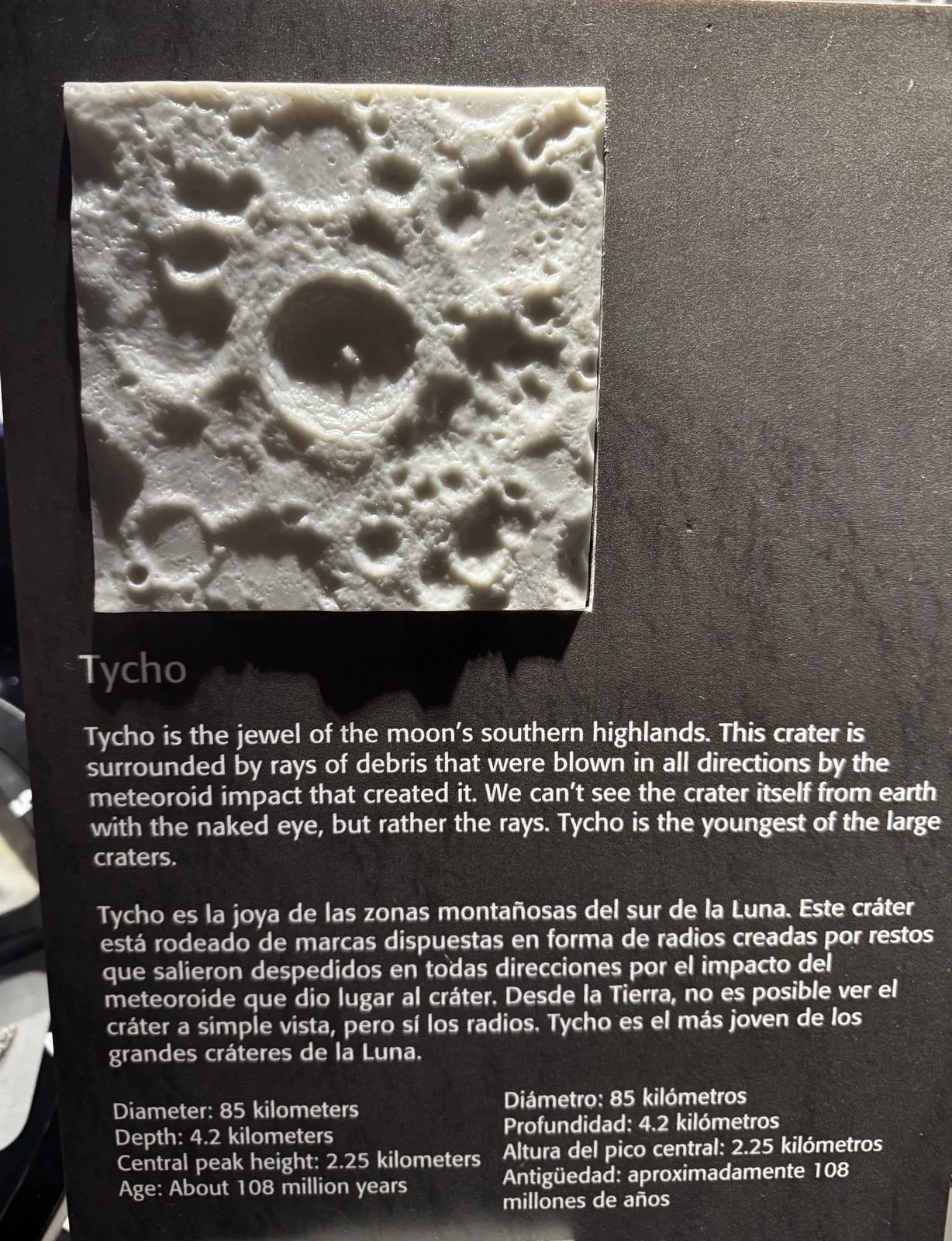
What’s important to notice here is that it’s not an “either/or” situation: making astronomy accessible can be enriching for a broad audience; engaging several senses in ways that bring very distant objects “closer” to us.
What We Learned
Beyond the book itself, the workshop covered practical guidelines for making presentations and public events more accessible to visually impaired attendees — how to describe what’s in a telescope eyepiece, how to approach and engage with someone who can’t see the object you’re pointing at, how to think about the full experience of an event rather than just its visual centerpiece.
That last part stuck with me most. It’s less about equipment or materials and more about awareness — knowing how to have a conversation that includes everyone at the eyepiece, not just those who can see through it.
What NBAS Is Taking Home
I ordered a copy of Touch the Stars at the workshop, and I’ll be donating it to the North Adams Public Library so it’s available to the whole community — not just people who attend our events.
For NBAS specifically: if we know in advance that a visually impaired person will be attending one of our star parties or public events, we can have the book on hand as a resource. But more practically, having attended this workshop, I now feel better prepared to engage thoughtfully with a visually impaired attendee when the moment comes — without waiting for special arrangements. This was another important focus of the presentation: becoming aware of how to make the experience engaging, and also how to tailor our own presentations to be more descriptive and contextual without presuming that everyone can “see” the materials.
Astronomy belongs to everyone. That’s something we say on our outreach page, and it’s worth making sure our events actually reflect it.