🏛️ The Club is Moving Forward!
At our last meeting, we elected officers, formalized our bylaws, and discussed plans for the rest of the year:
Officers:
- President: Kevin Marsh
- Vice-President: Gareth Williams
- Treasurer: Debbie Pavin
- Secretary: Bob Donahue
🌐 Our Website Has Launched!
- Articles spanning the cosmos from asteroids in the Solar System, to supernovae in distant galaxies;
- Tools to help you plan your night time observing;
- Several ongoing series including “Planet Watch!”, quizzes, and observing challenges!
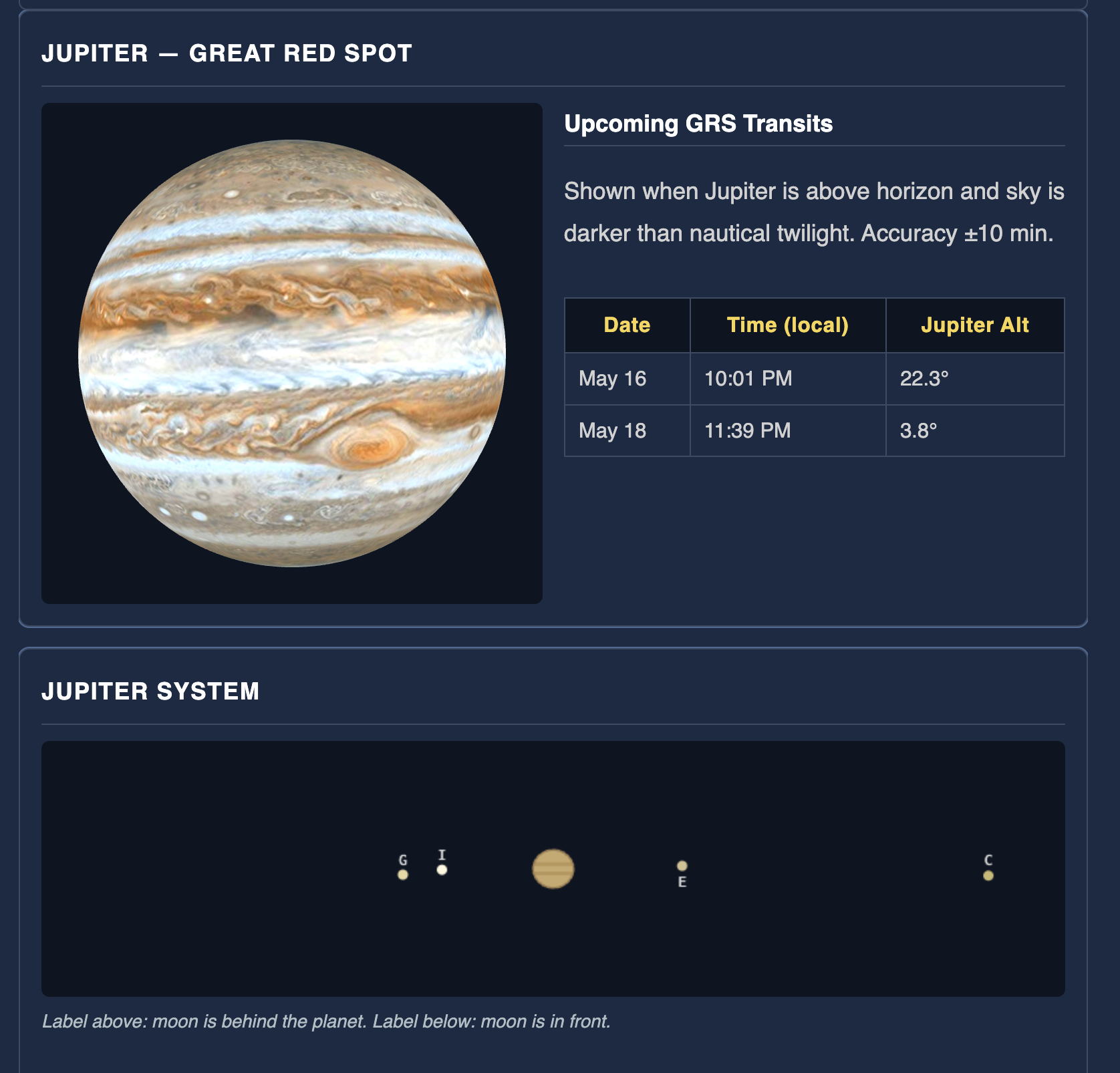
Our “Solar System Dashboard” has timely information on:
- The locations of the Sun, Moon, and Planets;
- Renderings showing the phases of the inner planets, and features on Mars;
- Timings to see Jupiter’s Great Red Spot;
- The orientation of the satellite systems of Jupiter and Saturn, and
- Keeping tabs on upcoming (hopefully) bright comets.
And there’s even more - on the site you can find:
- The current view of the constellations;
- Up-to-date observing/weather conditions;
- Upcoming passages of the International Space Station;
- Aurora forecasting
Plus there’s NBAS calendar, with almanac, and regional events (if you know of any we should know about - let us know!)
🌞 Summer Solstice
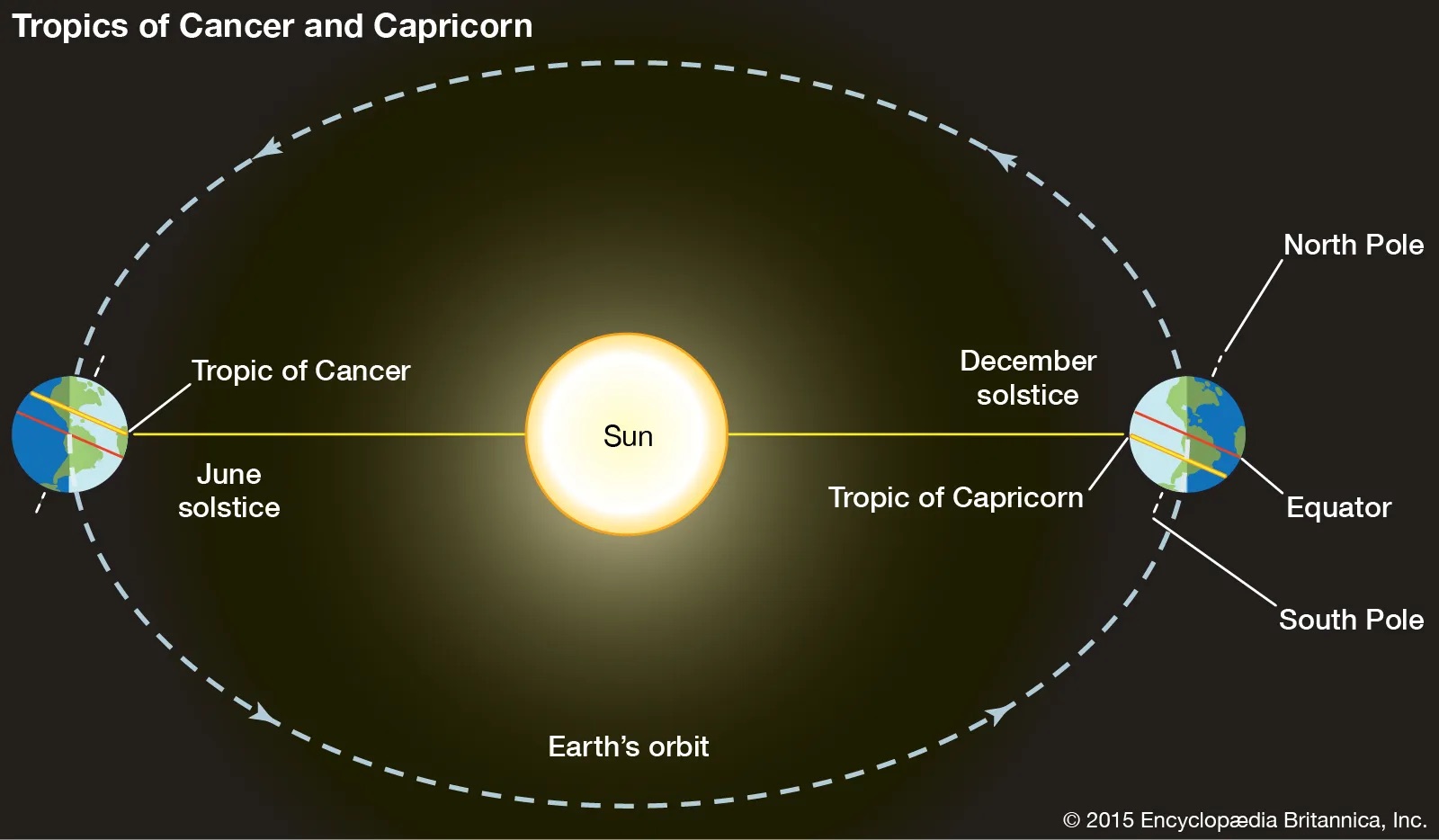
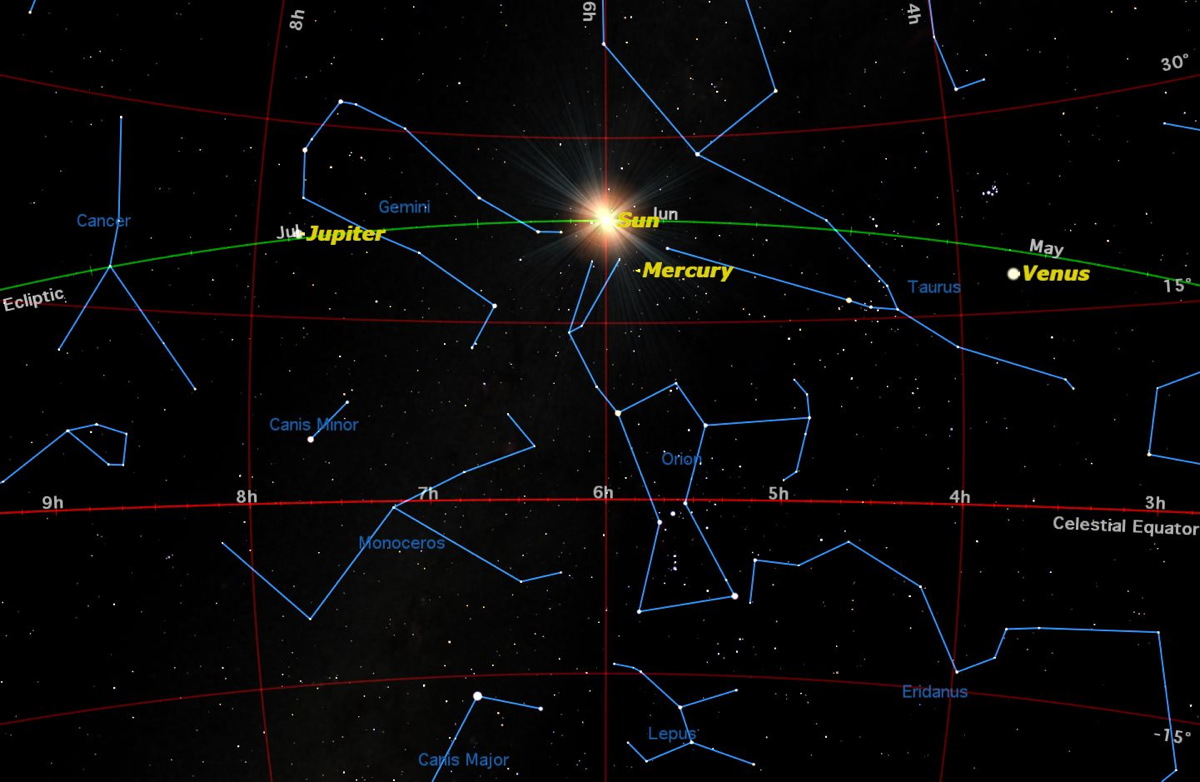
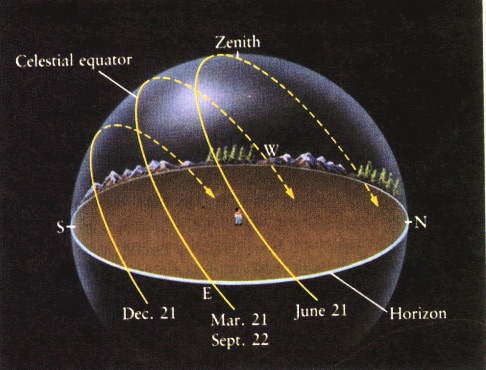
June 21st the Summer Solstice, when Sun reaches its maximum northern declination (in Gemini). Nights are short (just under 9 hours) with even more limited “dark time” (just over 4 hours).
📸 This Month’s Image
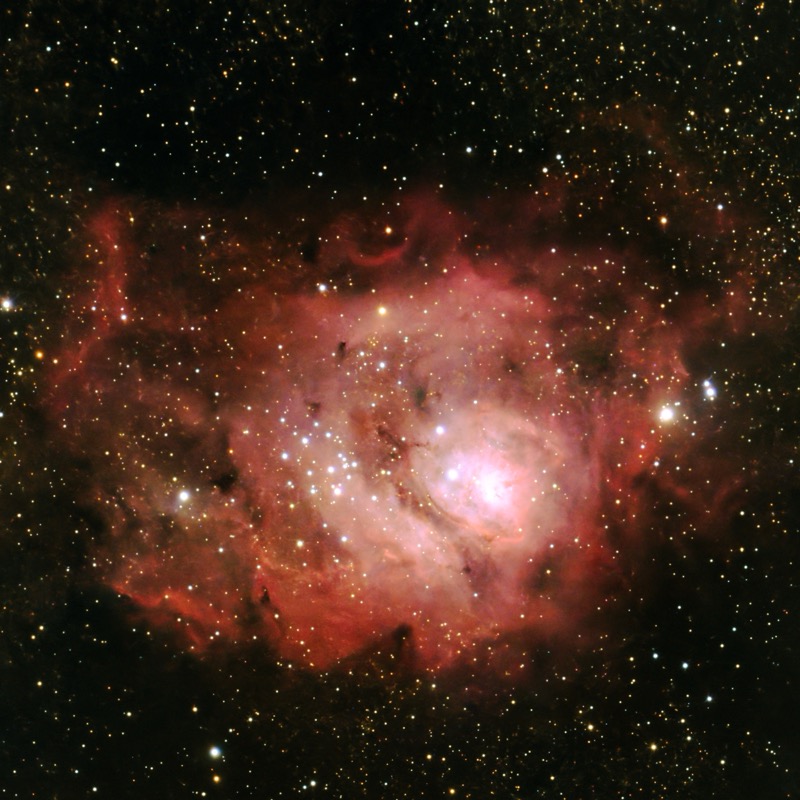
The Lagoon Nebula in Sagittarius is one of the brighter emission nebulae,
is dimly viewable in very dark skies with the naked eye. In binoculars,
it appears as a greyish cloud-like patch with a brighter center.
Inside is the loose open cluster NGC 6550, and has a great deal of structure
shaped by winds from the hot young stars forming there.
This stellar nursery is fairly large - spanning 110 x 50 light years and is ~5,000 light years away.
✨🔭 Monthly Starmap
To help you navigate the night sky this month, we’ve provided a high-resolution starmap. The PNG is great for quick viewing, while the PDF is optimized for sharp home printing.
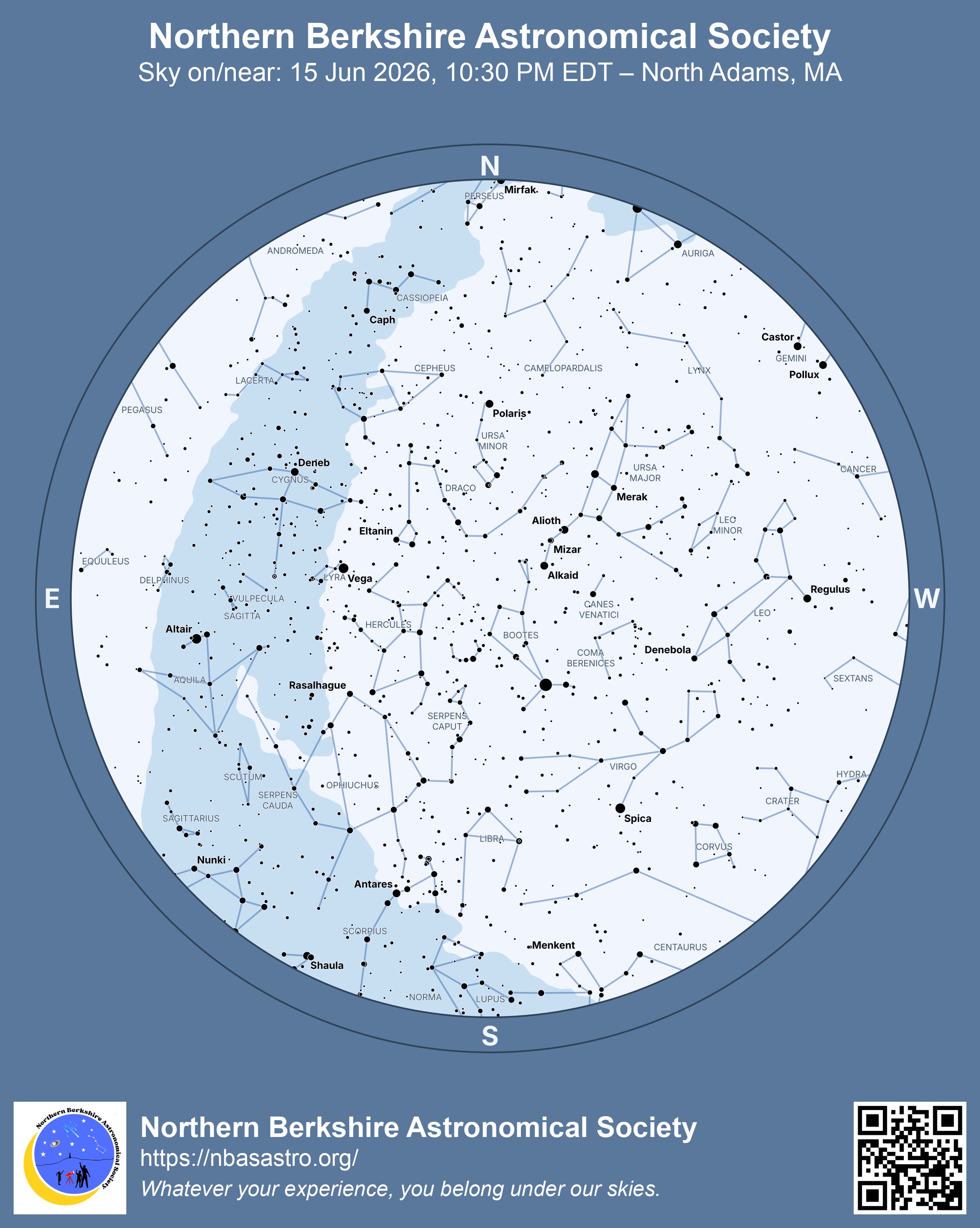
June 2026 Reference Starmap
Reference chart (no planets) — optimized for sharp home printing.
📥 Download Chart (Print Ready)