Fall Isn’t One Meteor Shower — It’s Four
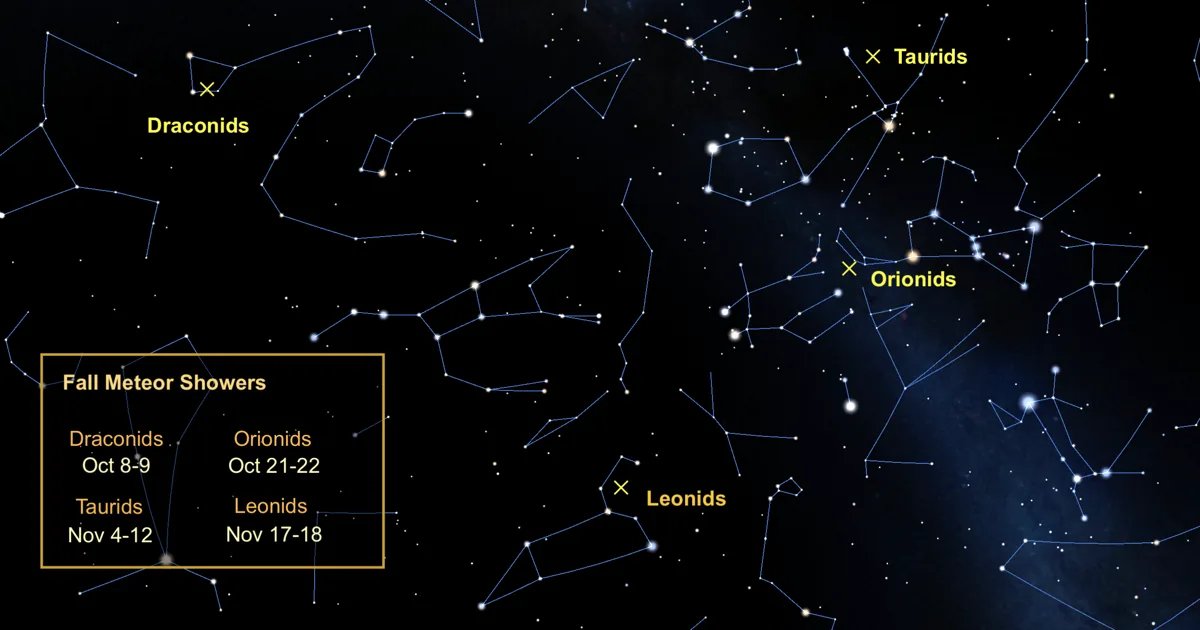
Where August gives you one shower to plan an entire evening around, fall gives you four — and unlike the Perseids, no two of them behave the same way. One is famous for being almost silent except when it isn’t. One is the calm, reliable member of the family, coasting on debris from the most famous comet there is. One doesn’t really peak so much as wander through six weeks producing the occasional bright, slow fireball. And one carries a reputation for total sky-filling storms, even though the storm itself isn’t due again for another few years. This isn’t a guide to one big night — it’s a guide to a whole season, four separate appointments with four different comets, each worth knowing on its own terms.
Quick orientation before the details: here’s the shape of the season.
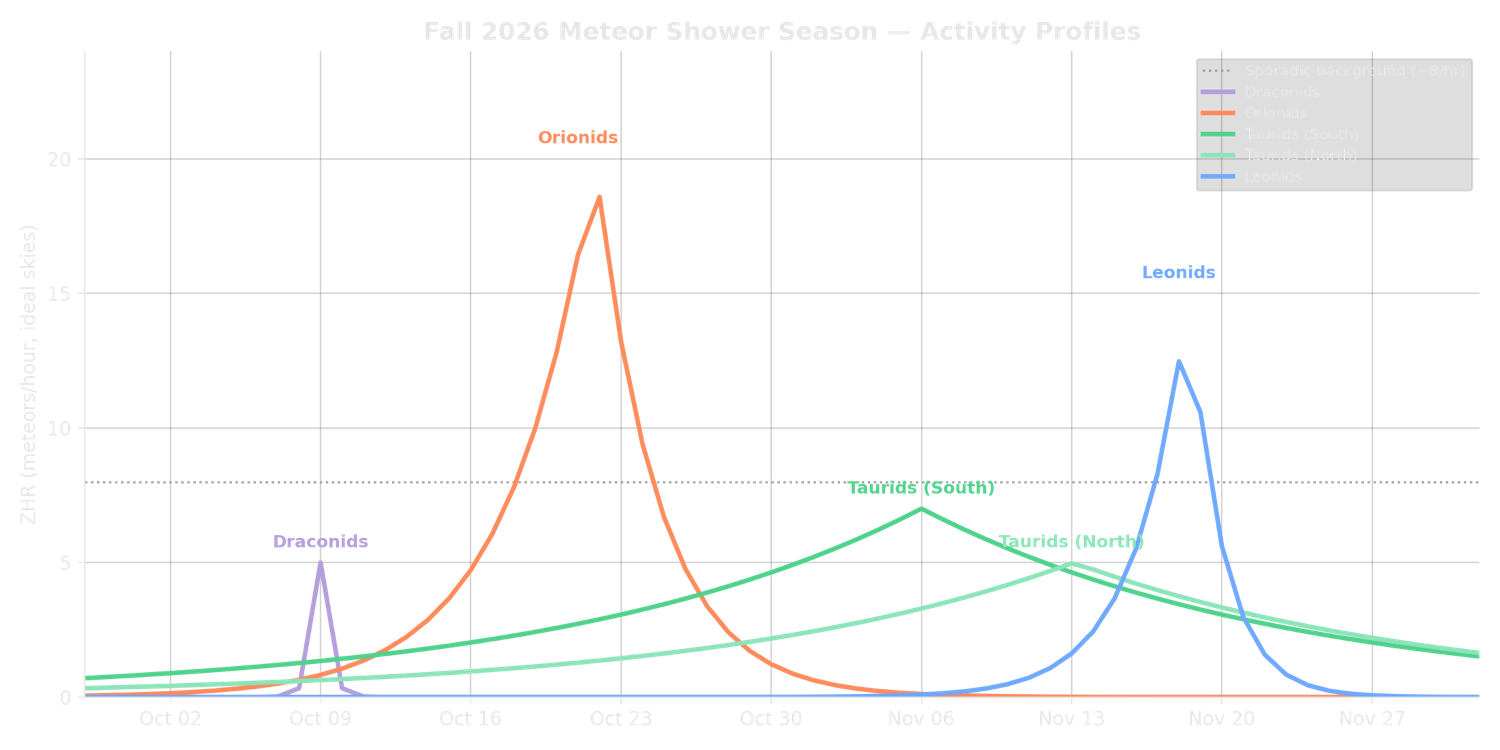
| Shower | Active Dates | Peak (2026) | Moon Condition | ZHR (ideal skies) | Parent Body |
|---|---|---|---|---|---|
| Draconids | Oct 6–10 | Oct 8–9 | no interference | ~5 (occ. far higher) | 21P/Giacobini-Zinner |
| Orionids | Oct 2–Nov 7 | Oct 21–22 | Waxing gibbous — sets after midnight | ~20 | 1P/Halley |
| Taurids (S./N.) | Sep 20–Dec 10 | No sharp peak: S. ~Nov 4–5, N. ~Nov 11–12 | favorable | ~5 to 10 | 2P/Encke |
| Leonids | Nov 6–30 | Nov 17–18 | First-quarter — some interference, sets before dawn | ~10 to 15 | 55P/Tempel-Tuttle |
Personality, at a glance:
- Draconids — usually quiet, occasionally a total wildcard
- Orionids — steady, with rare multi-year outbursts
- Taurids — low rates, but famous slow fireballs riding a real 7-year swarm cycle
- Leonids — modest most years, carrying a historic storm reputation
Draconids — The One That Might Not Behave
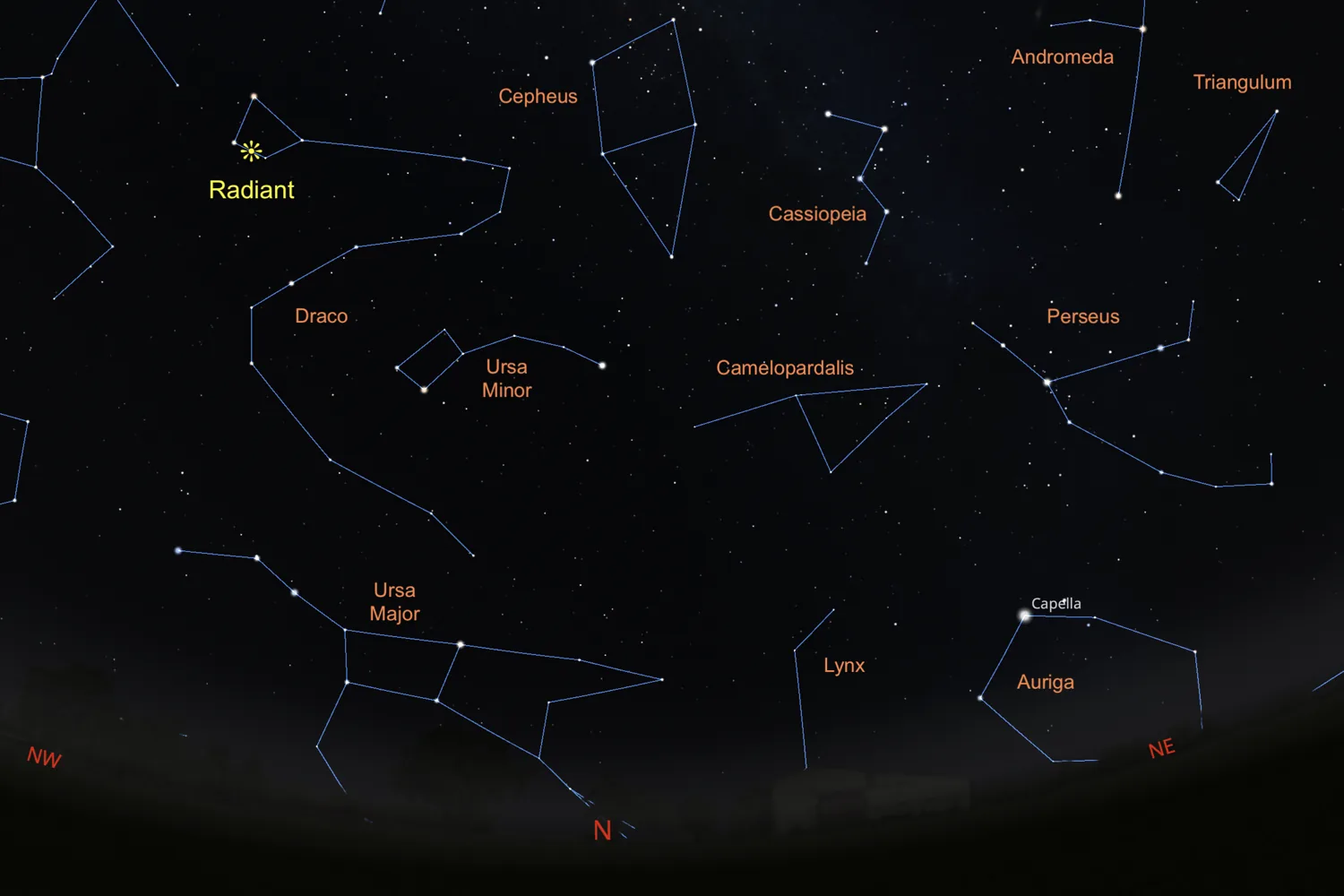
Every other shower in this guide asks you to stay up past midnight, or set an alarm for the dead of night. The Draconids don’t. Comet Giacobini-Zinner’s orbit puts Earth’s crossing of its debris trail in the early evening rather than after midnight, so the radiant — in the head of Draco the Dragon, coiled between the Big and Little Dippers — is already high in the sky as soon as it’s fully dark. That makes this the one shower here you can genuinely watch after dinner, with kids who have a bedtime, without anyone setting an alarm for 2 a.m.
About the Source: Comet 21P/Giacobini-Zinner
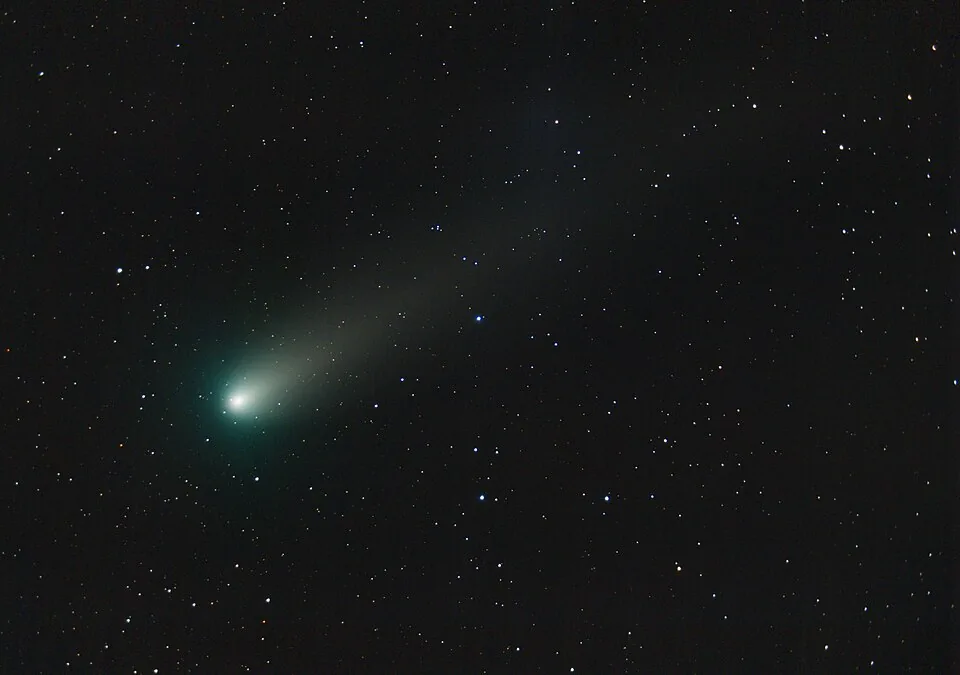
Comet 21P/Giacobini-Zinner was discovered independently by Michel Giacobini in 1900 and rediscovered by Ernst Zinner in 1913 — hence the double name. It’s small and short-period, completing an orbit around the Sun roughly every 6.6 years, which places it in the Jupiter family of comets: bodies whose paths have been reshaped over time by repeated gravitational nudges from the solar system’s largest planet. Each pass through the inner solar system sheds a little more dust along its track — and it’s Earth crossing those old, scattered trails, not the comet itself passing by, that produces the Draconids every October.
An Unusual History
Most years, the Draconids are close to a non-event — a handful of meteors an hour, easy to miss if you aren’t specifically looking. But this is also the shower most likely to completely defy that expectation. In 1933 and 1946 it produced genuine meteor storms, with rates estimated in the tens of thousands per hour — among the most dramatic meteor displays ever recorded, and largely forgotten today because each lasted only an hour or two, decades before most of us were watching. Smaller outbursts followed in 1985, 1998, 2005, and 2011, then a real surprise in 2012 (a storm nobody had predicted), and a ZHR around 150 lasting roughly four hours in 2018.
The outburst years aren’t random. They cluster roughly six to seven years apart, or thirteen (a multiple of that), tracking the comet’s own ~6.6-year orbital period — each pass leaves a fresh trail, and Earth gets a strong show whenever it happens to cross a denser one, whether the comet itself is anywhere nearby. That pattern held again recently: both 2024 and 2025 saw confirmed outbursts, the 2025 one tied to debris the comet shed back in 2012, according to a 2025 dynamical study of the stream. 2026 isn’t flagged as one of the model’s enhanced years — but then, 2012 wasn’t predicted either. Worth a glance regardless, especially since this is the one shower here that doesn’t ask you to stay up late for it.
21P/Giacobini-Zinner orbit viewer. NASA/JPL Small Bodies viewer via WGSBN-IAU.
[TODO: vx/vy/vz camera angle — futz with Gareth per prior session pattern, pick whatever best shows off anything notable about 21P’s orbit worth calling out]
Quick Reference
- Peak: Night of October 8–9, 2026 — best in early evening once darkness falls, no need to wait for midnight
- Active: October 6–10
- Moon: ~1% illuminated — no interference
- Expected rate: ~5/hour in a typical year (historically capable of far more)
- Radiant: Constellation Draco, high in the evening sky
- Parent body: Comet 21P/Giacobini-Zinner
Orionids — Reliable, With a Past
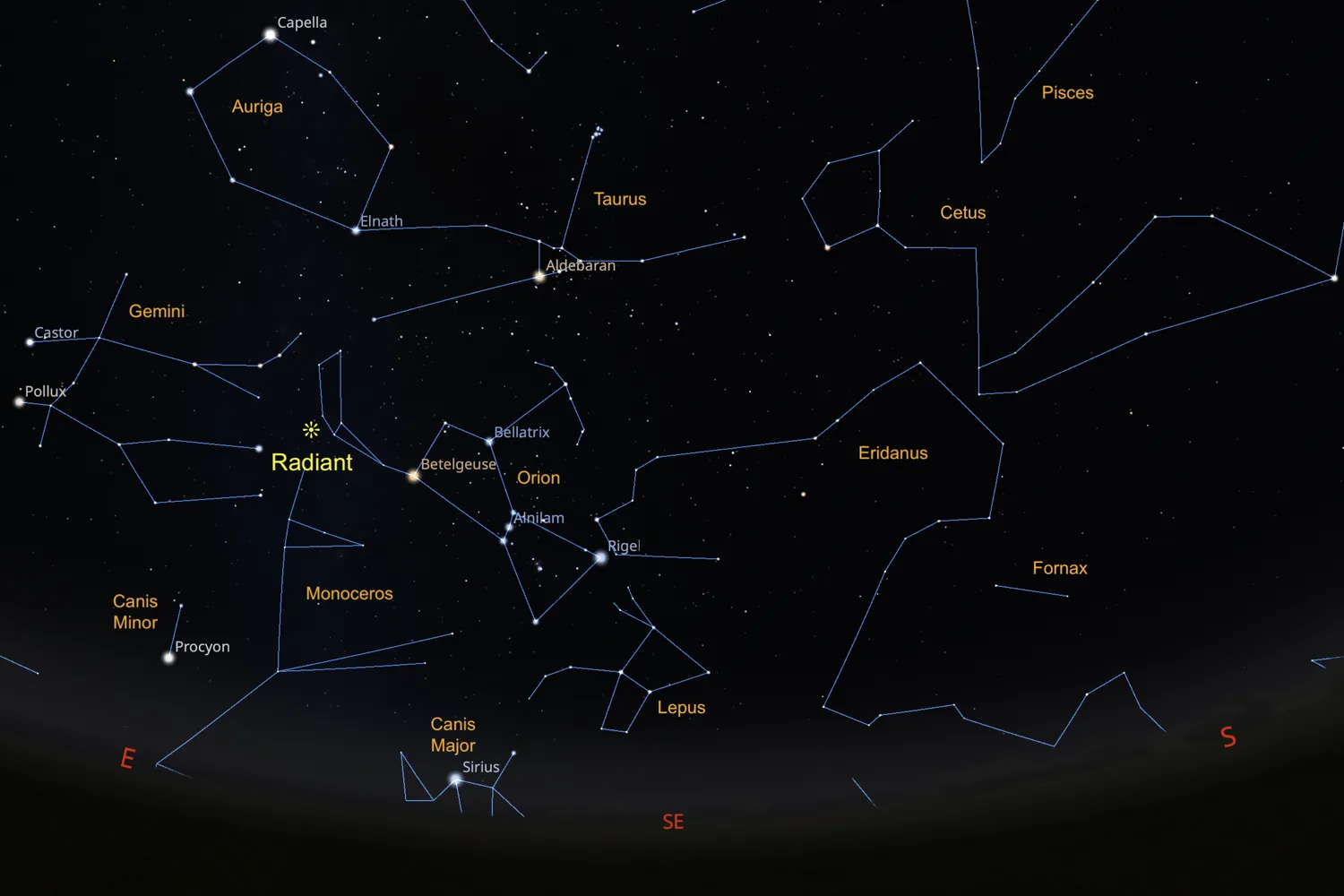
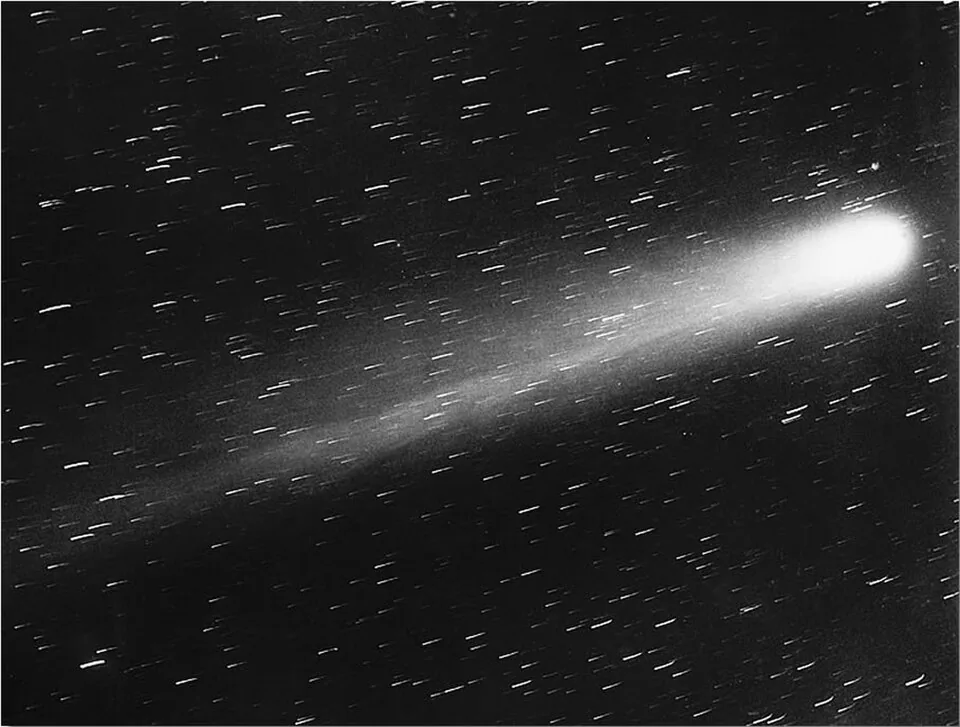
Halley’s Comet swings by Earth only once every 75 years or so — the next visit isn’t until 2061. But you don’t have to wait that long to see a piece of it. Every October, Earth passes through the trail of dust Halley has scattered along its orbit over thousands of years, and each speck that burns up in our atmosphere is, quite literally, a fragment of the most famous comet in history.
About the Source: Comet 1P/Halley
The 2006–2009 Outburst
In a typical year, the Orionids are a modest, reliable performer — around 15 to 20 meteors an hour under dark skies, arriving fast, since Orionid meteors are among the swiftest of any shower, a product of the near-head-on angle at which Earth meets Halley’s debris. But between 2006 and 2009, rates climbed to around 40–70 an hour, possibly driven by a Jupiter orbital resonance that concentrated an unusually dense pocket of older debris in Earth’s path. Whether that’s a genuine recurring cycle is still debated — it shows up in some radar data but not in visual observations — so for practical purposes, the Orionids are a shower you can count on for a decent show, with the occasional pleasant surprise nobody can currently put a date on.
1P/Halley orbit viewer. NASA/JPL Small Bodies viewer via WGSBN-IAU.
Quick Reference
- Peak: Night of October 21–22, 2026, best after midnight when the radiant is highest
- Active: October 2–November 7 (broad window)
- Moon: Waxing gibbous (~80%) — washes out fainter meteors until it sets after midnight
- Expected rate: ~20/hour under dark skies
- Radiant: Constellation Orion, near the upraised club
- Parent body: Comet 1P/Halley
Taurids — Slow, Bright, and Riding a 7-Year Cycle
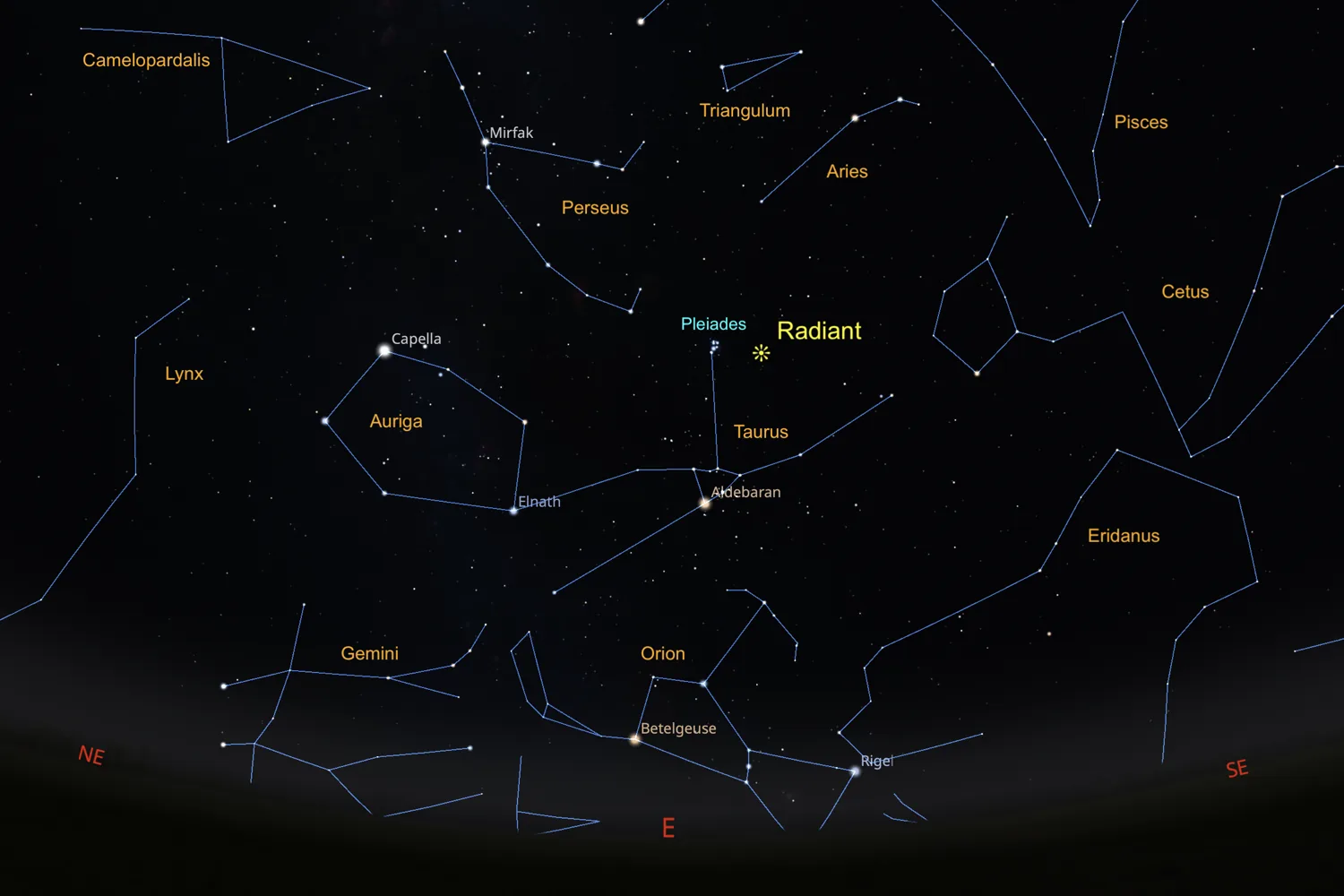
Ask anyone who’s watched a lot of meteor showers what a Taurid fireball looks like, and they’ll usually light up: not a quick streak, but a slow, bright, sometimes colorful ember drifting across the sky. Taurid meteors move slower than almost any other shower’s, a product of the shallow angle at which Earth catches up to them rather than meeting them head-on — and it’s exactly that slowness that gives them time to burn bright and long enough to notice, even under mediocre skies. Just don’t expect a sharp peak night. This is a shower that trickles rather than surges.
About the Source: Comet 2P/Encke
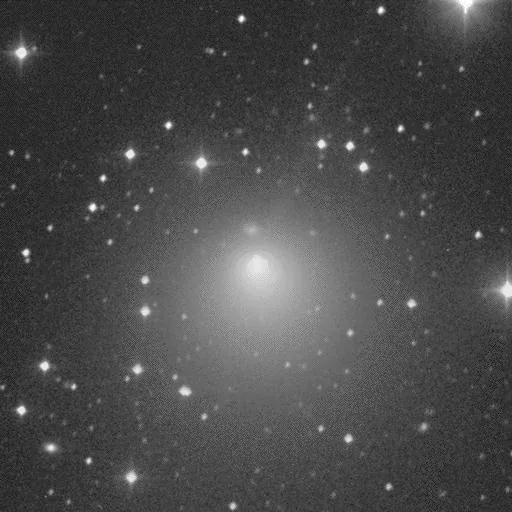
The Taurids are unusual among major showers in being split into two separate streams — the Southern and Northern Taurids — both traced back to Comet 2P/Encke, or to a family of related debris that may have broken off it thousands of years ago. Encke itself has the shortest orbital period of any known comet, just 3.3 years, and that short, tight orbit has smeared its debris into a wide, diffuse band that Earth spends weeks crossing rather than passing through in a single night. That’s why the Taurids don’t have one clean peak: the Southern branch is most active in early November, the Northern branch about a week later, and the two overlap enough in late October and early November that on a good night you can catch meteors from both at once.
There’s a wrinkle worth knowing about the Southern branch specifically: alongside its main November 5 peak, there’s an earlier, lower sub-peak around October 13 (ZHR around 5) that’s often been mistaken for the shower’s actual maximum. This year in particular, that October activity is expected to run a bit above its usual level — so it’s worth watching the skies through mid-October, not just waiting for the November date.
The Swarm
There’s more happening inside that diffuse band than random scattering, though. A resonance with Jupiter’s orbit — roughly 7 Jupiter orbits for every 2 trips through the debris — concentrates part of the stream into a denser clump known as the Taurid swarm, and Earth passes through it on a recognizable, roughly 7-year cycle: outburst years have been documented in 1998, 2005, 2015, and 2022. 2026 isn’t one of the swarm years, so if this autumn feels a little quieter on Taurid fireballs than reports from some past years, that’s expected rather than a bad sign. The next predicted return of the swarm proper is 2032 — and there’s active, published research from 2025–2026 modeling whether that debris field could include a few objects large enough to be worth tracking from a planetary-defense standpoint. That’s genuinely interesting, actively studied science, not a settled fact or a reason for alarm — just one more thing that makes the Taurids more than “the boring one in between the good ones.”
2P/Encke orbit viewer. NASA/JPL Small Bodies viewer via WGSBN-IAU.
Quick Reference
- Peak: No sharp peak — an earlier Southern sub-peak around Oct 13 (watch for above-average activity this year), then Southern branch main peak ~Nov 4–5, Northern branch ~Nov 11–12
- Active: September 20–December 10
- Moon: Southern peak: waning crescent (~18%); Northern peak: thin crescent (~7%) — both favorable
- Expected rate: ~5/hour per branch, up to ~10/hour combined during the late-Oct/early-Nov overlap
- Radiant: Constellation Taurus
- Parent body: Comet 2P/Encke
Leonids — The Reputation Shower
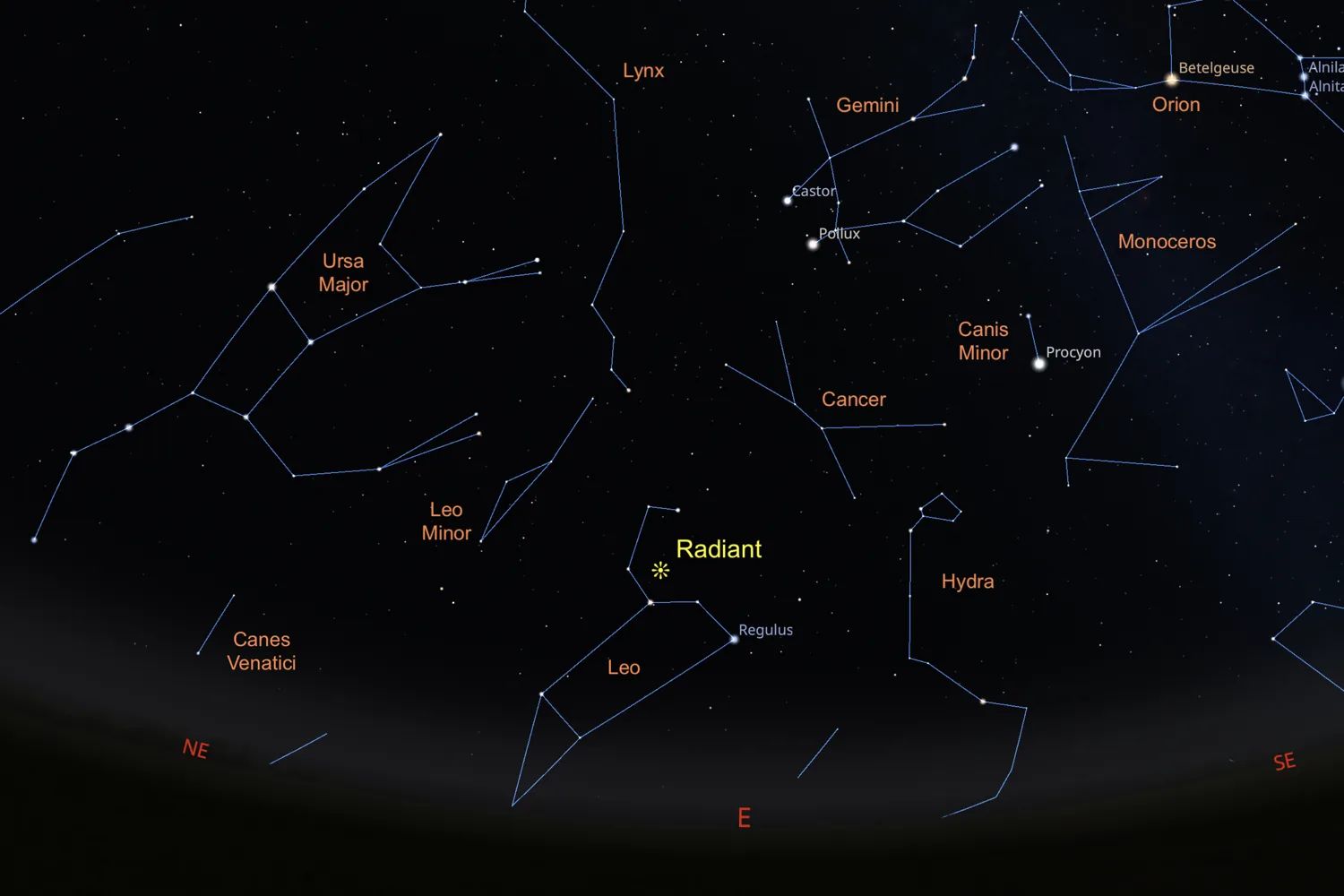
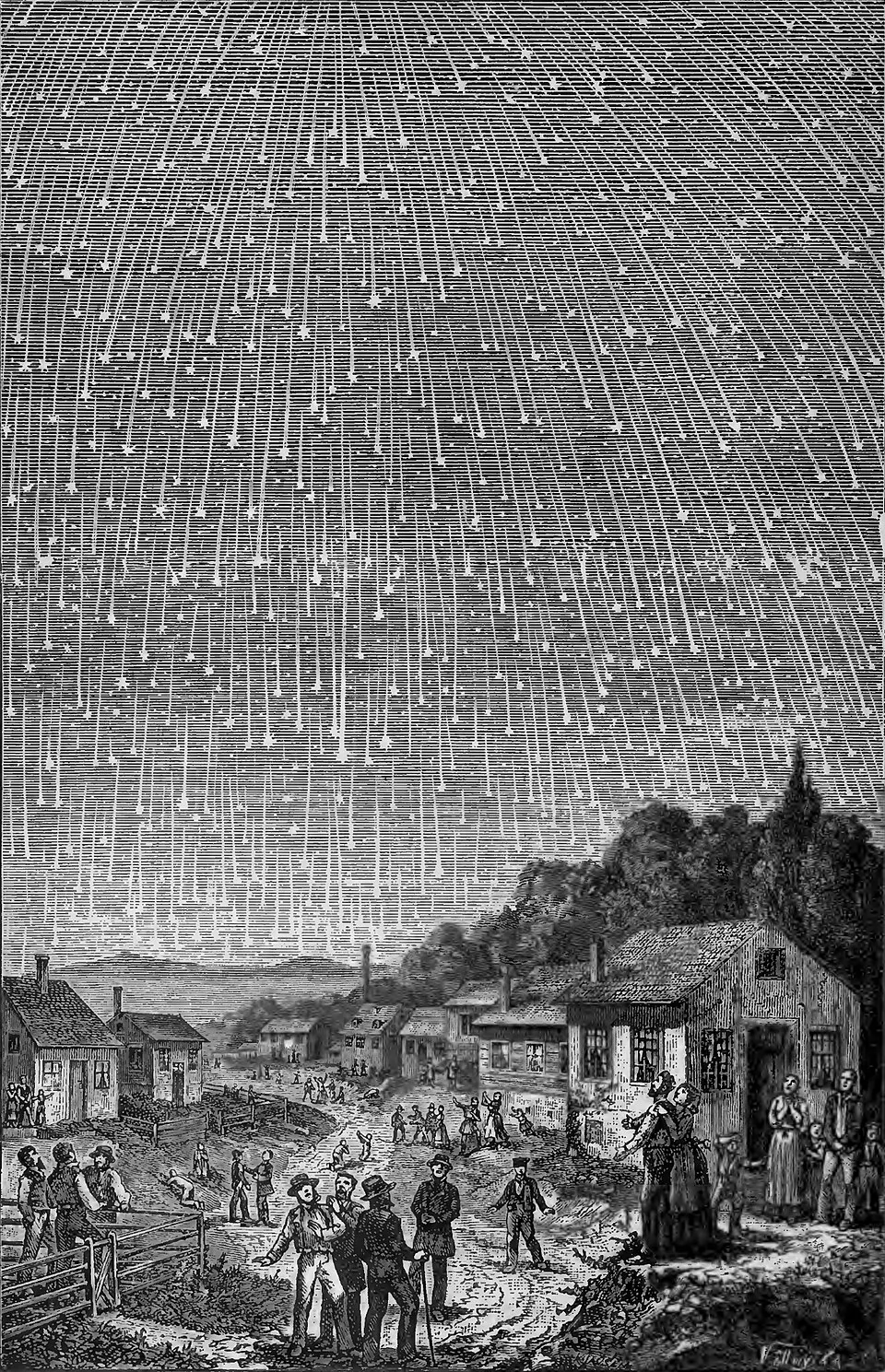
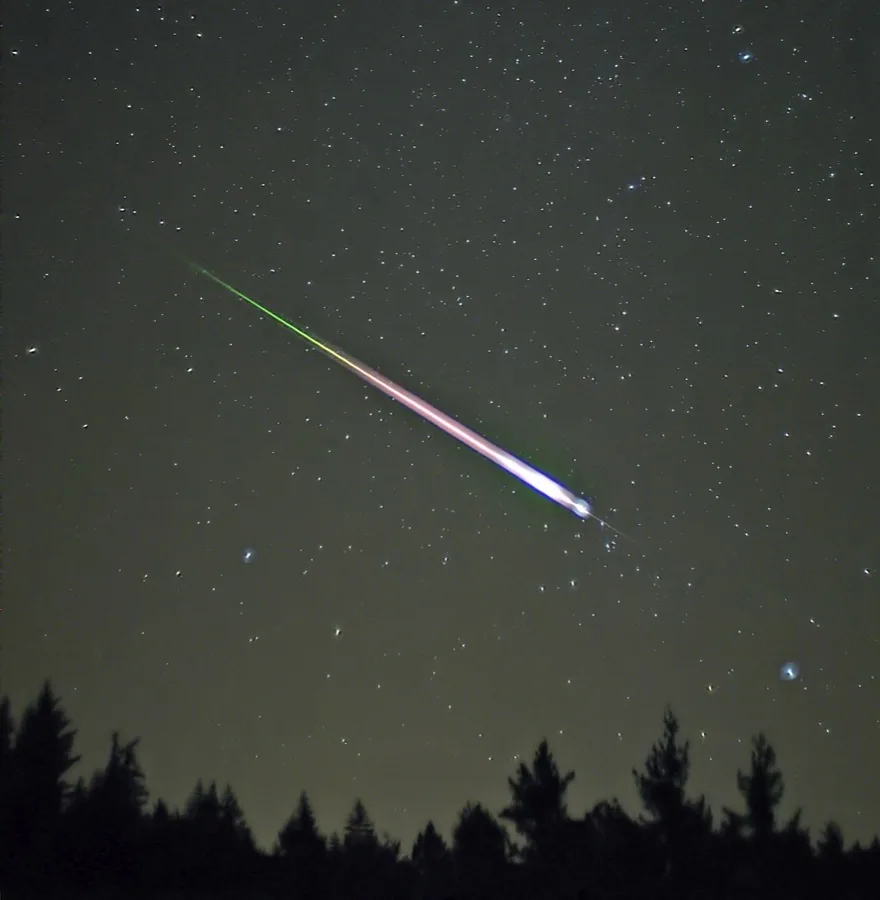
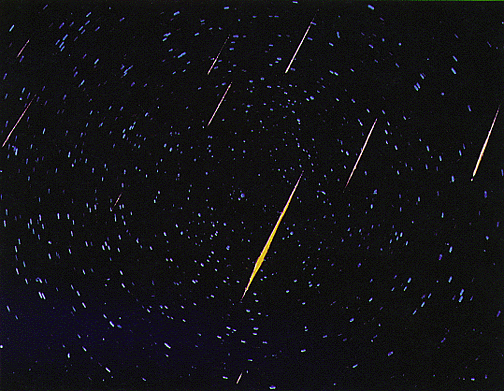
On the night of November 12–13, 1833, people across North America woke to what many genuinely believed was the end of the world — observers estimated tens of thousands of meteors an hour, so dense that witnesses described the stars themselves as appearing to fall. That night is the reason the Leonids carry a reputation far bigger than their typical yearly performance, and it’s also, indirectly, the night that helped found modern meteor science: it was the sheer scale of the 1833 storm that first got astronomers seriously asking where meteors actually come from, and why they’d cluster so predictably on a specific date.
About the Source: Comet 55P/Tempel-Tuttle
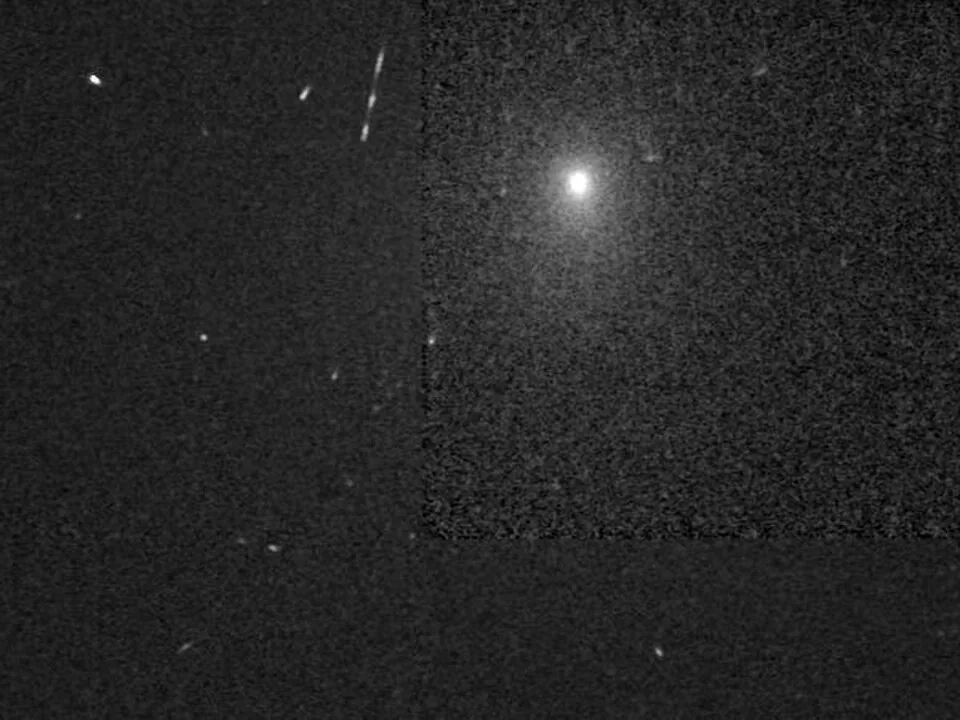
The parent comet, 55P/Tempel-Tuttle, was independently discovered by Wilhelm Tempel in 1865 and Horace Tuttle in 1866 — fittingly, right around the time of the next great Leonid storm. It’s a small comet on a 33-year orbit, and that orbital period sets the rhythm for when Leonid storms tend to occur: the densest, freshest debris trails cluster near the comet’s own passages, so the shower’s best years tend to arrive in batches roughly once every 33 years, rather than building gradually. Its next perihelion is precisely dated: May 20, 2031.
The calculated instant of peak activity this year is Nov 17 at 6:45 PM Eastern — but that’s still early evening, before Leo has climbed very high for most observers. In practice, the best viewing window remains after midnight into the early hours of Nov 18, once the radiant is well up, even though the shower’s technical peak has already passed by then.
The 33-Year Cycle — And Why It’s Not Just One Year
55P/Tempel-Tuttle orbit viewer. NASA/JPL Small Bodies viewer via WGSBN-IAU.
Quick Reference
- Peak: Night of November 17–18, 2026
- Active: November 6–30
- Moon: First quarter (~50%) — some interference, sets before dawn leaving a dark window
- Expected rate: ~10–15/hour in a typical (non-storm) year
- Radiant: Constellation Leo
- Parent body: Comet 55P/Tempel-Tuttle
How to Watch — Get Comfortable (Fall Edition)
The core advice doesn’t change from any other meteor shower: get away from city lights, give your eyes 20–30 minutes to fully adjust to the dark, and resist checking your phone once they have — even a quick glance at a bright screen resets your night vision and costs you the meteors that would otherwise catch your eye. Lie back rather than craning your neck; meteors can appear anywhere in the sky, not just near the radiant, so a wide, relaxed view beats staring at one spot.
What’s different in fall is the weather, not the technique. This isn’t Perseid-in-August weather, where a light jacket covers it — dress like you’re not moving for two hours, because you’re not: warm layers, a hat, gloves, and something insulating between you and the ground (a lawn chair or a thick blanket over a sleeping pad beats sitting directly on cold grass). A thermos of something warm does double duty as comfort and as an excuse to stay out just a little longer.
The upside of the cold is that darkness comes early. Where a Perseid night means waiting until close to midnight for real darkness, several of this season’s showers — the Draconids especially — are already good to go shortly after sunset. That makes fall genuinely the more family-friendly meteor season: kids, and adults who’d rather not stay up until 2 a.m., can actually take part instead of just hearing about it the next morning.
Quick Reference — The Whole Season
| Shower | Peak (2026) | Best Hours | Moon | Rate | Parent Comet | Radiant |
|---|---|---|---|---|---|---|
| Draconids | Oct 8–9 | Early evening, once dark | ~1% (new) | ~5/hr | 21P/Giacobini-Zinner | Draco |
| Orionids | Oct 21–22 | After midnight | ~80% (waxing gibbous) | ~20/hr | 1P/Halley | Orion |
| Taurids | No sharp peak (~Nov 4–5 S, ~Nov 11–12 N) | Around midnight | 18% / 7% | ~5–10/hr | 2P/Encke | Taurus |
| Leonids | Nov 17–18 | After midnight, before dawn | ~50% (1st quarter) | ~10–15/hr | 55P/Tempel-Tuttle | Leo |
Four showers, four completely different comets, four different reasons to go outside over the next six weeks. None of them require a telescope, a dark-sky reservation booked months in advance, or any experience at all — just clear skies, a little patience, and knowing which night to circle on the calendar. That’s really the whole idea behind this series, and behind everything we do here: whatever your experience, you belong under our skies.
Clear skies.