Introduction
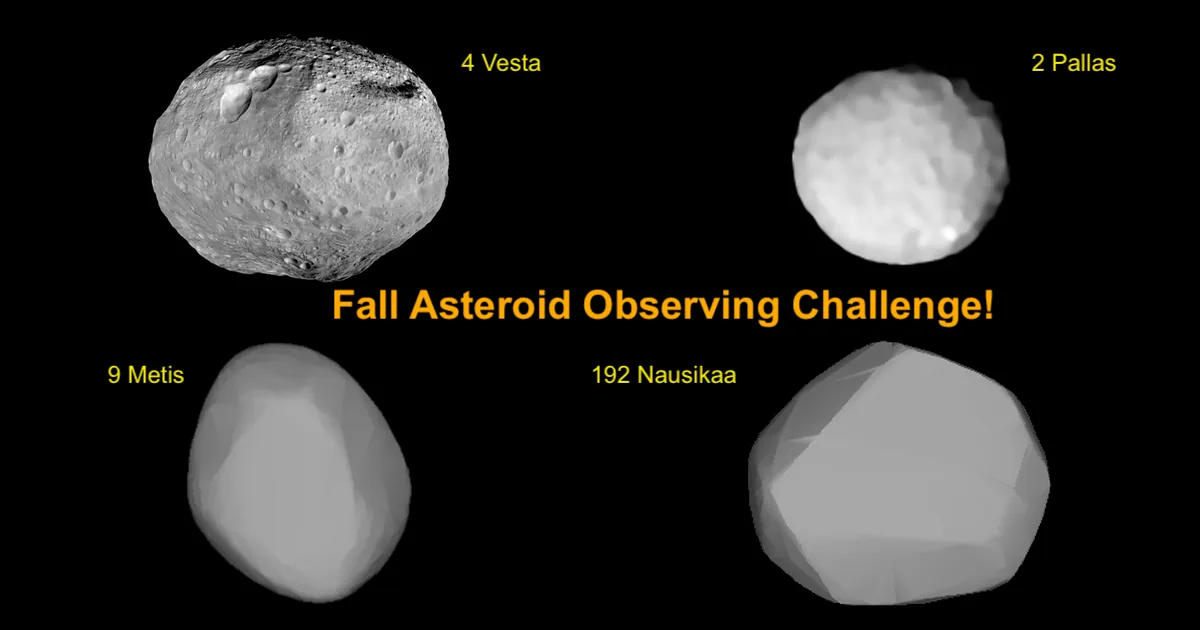
Between Mars and Jupiter, in a belt of rubble left over from the solar system’s earliest days, there are millions of asteroids. Only a small handful are ever bright enough for a backyard telescope, fewer still for binoculars, and exactly one – Vesta, at its very best – can occasionally be teased out with the naked eye. This fall, four of the brighter ones happen to line up within a few weeks of each other: 4 Vesta, 2 Pallas, 9 Metis, and 192 Nausikaa. None of them will look like anything more than a point of light. That’s not a knock against them – it’s kind of the whole point of this challenge.
What’s Out There?
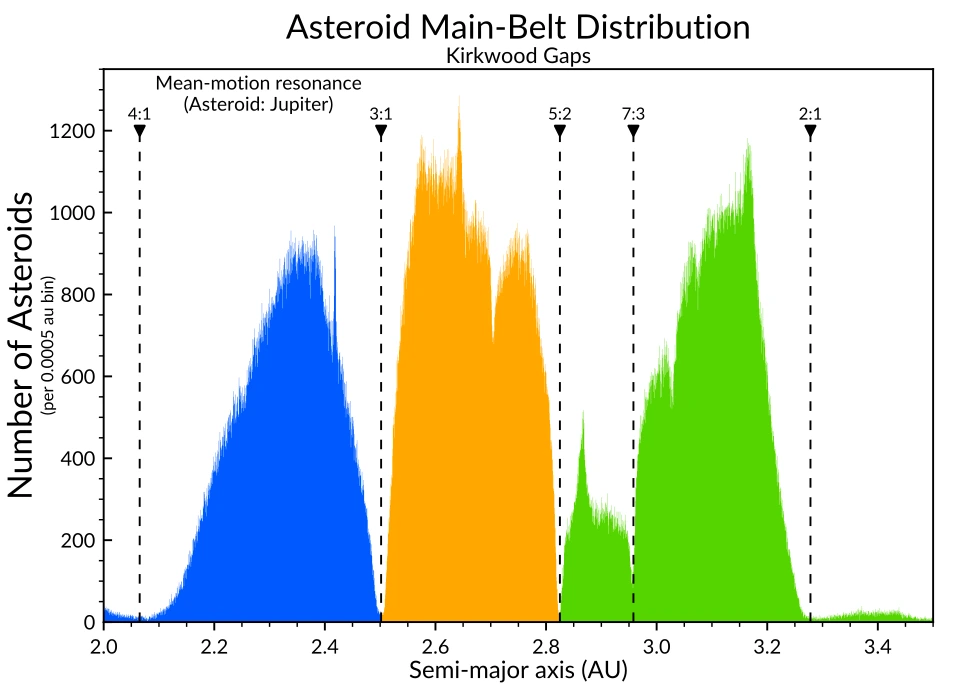
As for how the Main Belt itself came to be: you’ll actually meet the first attempt at an answer in Pallas’s own history below – Heinrich Olbers thought it was the wreckage of a single exploded planet. That idea is dead. Different asteroid families have chemically distinct compositions that no single shattered parent body could produce. The version most people learn instead is the “failed planet” story: material that should have accreted into a fifth rocky world, prevented from finishing by Jupiter’s gravity stirring the neighborhood into a shooting gallery instead of a nursery. That’s still roughly right, but the current research is more unsettled than the textbook version suggests. Some recent modeling goes further and asks whether the region was ever particularly full of local material to begin with – whether much of today’s belt is actually implanted debris, scattered in from the growing giant planets and the inner disk rather than survivors of a dense population that grew up right here. Which version turns out to be closer to true is genuinely still being argued.
One thing does seem settled: the timing. Whichever mechanism did the stirring – the Grand Tack’s sweep of a migrating Jupiter, or the chaotic gravitational tug-of-war as Jupiter and Saturn crossed an early orbital resonance – it happened fast, within the first five to ten million years of the solar system’s existence, tangled up with the same process that was still actively building the terrestrial planets. The Main Belt wasn’t an already-finished neighborhood that later got hit by chaos. The chaos was part of how it ended up looking the way it does at all.
Here’s how tonight’s four compare, side by side:
| Asteroid | Diameter | Semi-major axis | Eccentricity | Inclination | Orbital Period | Albedo |
|---|---|---|---|---|---|---|
| 9 Metis | ~190 km | 2.39 AU | 0.12 | 5.6° | 3.69 yr | 0.118 |
| 192 Nausikaa | ~100 km | 2.40 AU | 0.25 | 6.8° | 3.72 yr | 0.260 |
| 2 Pallas | ~512 km | 2.77 AU | 0.23 | 34.9° | 4.62 yr | 0.159 |
| 4 Vesta | ~525 km | 2.36 AU | 0.09 | 7.1° | 3.63 yr | 0.423 |
4 Vesta and 2 Pallas are the second and third largest Main Belt asteroids (behind 1 Ceres). 9 Metis and 192 Nausikaa are much smaller (about 35th for Metis, and in the 160s for Nausikaa).
So how do they get so bright at opposition to be good observing targets? Aside from size, there are two other things: orbital eccentricity, and albedo. If an asteroid has a higher-than-average eccentricity (as do Pallas and Nausikaa), then depending on where it is in its orbit at/near opposition, the distance to Earth might be closer, making the asteroid brighter. Similarly a higher albedo (reflectivity) makes an asteroid brighter; many of the larger carbon-rich asteroids (like 1 Ceres) have low albedos lower than 0.10 (for comparison, the Moon is 0.12, and asteroid 87 Sylvia is close to pitch black), and so asteroids like Vesta and Nausikaa stand out.
While most of the Main Belt asteroids stick to the Ecliptic plane, Pallas’s inclination is an extreme outlier – though not entirely alone out there. 31 Euphrosyne, at 26.3 degrees, comes closer than anything else to rivaling it, even though Euphrosyne itself is only about half Pallas’s diameter (267 km against Pallas’s 512).
Why Now?
Asteroids are at their best at opposition – the point in their orbit where Earth passes between them and the Sun, putting them closest to us and on the meridian – their highest point in the sky – at local midnight. This particular stretch of fall gives us four oppositions in about seven weeks, working from earliest to latest:
| Asteroid | 2026 Opp. | Mag. | Constellation | |
|---|---|---|---|---|
| 9 Metis | Aug. 28 | 9.2 | Aquarius | Now mag ~10.0 |
| 192 Nausikaa | Sep. 30 | 8.4 | Pisces | |
| 2 Pallas | Oct. 4 | 8.2 | Cetus | |
| 4 Vesta | Oct. 13 | 6.5 | Cetus |
As of early October, each target sits in a different part of its own story. Nausikaa is only a couple of days past its own opposition and still close to its best. Pallas is right on the verge of opposition. Vesta is still brightening toward its own. Metis is the outlier – a full five weeks past its late-August peak and noticeably fainter for it, which makes it the real challenge of the four rather than a warm-up. Pallas and Vesta are the main event: both at or near their best, and both conveniently parked in the same constellation a few weeks apart.
The Targets
9 Metis: A Small Telescope’s Discovery
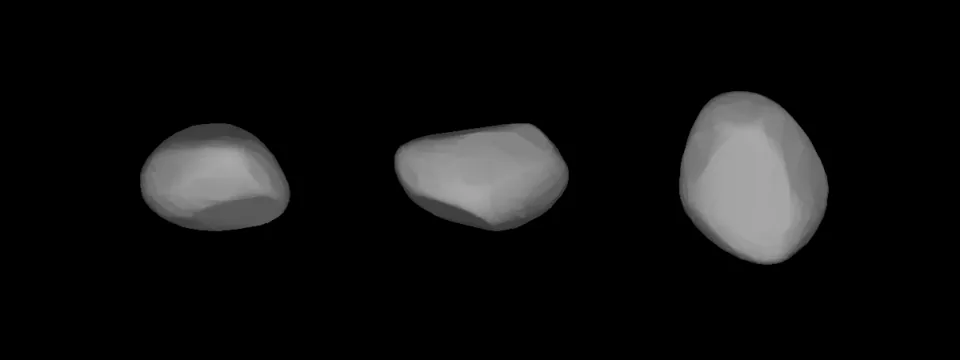
By the 1840s, the pace of asteroid discovery had gone quiet for decades. Vesta, found in 1807, was the fourth and – for 38 years – the last: nobody found a fifth until 5 Astraea in 1845. Then the floodgates opened. Hebe, Iris, and Flora all turned up in 1847 alone, and right behind them, on April 25, 1848, came Metis – found by Andrew Graham, an assistant at Markree Observatory in County Sligo, Ireland.
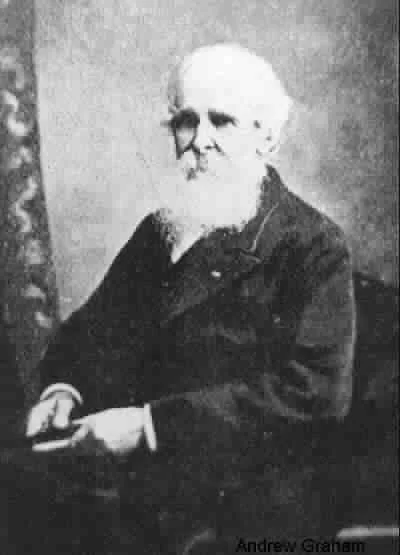
Markree was, for a few years around 1834, home to the largest refracting telescope in the world – a 13.3-inch Cauchoix lens that was the observatory’s pride. Graham didn’t use it. He found Metis with a much smaller, purpose-built 4-inch “comet seeker” – a wide-field instrument specifically suited to scanning for something faint and slow-moving against a big patch of sky, which is exactly the kind of hunting this whole article is about. It was the first asteroid ever discovered from Ireland, and remarkably, the only one for the next 160 years, until amateur astronomer Dave McDonald, observing from Celbridge, found 2008 TM9 (later named 281507 Johnell) in 2008. It was also Graham’s only asteroid discovery – he went on to a long career at Cambridge Observatory, but never found a second.
Why It’s Worth the Chase
Metis is made of silicate rock and metallic nickel-iron – a mix that, together with an unusually compact, dense shape, has led to the idea that it might be the intact core remnant of a much larger body (some estimates put the original at 300-600 km across, Vesta-sized) shattered in an ancient collision. Metis was once thought to anchor its own small asteroid family, but that grouping hasn’t held up under closer study; the more interesting lead is a spectral resemblance to 113 Amalthea, hinting the two might be fragments of the same shattered parent rather than unrelated neighbors. It’s usually filed as an S-type asteroid – the standard “stony” bucket – but it’s a genuine borderline case: Metis is one of the specific examples cited for the closely related K-type classification instead, a spectral variant with a shallower silicate absorption and a notably lower albedo than typical S-types. That low-albedo reading (0.118, against Nausikaa’s 0.23-0.26) fits the K-type case as well as anything – it’s a real ambiguity in the literature, not a settled call either way. It spins briskly, once every 5.08 hours – close to Vesta’s pace – and its orbit is fairly ordinary as these things go, an inclination of just 5.6 degrees, nothing like the dramatic tilt we’ll get to with Pallas. A quiet, small example of the same violent history that shaped Vesta, just seen from the debris side rather than the survivor’s side.
Orbit and Ephemeris
Metis reached opposition on August 28, 2026, peaking around magnitude 9.2 in Aquarius. Five weeks on, it’s faded to roughly magnitude 9.9-10.0 – a genuinely harder target than the other three, but still within reach of a moderate-aperture telescope or a smart scope from a reasonably dark site. Consider it the one that separates “found an asteroid” from “found an asteroid on purpose.”
Full ephemeris, Oct 1 -- Nov 30
| Date 3h UT | RA / Dec | Az. / Alt. | Air | Mag. | Sun | Earth |
|---|---|---|---|---|---|---|
| 2026-Oct-01 | 22 14 17.97 -20 17 00.9 | 188.16 26.86 | 2.203 | 9.764 | 2.36 | 1.50 |
| 2026-Oct-04 | 22 12 59.06 -20 14 40.2 | 191.59 26.48 | 2.231 | 9.825 | 2.35 | 1.52 |
| 2026-Oct-07 | 22 11 56.12 -20 10 28.5 | 194.92 26.01 | 2.269 | 9.884 | 2.35 | 1.54 |
| 2026-Oct-10 | 22 11 09.62 -20 04 28.8 | 198.15 25.45 | 2.315 | 9.943 | 2.34 | 1.57 |
| 2026-Oct-13 | 22 10 39.84 -19 56 44.7 | 201.27 24.81 | 2.370 | 10.001 | 2.34 | 1.59 |
| 2026-Oct-16 | 22 10 26.84 -19 47 20.4 | 204.29 24.10 | 2.434 | 10.057 | 2.33 | 1.62 |
| 2026-Oct-19 | 22 10 30.52 -19 36 20.5 | 207.21 23.33 | 2.509 | 10.112 | 2.33 | 1.65 |
| 2026-Oct-22 | 22 10 50.59 -19 23 49.8 | 210.02 22.51 | 2.594 | 10.166 | 2.33 | 1.67 |
| 2026-Oct-25 | 22 11 26.67 -19 09 52.9 | 212.74 21.64 | 2.690 | 10.218 | 2.32 | 1.70 |
| 2026-Oct-28 | 22 12 18.27 -18 54 34.3 | 215.36 20.74 | 2.799 | 10.268 | 2.32 | 1.73 |
| 2026-Oct-31 | 22 13 24.92 -18 37 57.9 | 217.90 19.81 | 2.923 | 10.317 | 2.31 | 1.76 |
| 2026-Nov-03 | 22 14 46.11 -18 20 07.0 | 220.35 18.85 | 3.062 | 10.364 | 2.31 | 1.79 |
| 2026-Nov-06 | 22 16 21.37 -18 01 04.4 | 222.72 17.88 | 3.219 | 10.409 | 2.31 | 1.83 |
| 2026-Nov-09 | 22 18 10.20 -17 40 53.0 | 225.02 16.88 | 3.398 | 10.453 | 2.30 | 1.86 |
| 2026-Nov-12 | 22 20 12.02 -17 19 35.7 | 227.26 15.88 | 3.600 | 10.495 | 2.30 | 1.89 |
| 2026-Nov-15 | 22 22 26.24 -16 57 15.4 | 229.42 14.86 | 3.831 | 10.535 | 2.29 | 1.92 |
| 2026-Nov-18 | 22 24 52.23 -16 33 55.0 | 231.53 13.84 | 4.096 | 10.573 | 2.29 | 1.96 |
| 2026-Nov-21 | 22 27 29.36 -16 09 37.3 | 233.59 12.82 | 4.402 | 10.610 | 2.29 | 1.99 |
| 2026-Nov-24 | 22 30 17.00 -15 44 24.9 | 235.60 11.79 | 4.759 | 10.645 | 2.28 | 2.02 |
| 2026-Nov-27 | 22 33 14.56 -15 18 20.1 | 237.56 10.76 | 5.178 | 10.678 | 2.28 | 2.06 |
| 2026-Nov-30 | 22 36 21.53 -14 51 24.8 | 239.48 9.74 | 5.676 | 10.709 | 2.27 | 2.09 |
192 Nausikaa: Named for a Princess Who Helped a Shipwrecked Hero

Nausikaa was discovered on February 17, 1879, by Johann Palisa at Pola Observatory (in what’s now Pula, Croatia). Palisa is worth knowing on his own merits – he’s the most prolific visual asteroid discoverer in history, finding 122 of them by eye before photography took over the job entirely. The name comes from Homer’s Odyssey: Nausicaä was the princess who found Odysseus shipwrecked and half-drowned on her island’s shore and helped him find his way home, one of the gentler episodes in a poem mostly about monsters and revenge.
Why It’s Worth the Chase
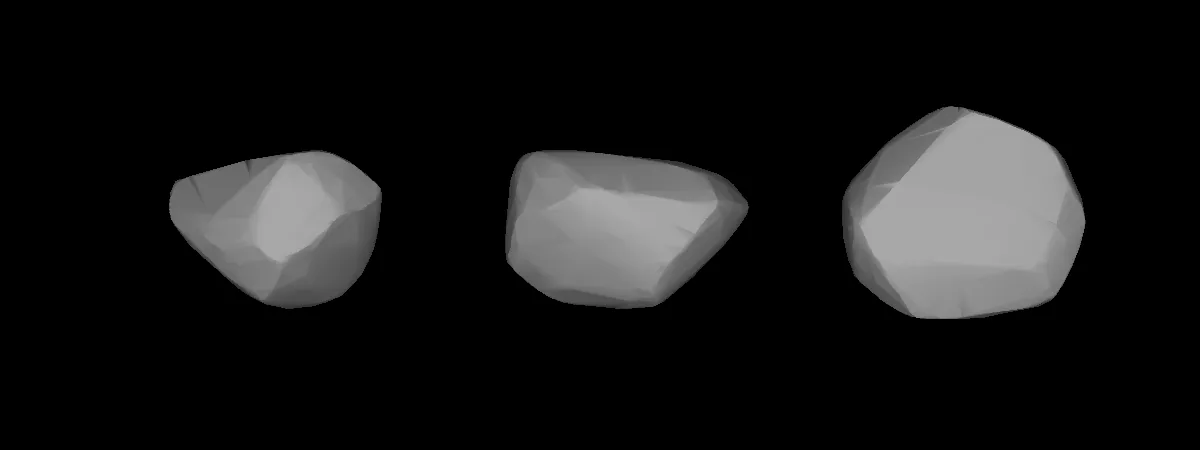
Nausikaa is an S-type asteroid – stony, rather than the carbon-rich material that dominates the belt’s outer reaches – and specifically an Sl-type in the more detailed SMASS scheme, meaning its spectrum carries an especially strong signature of olivine. That clean, crystalline silicate surface is also why it’s one of the brighter objects on tonight’s list: its albedo runs somewhere around 0.23 to 0.26 depending on which survey you check, well above Metis’s notably darker 0.118, and a real part of why Nausikaa punches above its size at opposition. It’s also a genuinely elongated body: roughly 103 by 90 kilometers, tumbling through a slow 13.6-hour rotation, more than twice as long as Metis’s day. Its orbit is moderately eccentric (about 0.245 – noticeably more elongated than Metis’s 0.12), which is part of why its opposition brightness varies more from apparition to apparition than a more circular orbit would allow. There’s also a small, unresolved mystery attached to it: lightcurve observations in 1985 hinted at a possible companion, tentatively orbiting every 4.6 days at a distance of roughly 1,100 km, but nothing has ever confirmed it. As far as anyone knows today, it’s still just Nausikaa out there – but “as far as anyone knows” is doing some real work in that sentence.
Orbit and Ephemeris
Nausikaa reached opposition on September 30, 2026, peaking around magnitude 8.4 in Pisces. It’s fading gradually rather than dropping off a cliff – there’s still a real window to catch it. And there’s a good reason to not skip it: this year’s opposition is particularly close; the next as-favorable opposition isn’t until December 2045!
Full ephemeris, Oct 1 -- Nov 30
| Date 3h UT | RA / Dec | Az. / Alt. | Air | Mag. | Sun | Earth |
|---|---|---|---|---|---|---|
| 2026-Oct-01 | 00 16 58.30 +08 40 23.7 | 142.61 50.72 | 1.290 | 8.453 | 1.82 | 0.82 |
| 2026-Oct-04 | 00 14 07.41 +08 42 13.9 | 147.87 52.29 | 1.263 | 8.505 | 1.82 | 0.82 |
| 2026-Oct-07 | 00 11 21.24 +08 43 13.7 | 153.43 53.63 | 1.241 | 8.597 | 1.81 | 0.82 |
| 2026-Oct-10 | 00 08 42.83 +08 43 35.7 | 159.25 54.70 | 1.224 | 8.700 | 1.81 | 0.83 |
| 2026-Oct-13 | 00 06 15.06 +08 43 34.0 | 165.26 55.50 | 1.212 | 8.806 | 1.81 | 0.83 |
| 2026-Oct-16 | 00 04 00.53 +08 43 22.5 | 171.37 56.02 | 1.205 | 8.911 | 1.81 | 0.84 |
| 2026-Oct-19 | 00 02 01.43 +08 43 14.8 | 177.48 56.27 | 1.201 | 9.015 | 1.81 | 0.85 |
| 2026-Oct-22 | 00 00 19.55 +08 43 23.2 | 183.50 56.25 | 1.202 | 9.118 | 1.81 | 0.87 |
| 2026-Oct-25 | 23 58 56.24 +08 43 58.8 | 189.34 55.99 | 1.205 | 9.220 | 1.82 | 0.88 |
| 2026-Oct-28 | 23 57 52.44 +08 45 11.1 | 194.93 55.51 | 1.212 | 9.319 | 1.82 | 0.90 |
| 2026-Oct-31 | 23 57 08.78 +08 47 08.3 | 200.24 54.84 | 1.222 | 9.418 | 1.82 | 0.91 |
| 2026-Nov-03 | 23 56 45.69 +08 49 58.1 | 205.23 54.02 | 1.235 | 9.515 | 1.82 | 0.93 |
| 2026-Nov-06 | 23 56 43.43 +08 53 47.7 | 209.89 53.06 | 1.250 | 9.610 | 1.82 | 0.95 |
| 2026-Nov-09 | 23 57 02.05 +08 58 43.6 | 214.24 52.01 | 1.267 | 9.703 | 1.82 | 0.97 |
| 2026-Nov-12 | 23 57 41.36 +09 04 50.6 | 218.28 50.89 | 1.287 | 9.795 | 1.82 | 1.00 |
| 2026-Nov-15 | 23 58 40.95 +09 12 12.2 | 222.05 49.71 | 1.310 | 9.884 | 1.83 | 1.02 |
| 2026-Nov-18 | 00 00 00.22 +09 20 50.2 | 225.55 48.49 | 1.334 | 9.972 | 1.83 | 1.05 |
| 2026-Nov-21 | 00 01 38.41 +09 30 45.1 | 228.82 47.26 | 1.360 | 10.057 | 1.83 | 1.07 |
| 2026-Nov-24 | 00 03 34.68 +09 41 56.0 | 231.88 46.01 | 1.388 | 10.140 | 1.83 | 1.10 |
| 2026-Nov-27 | 00 05 48.13 +09 54 21.3 | 234.75 44.76 | 1.418 | 10.221 | 1.83 | 1.13 |
| 2026-Nov-30 | 00 08 17.93 +10 07 59.3 | 237.45 43.51 | 1.450 | 10.300 | 1.84 | 1.15 |
2 Pallas: Lurking in the Outer Reaches of the Main Belt
Pallas’s discovery only makes sense with a bit of backstory. In 1800, a group of German astronomers who’d nicknamed themselves the “Celestial Police” organized a systematic hunt for a planet that was supposed to exist between Mars and Jupiter – predicted by the Titius-Bode law, the same rough formula that had correctly called Uranus’s distance in 1781. They divided the zodiac into 24 fifteen-degree zones and assigned one to each astronomer. Giuseppe Piazzi wasn’t even a member yet when he beat all of them to it, spotting Ceres by chance on New Year’s Day 1801 while compiling an unrelated star catalog.
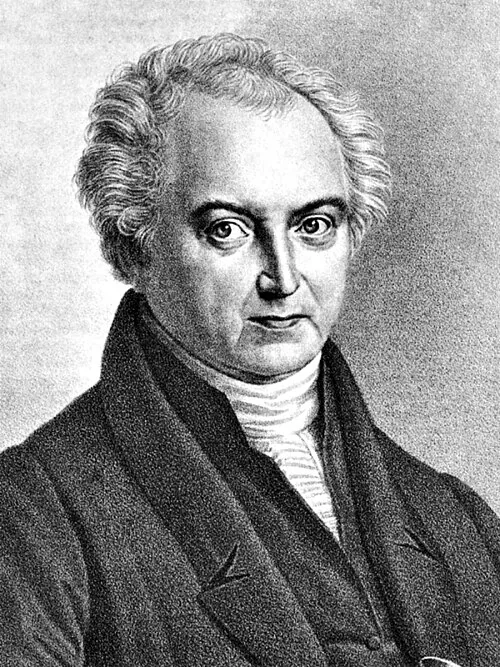
Ceres fit the predicted distance, but was disappointingly small and faint for a “planet.” Heinrich Wilhelm Olbers – observing from a rooftop observatory at his own home in Bremen – was tracking Ceres to refine its orbit when, on March 28, 1802, he noticed a second object nearby: Pallas. Two bodies sharing roughly the same orbit undercut the whole premise of a single missing planet, and it was this discovery that pushed William Herschel to coin a new word for them: “asteroid.”
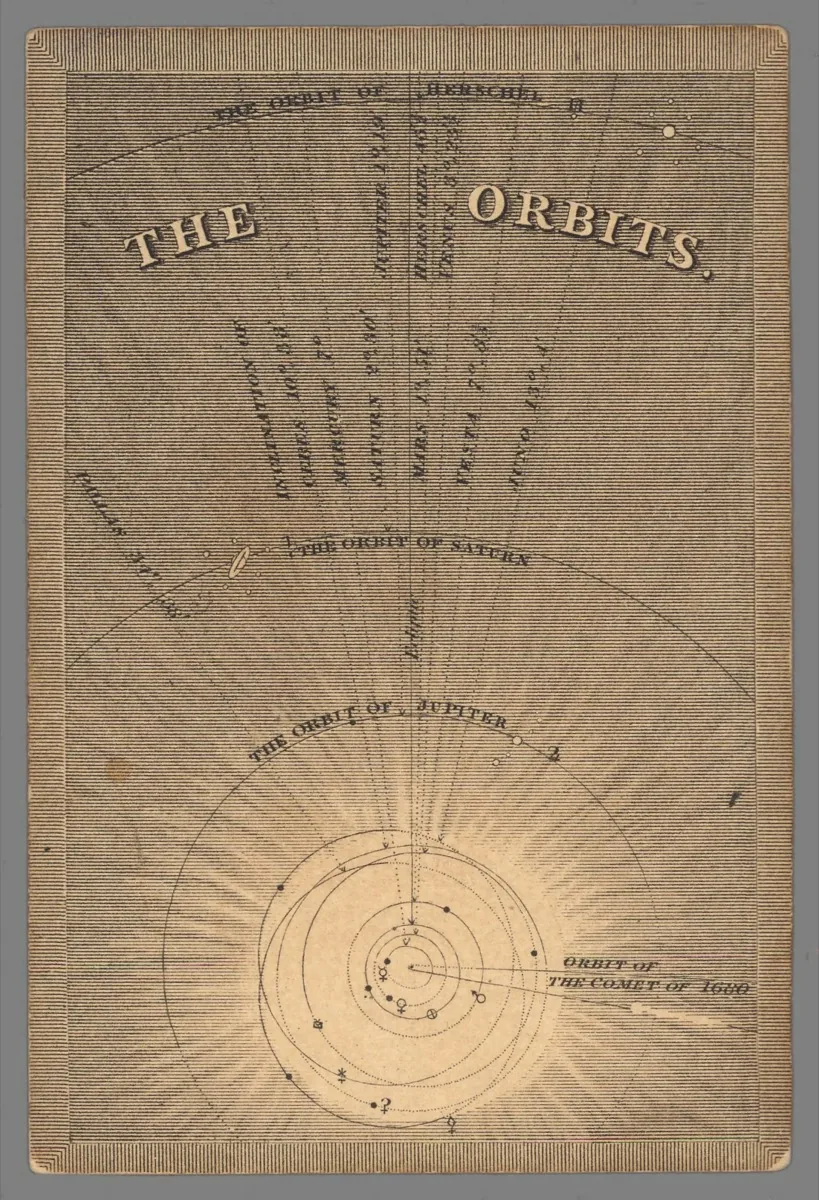
Olbers had his own explanation, and it’s a good one even though it turned out to be wrong: he proposed that Ceres and Pallas were fragments of a single, larger planet, shattered by an ancient collision with a comet. If that were true, he reasoned, more fragments should turn up near the points where the two objects’ orbits crossed – and searching exactly there is how he found Vesta himself, five years later, in 1807. (As the overview above lays out, we know now that the asteroid belt isn’t the wreckage of a planet that broke apart – it’s material that never finished building one, or possibly material swept in from elsewhere entirely. Wrong theory, right discovery either way.)
Olbers wasn’t finished making a mark on astronomy, either – he’s also the namesake of Olbers' Paradox: the question of why the night sky is dark at all, if the universe is infinite and eternally full of stars, since every line of sight should eventually land on one. (The short answer is that the universe isn’t infinitely old – there’s a horizon set by the finite speed of light and the finite time since everything began, so most of that starlight simply hasn’t reached us, and much of what has is redshifted out of visibility.)
Pallas itself is the third-largest asteroid by both mass and volume, behind only Ceres (now classified as a dwarf planet) and Vesta, and like Ceres it’s thought to be a genuine leftover protoplanet – a building block that never finished building. Its composition backs that up: Pallas is a B-type asteroid, a rarer, more primitive offshoot of the carbon-rich C-type family, with a surface spectrum close to carbonaceous chondrite meteorites but distinctly bluer, and carrying more hydrated minerals than a typical C-type. That’s evidence of a surface once altered by liquid water, early enough in the solar system’s history that Pallas may have briefly had wet chemistry going on before it froze into the body we see today.
Why It’s Worth the Chase
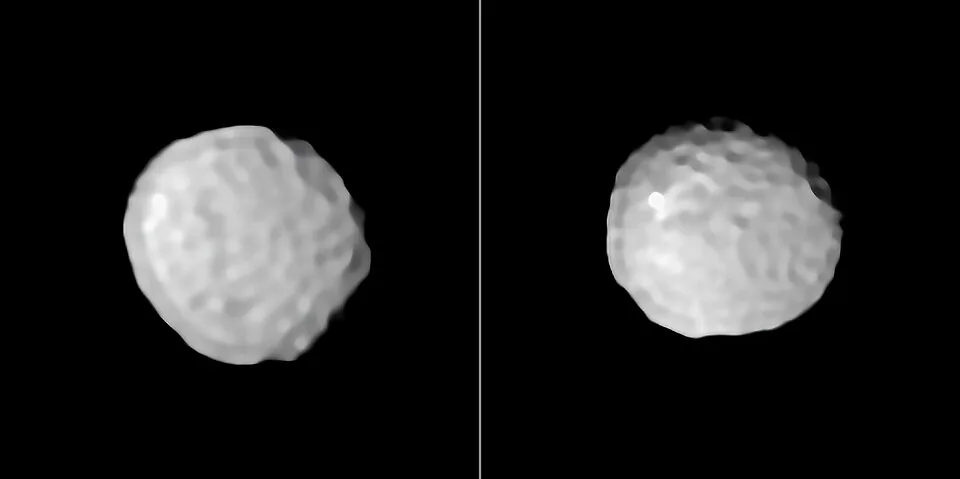
It’s tempting to guess the tilt itself is a collision scar – the same story usually told about Uranus’s sideways spin or Venus’s backwards rotation, both generally blamed on a single ancient impact. For Pallas specifically, the actual research runs the other way. The VLT survey behind the images on this page (Marsset et al., the same 2020 study that revealed the “golf ball” surface) found that the inclination and eccentricity came first, and that they’re the reason the impacts were so violent: plowing through the belt at that steep an angle means every collision lands two to three times harder than an equivalent hit on Vesta or Ceres. The tilt caused the cratering, not the other way around. There was a genuinely massive collision in Pallas’s past – roughly 1.7 billion years ago, from an impactor 20-40 kilometers across – but the evidence ties it to the trailing family of smaller Pallas fragments, not to any documented shift in Pallas’s own orbit. The pattern does show up elsewhere in the belt: 31 Euphrosyne’s own scattered family of some 2,000 fragments really is linked to a collision, and really does cluster at high inclination. But that’s a story about debris thrown clear after a breakup, not the primary body itself getting knocked onto a new plane – so where Pallas’s own tilt actually came from is still, genuinely, an open question.
Orbit and Ephemeris
Pallas reaches opposition on October 4, 2026, at magnitude 8.2 in Cetus – the same constellation Vesta will be in nine days later, so if you’ve already found one, you’ve already learned the neighborhood for the other.
Full ephemeris, Oct 1 -- Nov 30
| Date 3h UT | RA / Dec | Az. / Alt. | Air | Mag. | Sun | Earth |
|---|---|---|---|---|---|---|
| 2026-Oct-01 | 01 26 23.22 -12 33 10.9 | 136.41 23.80 | 2.463 | 8.288 | 2.82 | 1.86 |
| 2026-Oct-04 | 01 24 15.16 -13 22 32.1 | 140.10 24.80 | 2.370 | 8.267 | 2.81 | 1.86 |
| 2026-Oct-07 | 01 22 01.36 -14 10 47.0 | 143.85 25.68 | 2.295 | 8.259 | 2.81 | 1.85 |
| 2026-Oct-10 | 01 19 43.22 -14 57 35.5 | 147.66 26.44 | 2.235 | 8.264 | 2.80 | 1.85 |
| 2026-Oct-13 | 01 17 22.23 -15 42 38.5 | 151.52 27.07 | 2.187 | 8.281 | 2.79 | 1.85 |
| 2026-Oct-16 | 01 14 59.99 -16 25 38.5 | 155.41 27.57 | 2.151 | 8.307 | 2.78 | 1.85 |
| 2026-Oct-19 | 01 12 38.07 -17 06 20.2 | 159.30 27.92 | 2.126 | 8.340 | 2.78 | 1.86 |
| 2026-Oct-22 | 01 10 18.04 -17 44 30.7 | 163.19 28.15 | 2.111 | 8.378 | 2.77 | 1.86 |
| 2026-Oct-25 | 01 08 01.42 -18 19 59.5 | 167.06 28.23 | 2.105 | 8.419 | 2.76 | 1.87 |
| 2026-Oct-28 | 01 05 49.60 -18 52 38.6 | 170.88 28.19 | 2.108 | 8.463 | 2.76 | 1.89 |
| 2026-Oct-31 | 01 03 43.93 -19 22 21.7 | 174.65 28.02 | 2.120 | 8.508 | 2.75 | 1.90 |
| 2026-Nov-03 | 01 01 45.68 -19 49 04.5 | 178.35 27.73 | 2.140 | 8.554 | 2.74 | 1.92 |
| 2026-Nov-06 | 00 59 56.07 -20 12 44.2 | 181.97 27.33 | 2.168 | 8.600 | 2.73 | 1.93 |
| 2026-Nov-09 | 00 58 16.24 -20 33 20.3 | 185.50 26.82 | 2.206 | 8.647 | 2.73 | 1.95 |
| 2026-Nov-12 | 00 56 47.18 -20 50 54.4 | 188.93 26.22 | 2.252 | 8.693 | 2.72 | 1.98 |
| 2026-Nov-15 | 00 55 29.71 -21 05 30.0 | 192.26 25.54 | 2.307 | 8.738 | 2.71 | 2.00 |
| 2026-Nov-18 | 00 54 24.50 -21 17 12.4 | 195.49 24.78 | 2.372 | 8.783 | 2.71 | 2.02 |
| 2026-Nov-21 | 00 53 32.02 -21 26 07.7 | 198.62 23.95 | 2.449 | 8.827 | 2.70 | 2.05 |
| 2026-Nov-24 | 00 52 52.60 -21 32 23.1 | 201.64 23.05 | 2.536 | 8.869 | 2.69 | 2.08 |
| 2026-Nov-27 | 00 52 26.42 -21 36 06.0 | 204.55 22.11 | 2.637 | 8.911 | 2.68 | 2.10 |
| 2026-Nov-30 | 00 52 13.59 -21 37 23.5 | 207.37 21.12 | 2.753 | 8.950 | 2.68 | 2.13 |
4 Vesta: the Brightest Main-Belt Asteroid
Vesta’s discoverer was already a familiar name by 1807: Heinrich Wilhelm Olbers, the same person behind Pallas five years earlier, still searching for fragments of his hypothesized shattered planet. He didn’t name this one himself, either – by then it had become something of a tradition to let a distinguished colleague do the honors, so he handed the privilege to Carl Friedrich Gauss, who picked Vesta, the Roman goddess of the hearth.
Why It’s Worth the Chase
Orbit and Ephemeris
Vesta’s own orbit, for what it’s worth, is comparatively unremarkable next to Pallas’s – a modest 7.1-degree inclination, well within the range most of its neighbors share.
Vesta reaches opposition on October 13, 2026, peaking around magnitude 6.5 in Cetus. It brightens steadily through the first two weeks of October and fades gradually afterward – there’s no need to catch it on the exact night of opposition.
Full ephemeris, Oct 1 -- Nov 30
| Date 3h UT | RA / Dec | Az. / Alt. | Air | Mag. | Sun | Earth |
|---|---|---|---|---|---|---|
| 2026-Oct-01 | 01 41 14.38 -02 11 23.9 | 126.49 30.36 | 1.971 | 6.502 | 2.47 | 1.49 |
| 2026-Oct-04 | 01 38 38.06 -02 29 51.2 | 130.14 32.20 | 1.871 | 6.458 | 2.46 | 1.48 |
| 2026-Oct-07 | 01 35 54.74 -02 47 44.5 | 133.97 33.94 | 1.786 | 6.422 | 2.46 | 1.48 |
| 2026-Oct-10 | 01 33 06.24 -03 04 50.6 | 137.96 35.57 | 1.715 | 6.397 | 2.47 | 1.48 |
| 2026-Oct-13 | 01 30 14.55 -03 20 56.3 | 142.13 37.07 | 1.655 | 6.391 | 2.47 | 1.48 |
| 2026-Oct-16 | 01 27 21.69 -03 35 49.4 | 146.46 38.42 | 1.606 | 6.408 | 2.47 | 1.49 |
| 2026-Oct-19 | 01 24 29.70 -03 49 19.2 | 150.93 39.62 | 1.565 | 6.443 | 2.47 | 1.49 |
| 2026-Oct-22 | 01 21 40.54 -04 01 16.4 | 155.52 40.65 | 1.532 | 6.492 | 2.48 | 1.50 |
| 2026-Oct-25 | 01 18 56.04 -04 11 33.4 | 160.21 41.50 | 1.507 | 6.548 | 2.48 | 1.51 |
| 2026-Oct-28 | 01 16 17.91 -04 20 04.5 | 164.99 42.15 | 1.488 | 6.608 | 2.48 | 1.53 |
| 2026-Oct-31 | 01 13 47.67 -04 26 45.2 | 169.78 42.62 | 1.474 | 6.671 | 2.48 | 1.55 |
| 2026-Nov-03 | 01 11 26.78 -04 31 31.8 | 174.58 42.90 | 1.467 | 6.735 | 2.48 | 1.56 |
| 2026-Nov-06 | 01 09 16.54 -04 34 22.0 | 179.34 42.99 | 1.464 | 6.800 | 2.49 | 1.58 |
| 2026-Nov-09 | 01 07 18.16 -04 35 14.4 | 184.04 42.90 | 1.467 | 6.865 | 2.49 | 1.61 |
| 2026-Nov-12 | 01 05 32.60 -04 34 09.3 | 188.64 42.64 | 1.474 | 6.930 | 2.49 | 1.63 |
| 2026-Nov-15 | 01 04 00.65 -04 31 08.6 | 193.12 42.23 | 1.485 | 6.995 | 2.49 | 1.66 |
| 2026-Nov-18 | 01 02 42.85 -04 26 15.2 | 197.46 41.67 | 1.502 | 7.060 | 2.50 | 1.69 |
| 2026-Nov-21 | 01 01 39.55 -04 19 33.0 | 201.64 40.98 | 1.522 | 7.124 | 2.50 | 1.72 |
| 2026-Nov-24 | 01 00 50.90 -04 11 06.5 | 205.66 40.18 | 1.547 | 7.187 | 2.50 | 1.75 |
| 2026-Nov-27 | 01 00 16.91 -04 01 00.9 | 209.51 39.29 | 1.576 | 7.249 | 2.50 | 1.78 |
| 2026-Nov-30 | 00 59 57.47 -03 49 20.8 | 213.20 38.30 | 1.610 | 7.310 | 2.50 | 1.81 |
Observing
Binoculars
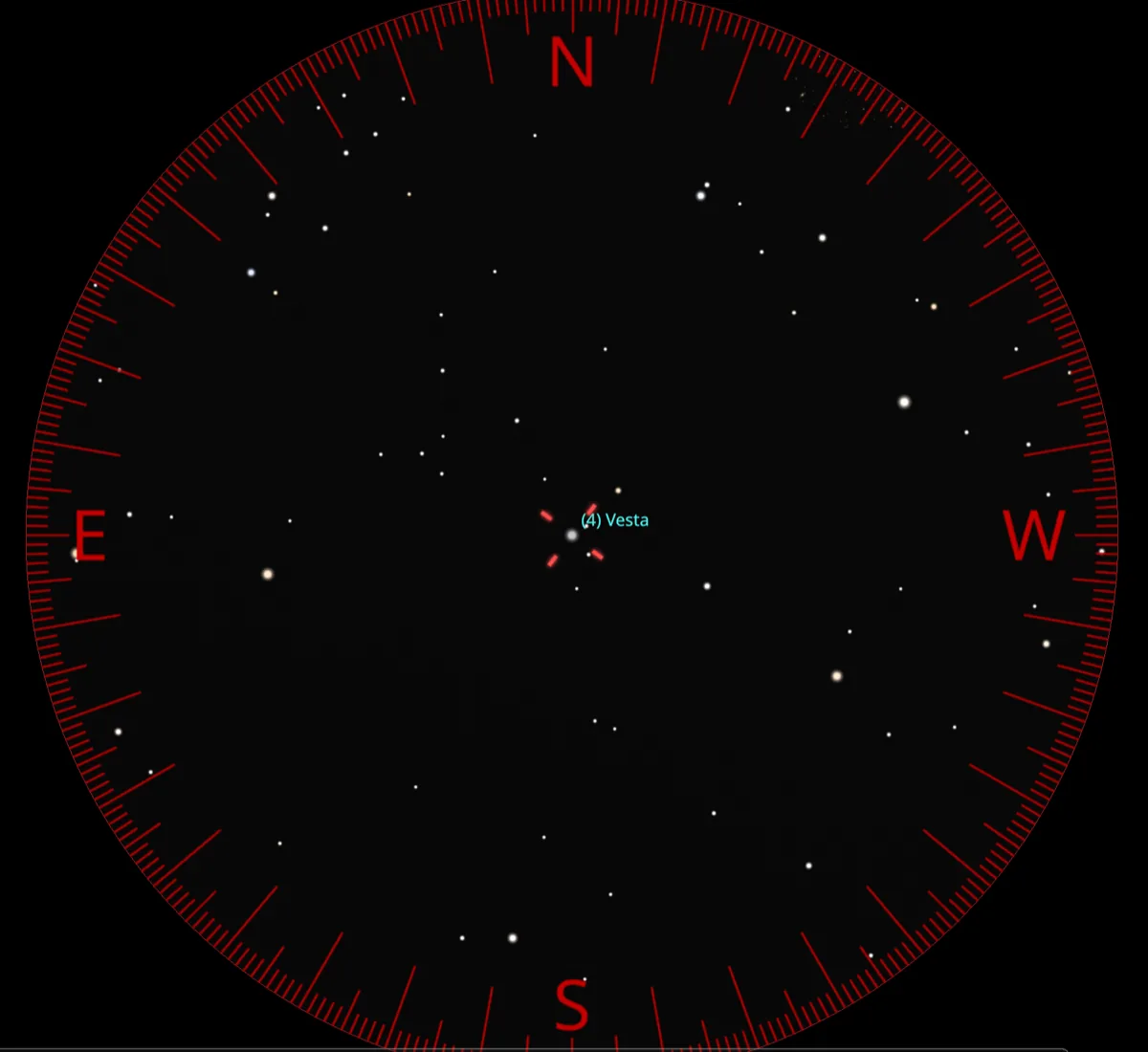
Vesta alone is worth pulling out a pair of 10x50s for. At magnitude 6.5 and brightening toward opposition, it’s within reach of ordinary binoculars from a reasonably dark sky – no telescope required to actually see it, just patience for the star-hop and the same night-to-night comparison trick described below to confirm you’ve really got it. Pallas, brightness-wise, is technically in range too, but it’s a noticeably harder catch: fainter, and a less forgiving star-hop from anywhere with real light pollution. Metis and Nausikaa, both fading past magnitude 8.5, are telescope targets.
Telescope
All four targets are within reach of a modest telescope from a reasonably dark sky – nothing here needs serious aperture. Vesta and Pallas, both comfortably above magnitude 8.5, are the easiest; Metis and Nausikaa, fading toward magnitude 9-10, reward a slightly darker site and a bit more patience.
Smart Scopes
Smart Scope Snapshots
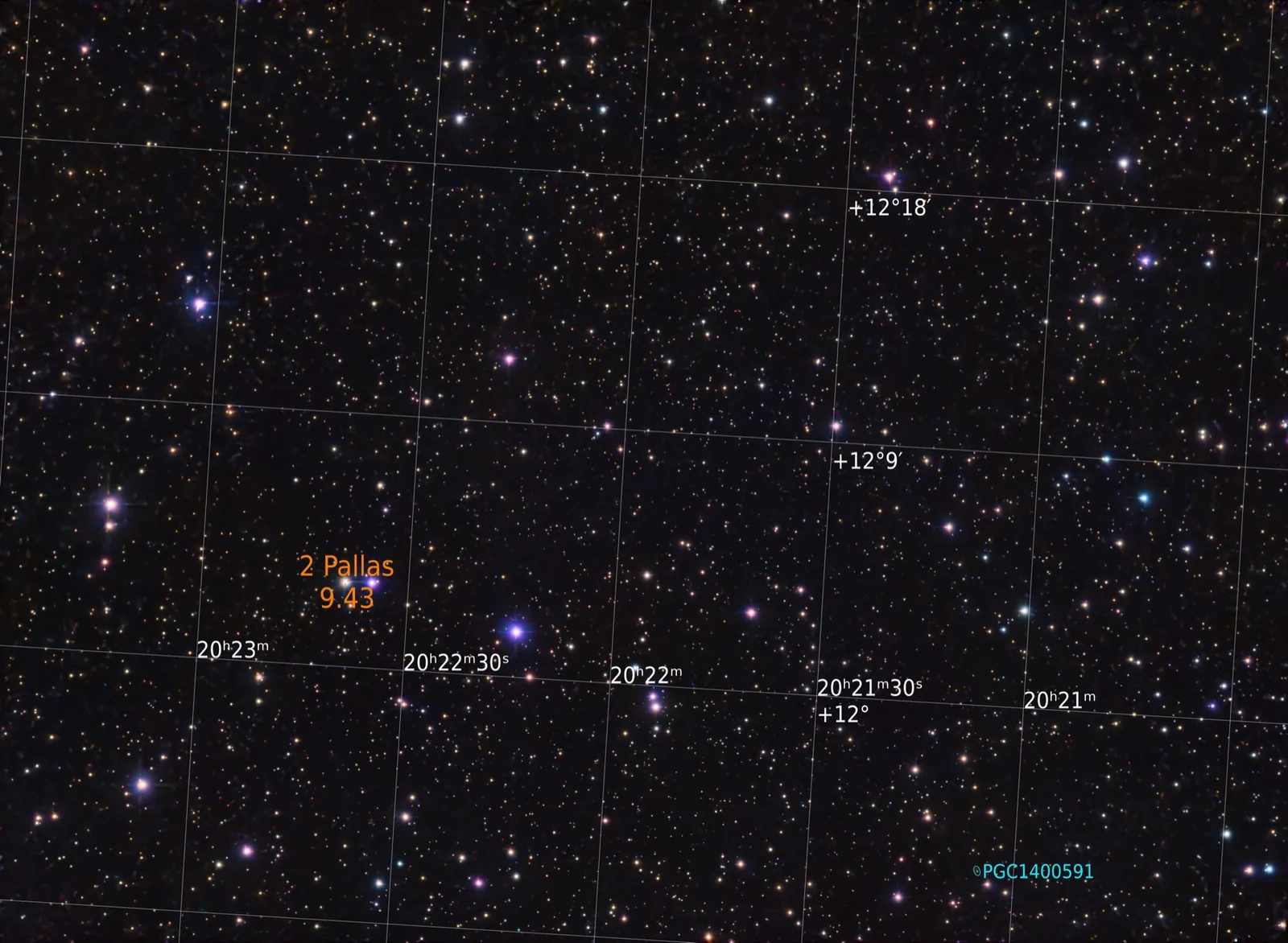
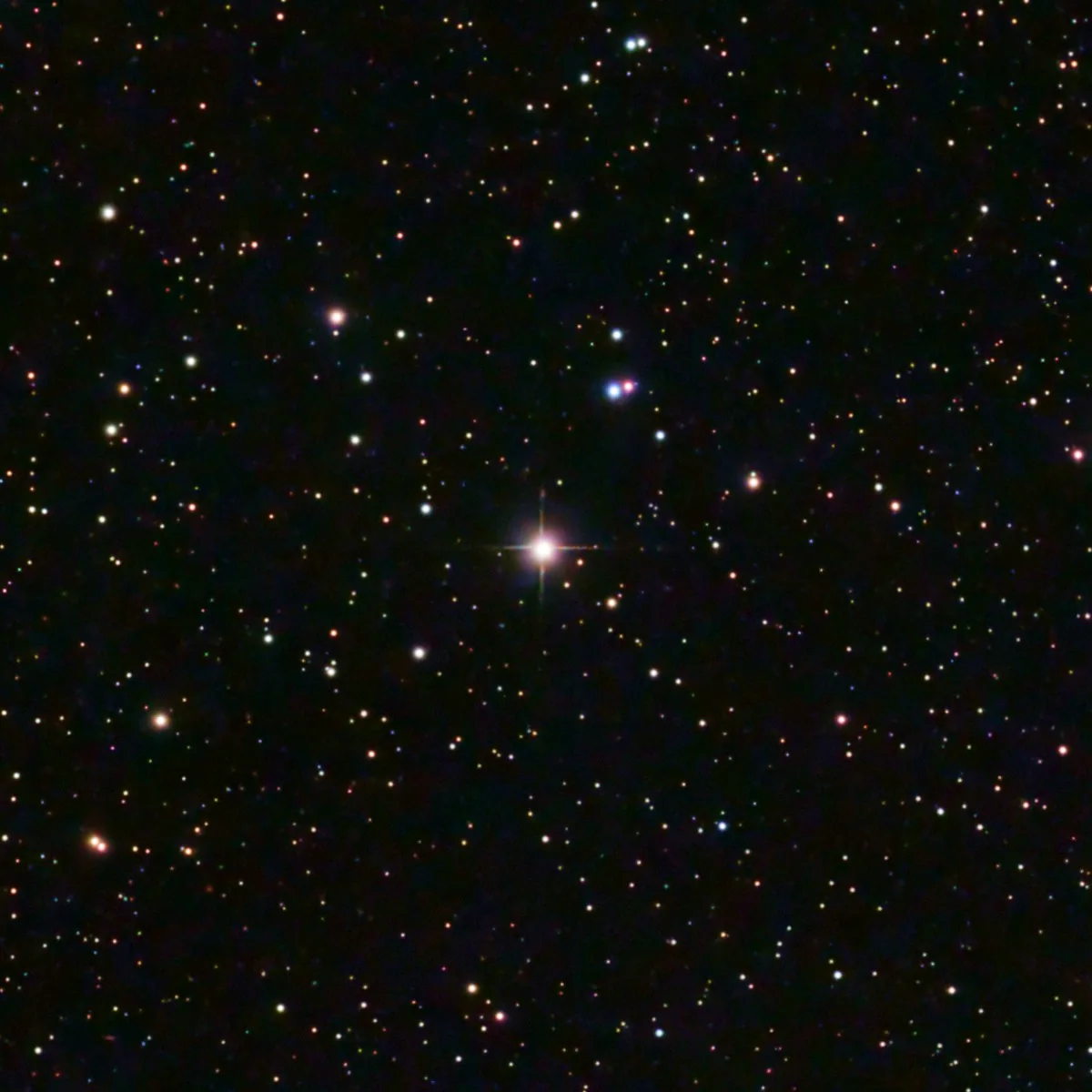
This is close to ideal smart-scope territory: point, stack a short sequence, and let the software do the work of pulling a faint, star-like point out of the background. None of these four need narrowband filtering or long individual exposures – they’re not nebulae, just faint points that benefit from a bit of integration time.
Confirming What You’re Looking At
An asteroid doesn’t look any different from a star in a single image – a good “old school” way to be sure you’ve actually got it is to prove it moved. Note the field, or better, take a quick image, then come back a night or two later and compare. Every star will have stayed exactly where it was. The asteroid won’t have. (Of course you can also check the field with planetarium apps like Stellarium.)
Wrapup
Four points of light, four completely different stories: a possibly-not-quite-a-protoplanet whose own core just became a genuine mystery, the most steeply tilted orbit of any large asteroid, a fragment found with the small telescope at an observatory famous for its giant one, and a body named for a moment of kindness in a three-thousand-year-old poem. None of that is visible in the eyepiece. All of it is true anyway, and once you know it, that point of light doesn’t look quite so plain the next time you find it.