🎤 Public Lecture: Adams Free Library, Oct 8th
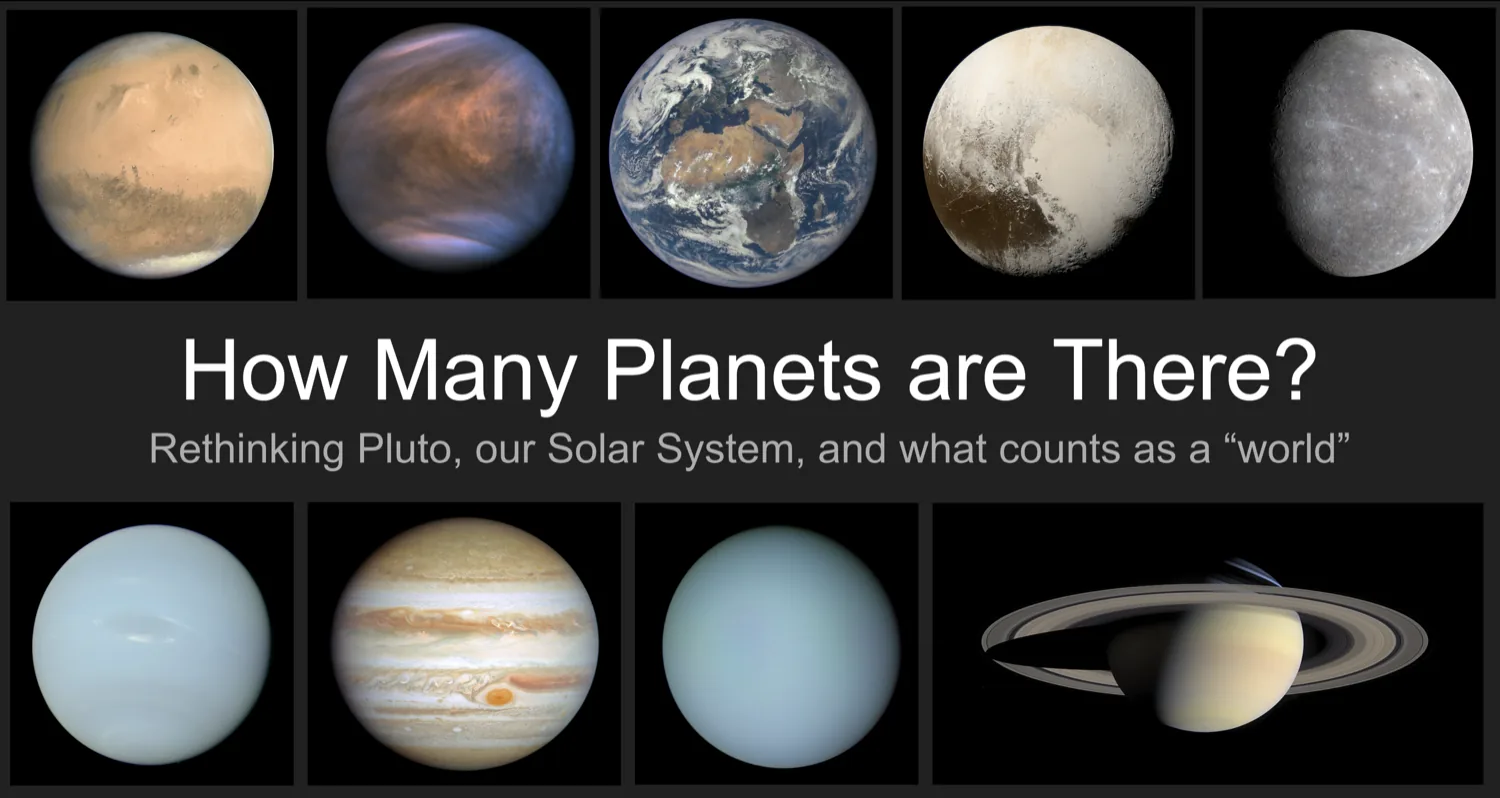
Join us October 8 at 6:30 PM at the Adams Free Library for a public talk on the planets — and their most famous non-planet, Pluto. Free and open to everyone.
Adams Free Library 92 Park St. Adams, MA 01220
🔭 Saturn at Opposition, a Vanishing Jupiter
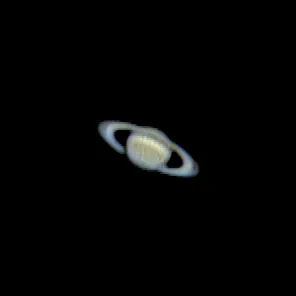
Saturn reaches opposition on October 4 — its biggest, brightest, and best night of the year to observe, with the rings once again on full display. If you missed it, check out our Saturn Returns! article! At opposition, Saturn shines at mag +0.3, at a distance of 8.43 AU (783.7 million miles); the light you see took 70.2 minutes to reach us! Its angular size is also at maximum: 19.7" (45.9" if you include the rings).
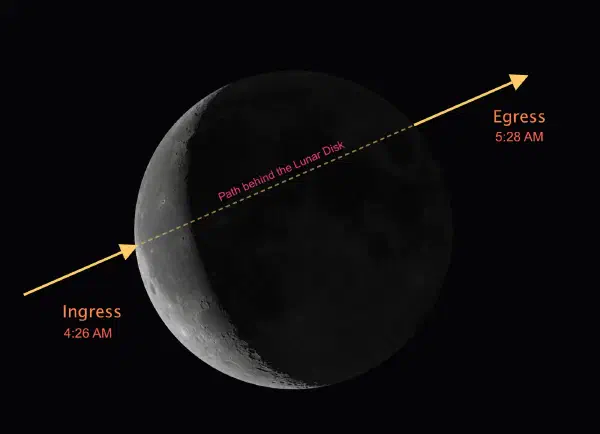
Early risers should also mark October 6: the Moon passes directly in front of Jupiter in a lunar occultation, with Jupiter disappearing behind the Moon’s limb at approximately 4:23 AM and reappearing around 5:28 AM Eastern time. Additional details are in the Planet Watch article.
🌠 Orionid Meteor Shower - October 21-22
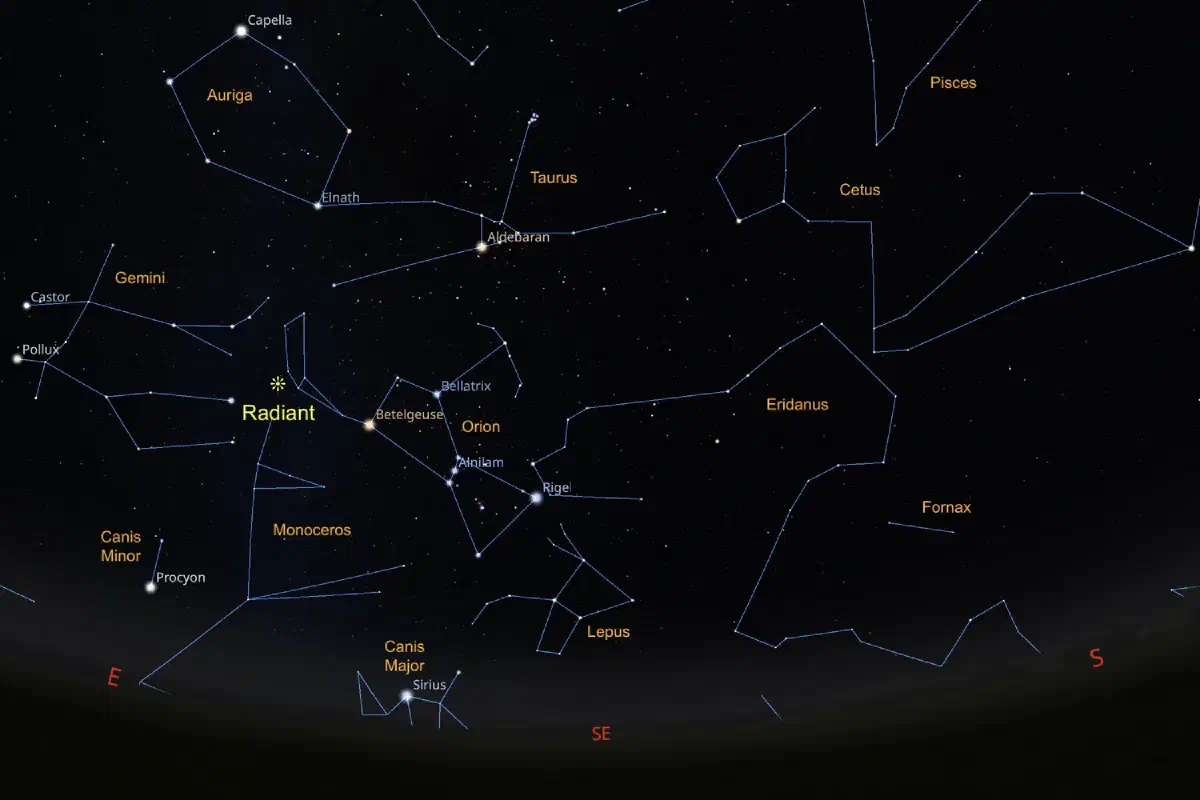
And don’t miss the Orionids — debris from Halley’s Comet, and one of the more reliable meteor showers of the year.
🪐 Asteroid Season
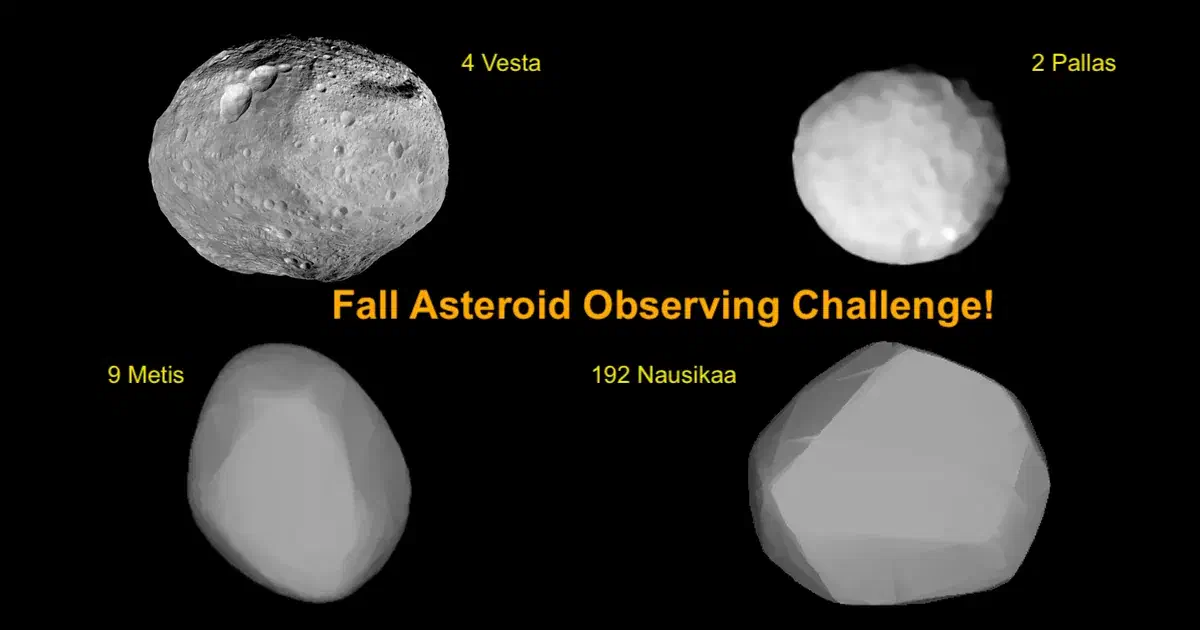
Three asteroids reach opposition this month, all within reach of a small telescope: 2 Pallas and 4 Vesta (Oct 4 and Oct 13), and Eris (Oct 18) — the last of which gets a full writeup in our What’s Up: Outer Planets piece later this month.
🌐 What’s Happening on Our Website
Here are a few upcoming articles to look for in October:
Oct 4, 2026: Observing Challenge! Fall Asteroids! – Sitting down on the southern horizon is a nearby, young but interesting stellar system
Oct 10, 2026: Fomalhaut - the Lonely Star – Sitting down on the southern horizon is a nearby, young but interesting stellar system
Oct 12, 2026: Spooky Astronomy - Objects for Halloween – 13 objects with 'spooky' nicknames for Halloween!
Oct 15, 2026: What’s Up: Outer Planets – From the easiest planet in the sky to the hardest dwarf planet in the solar system — all in one patch of October sky.
Oct 18, 2026: NGC 253: The Silver Coin Caroline Found – Out in the dim southern fall sky, but a bright neighbor worth the hunt
Oct 20, 2026: Why Do Variable Stars Do That? – An advanced quiz on the mechanisms behind ten kinds of variable stars — not recognizing light curves, but understanding why each one behaves the way it does.
Oct 26, 2026: Stephan’s Quintet: A Portrait With One Photobomber – A popular deep-sky system of interacting galaxies… and one “photobomber”
Oct 29, 2026: Measuring Brightness: the Magnitude System – A two-thousand-year-old ranking system, one very good fix in 1856, and the math that lets you compare a firefly to the Sun.
📸 This Month’s Image
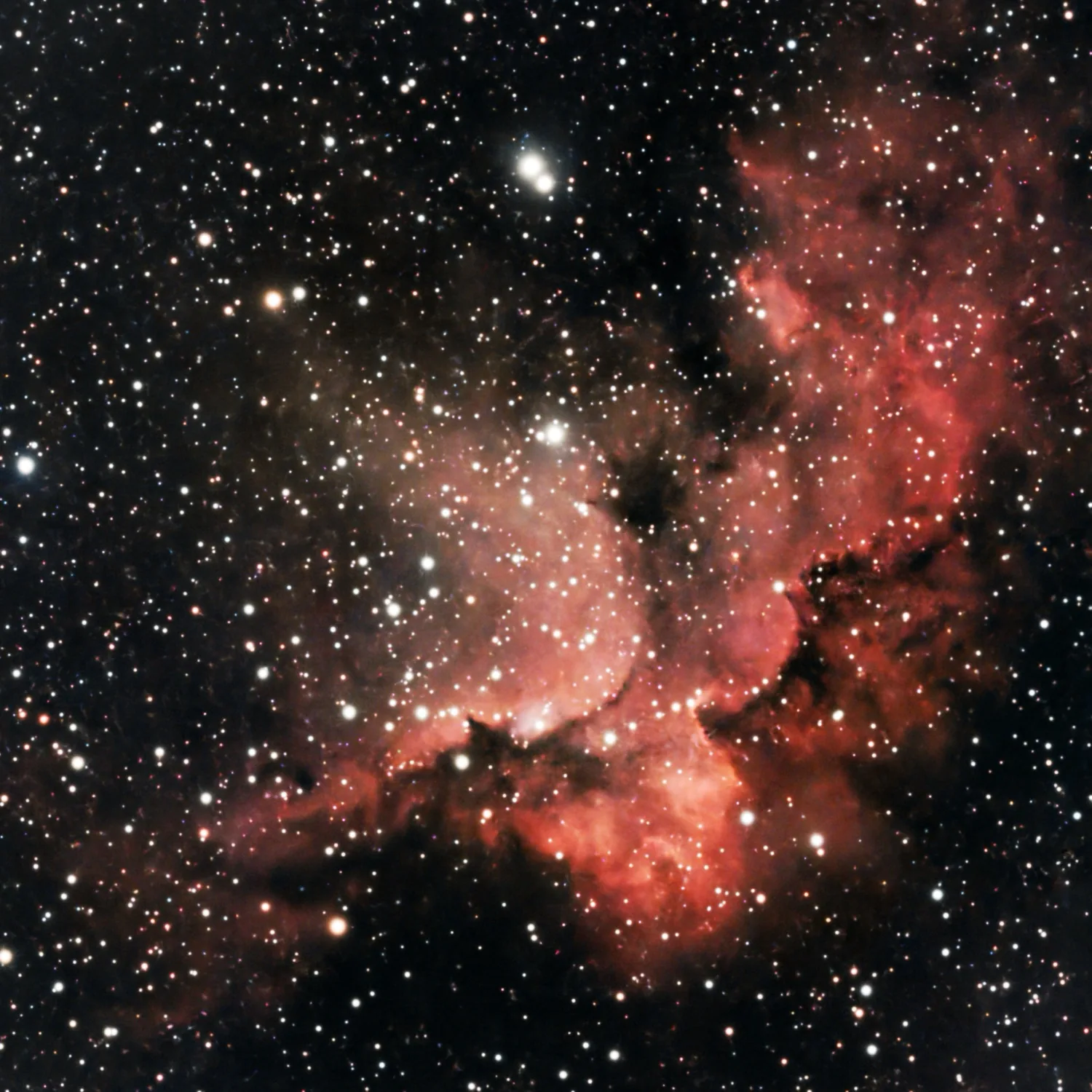
NGC 7380, discovered by Caroline Herschel in 1787, is a young open cluster wrapped in the glowing nebulosity that gives it its nickname: the Wizard Nebula. Sitting roughly 8,500 light-years away in Cepheus, its silhouette is carved by radiation and stellar winds from a pair of massive young stars at its heart. It’s a rewarding imaging target, though its faint nebulosity is a tough visual catch even in a telescope — usually needing dark skies and a narrowband filter to see directly.
Here’s another case where I “doubled my fun” using two Seestar S50s (Ellen and Elusippe) on the same target at the same time. Being able to image for over an hour really improves the contrast of the fainter outer parts against the background sky.
✨ Monthly Starmap
To help you navigate the night sky this month, we’ve provided a high-resolution starmap. The PNG is great for quick viewing, while the PDF is optimized for sharp home printing.
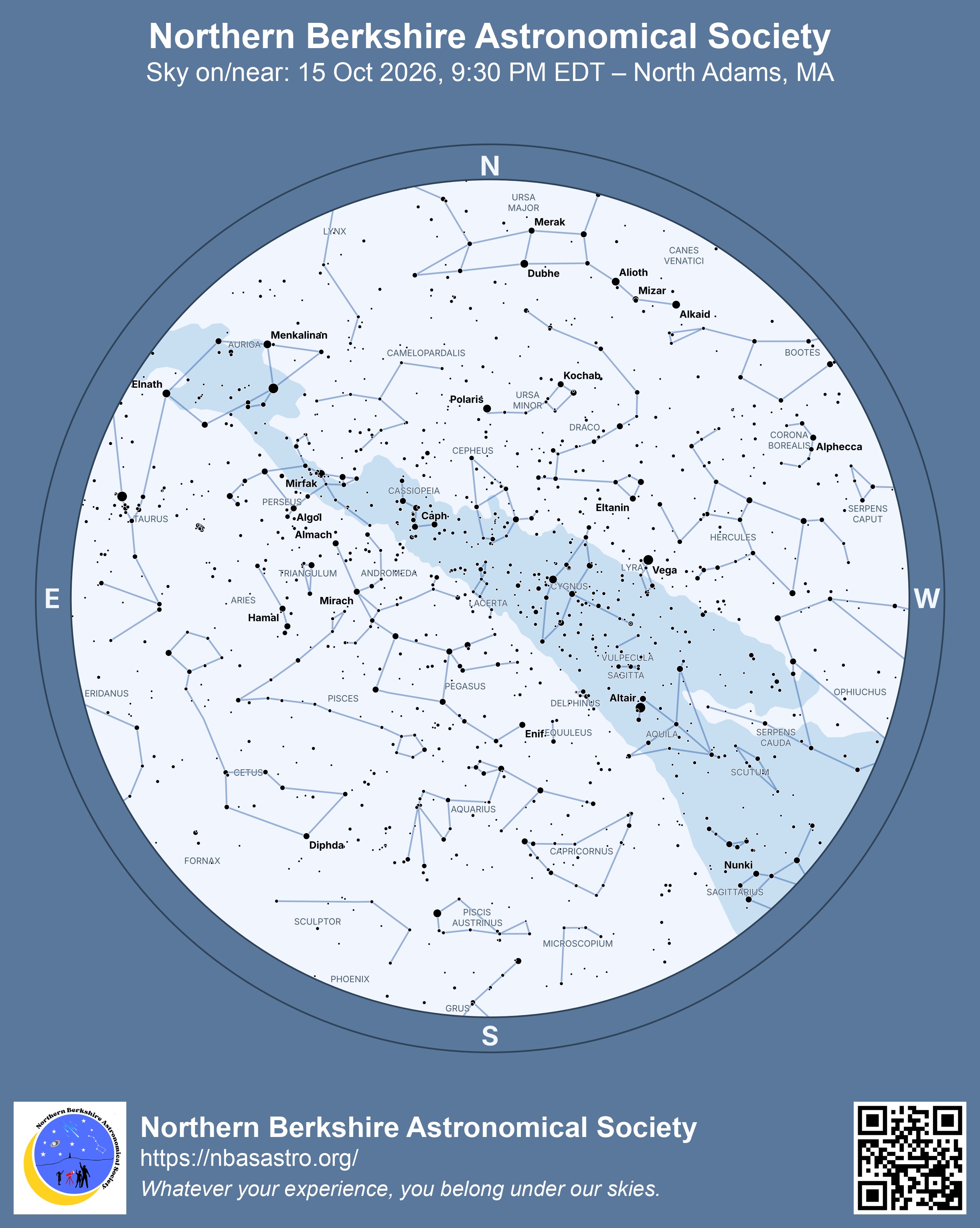
October 2026 Reference Starmap
Reference chart (no planets) — optimized for sharp home printing.
📥 Download Chart (Print Ready)