Introduction
With autumn in force, longer nights, crisper air, comes Halloween, and there are plenty of “treats” to find in the skies above. Coincidentally, 13 objects (enough to cause triskaidekaphobes to shudder) have nicknames that align with these “spooky” times.
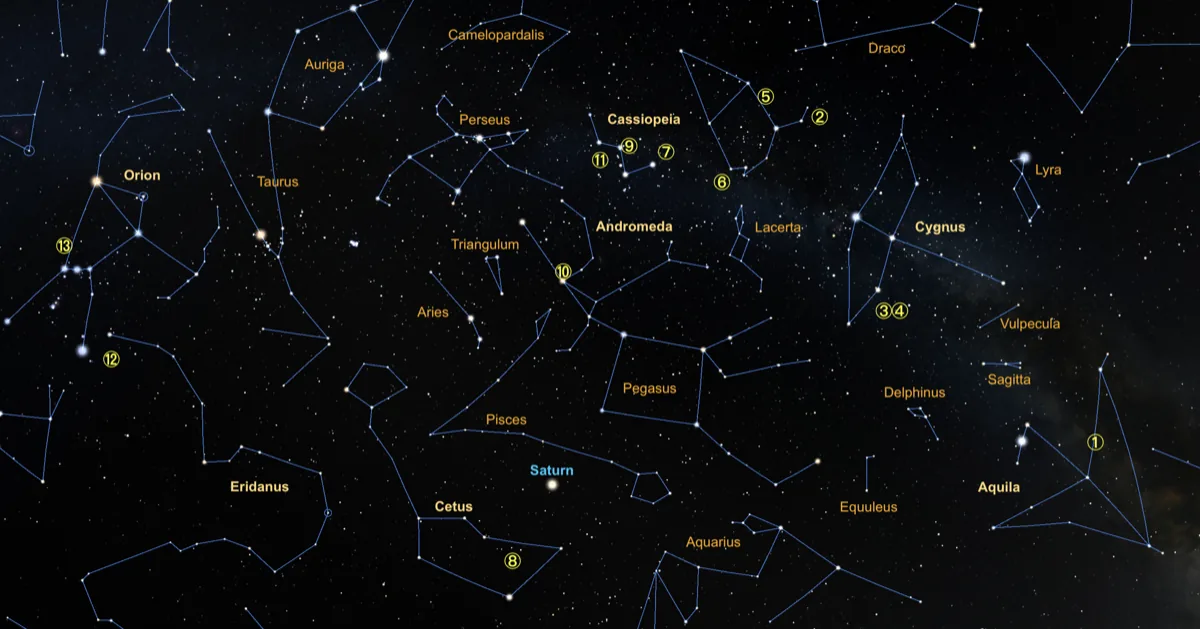
Every one of the 13 objects below has picked up a nickname somewhere along the way – ghosts, a witch (twice, different body parts), a wizard, a skull, a bat, a widow’s web. None of that reflects anything they actually have in common astrophysically; a planetary nebula, a supernova remnant, an open cluster, and a whole separate galaxy have about as little in common as objects can. The only real thread here is that somebody, at some point, looked at each of these and thought of something appropriately unsettling for the season. That’s reason enough. All thirteen happen to be above the horizon at midnight on Halloween, which is either a coincidence or the sky trying to make our job easier.
Our Spooky Collection
| # | Object | Con. | Type | RA / Dec | Mag. | Size |
|---|---|---|---|---|---|---|
| 1 | NGC 6781 | Aql | Pl. Neb. | 19h18m +06.5° | 11.4 | 1.9' |
| 2 | NGC 6939 | Cep | Op. Cl. | 20h32m +60.7° | 7.8 | 10' |
| 3 | NGC 6960/C 34 | Cyg | Sup. Rem. | 20h46m +30.7° | 70’x 6' | |
| 4 | NGC 6995/IC 1340 | Cyg | Sup. Rem. | 20h56m +31.7° | 12' | |
| 5 | Sh2-136 | Cep | Ref. Neb. | 21h16m +68.3° | 20’x10' | |
| 6 | NGC 7380 | Cep | Cl. + Neb. | 22h47m +58.1° | 7.2 | 20' |
| 7 | NGC 7790 | Cas | Op. Cl. | 23h58m +61.2° | 8.5 | 5.0' |
| 8 | NGC 246/C 56 | Cet | Pl. Neb. | 00h47m -11.9° | 10.9 | 4.1' |
| 9 | IC 63 | Cas | Em. Neb. | 00h59m +60.9° | 13.3 | 10’x 3' |
| 10 | NGC 404 | And | Len. Gal. | 01h09m +35.7° | 10.6 | 3.4' |
| 11 | NGC 457/C 13 | Cas | Op. Cl. | 01h20m +58.3° | 6.4 | 20' |
| 12 | IC 2118/NGC 1909 | Eri | Ref. Neb. | 05h05m -07.3° | 3° x 1° | |
| 13 | M 78 | Ori | Ref. Neb. | 05h47m +00.1° | 8.0 | 8’x 6' |
1. NGC 6781 - the Ghost of the Moon
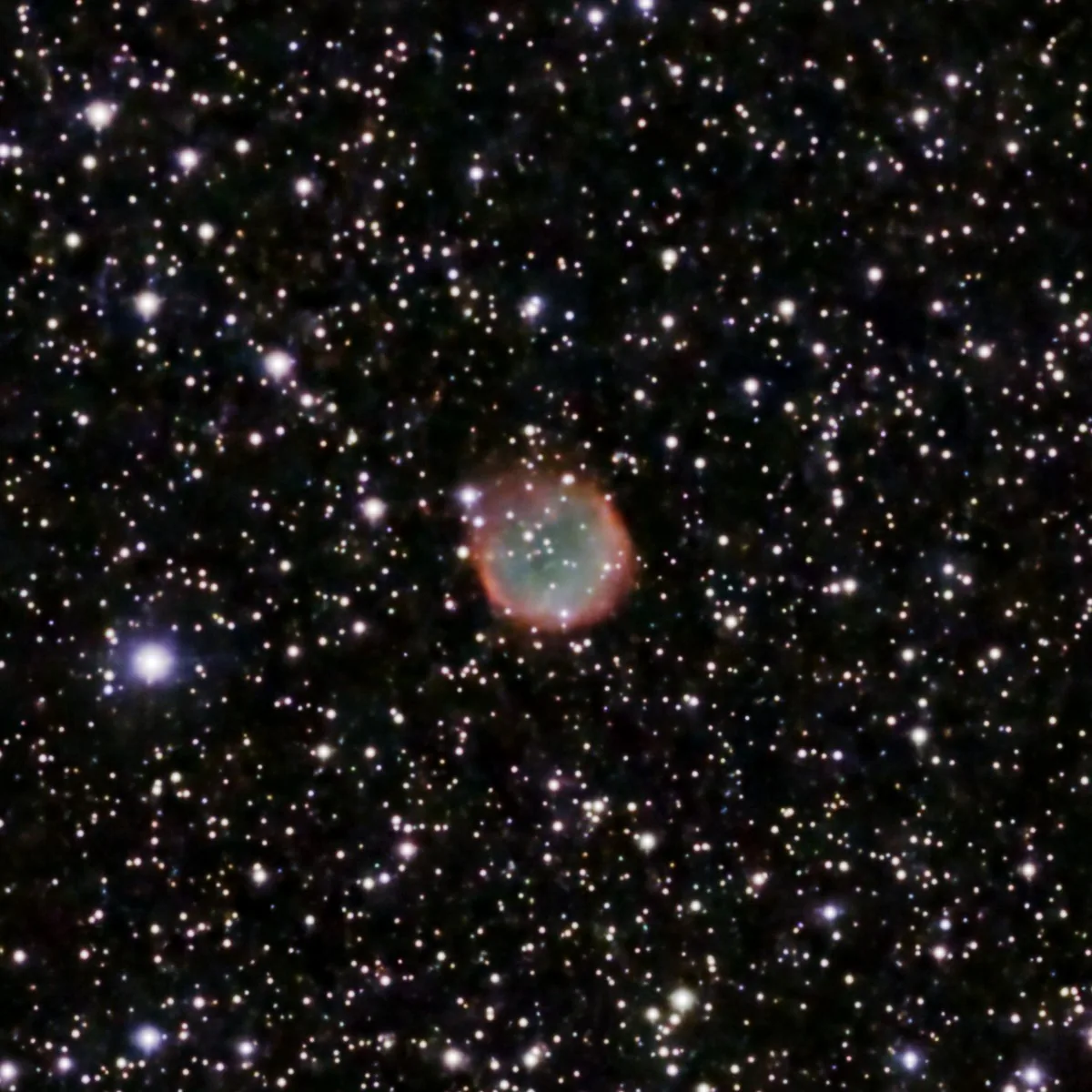
William Herschel found this one on July 30, 1788, and it’s a genuine ghost in the sense that matters most for a planetary nebula: it’s the exposed remains of a star’s outer layers, ejected as the star itself collapsed toward its white dwarf future. It sits about 1,500 light-years away in Aquila, and the “Moon” in its nickname isn’t just poetic – the shell is actually barrel-shaped, but we happen to be viewing it almost exactly pole-on, which flattens the barrel into the round, softly glowing disc that gives it a lunar look through the eyepiece. Also nicknamed the Snowglobe Nebula for the same reason.
2. NGC 6939 - the Ghost Bush Cluster
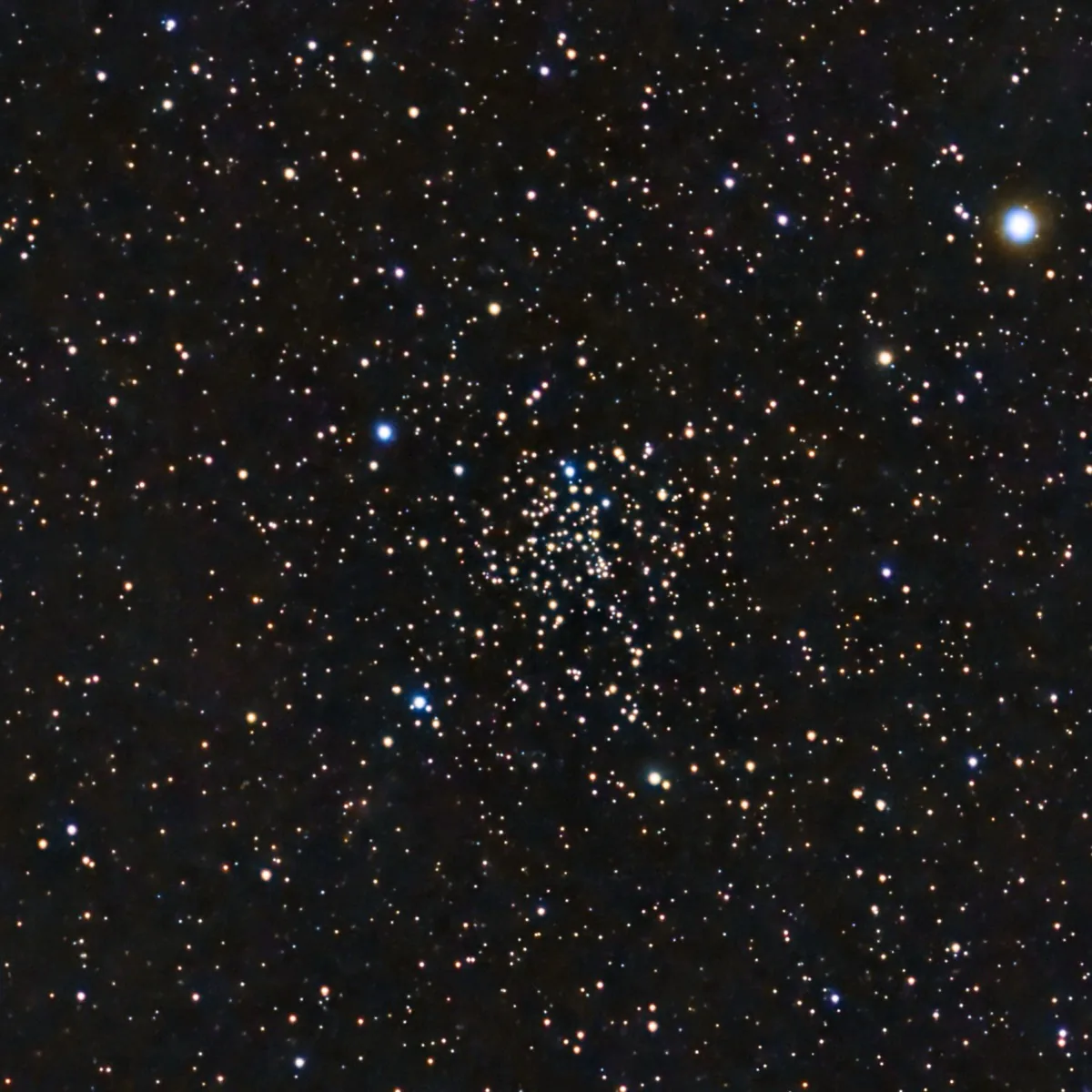
Discovered by William Herschel in 1798, this open cluster in Cepheus is genuinely old for its type – estimates run from 1.6 to over 2 billion years, well beyond the typical lifespan of a loose star cluster before it disperses. The nickname is one of several competing “fanciful” names observers have given it over the years (Flying Geese Cluster and Silk Fan Cluster are two others), with no single origin story that’s won out. It sits conveniently close to the Fireworks Galaxy (NGC 6946), making the two a natural pair in the same field of view.
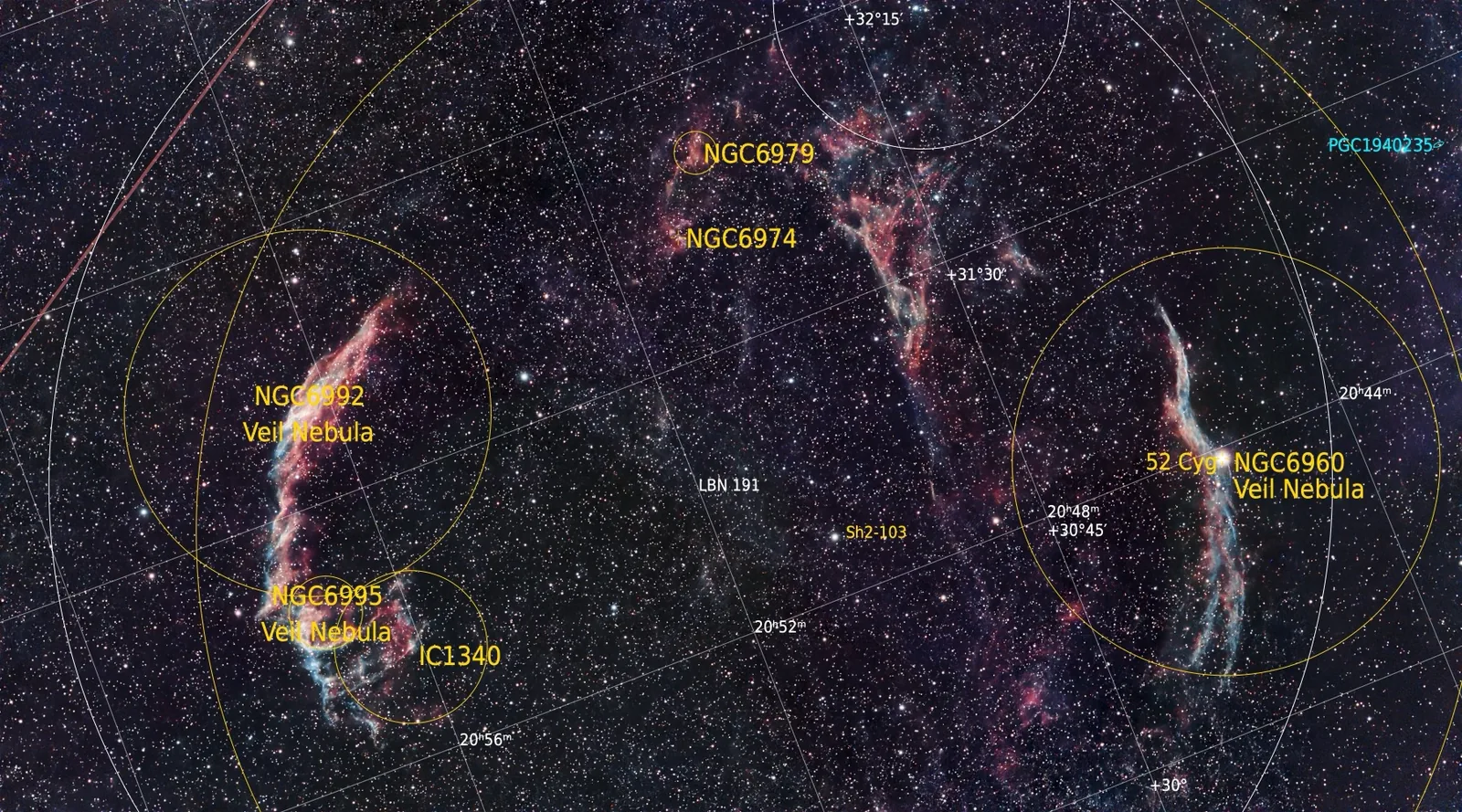
3. NGC 6960 / Caldwell 34 - the Witch’s Broom
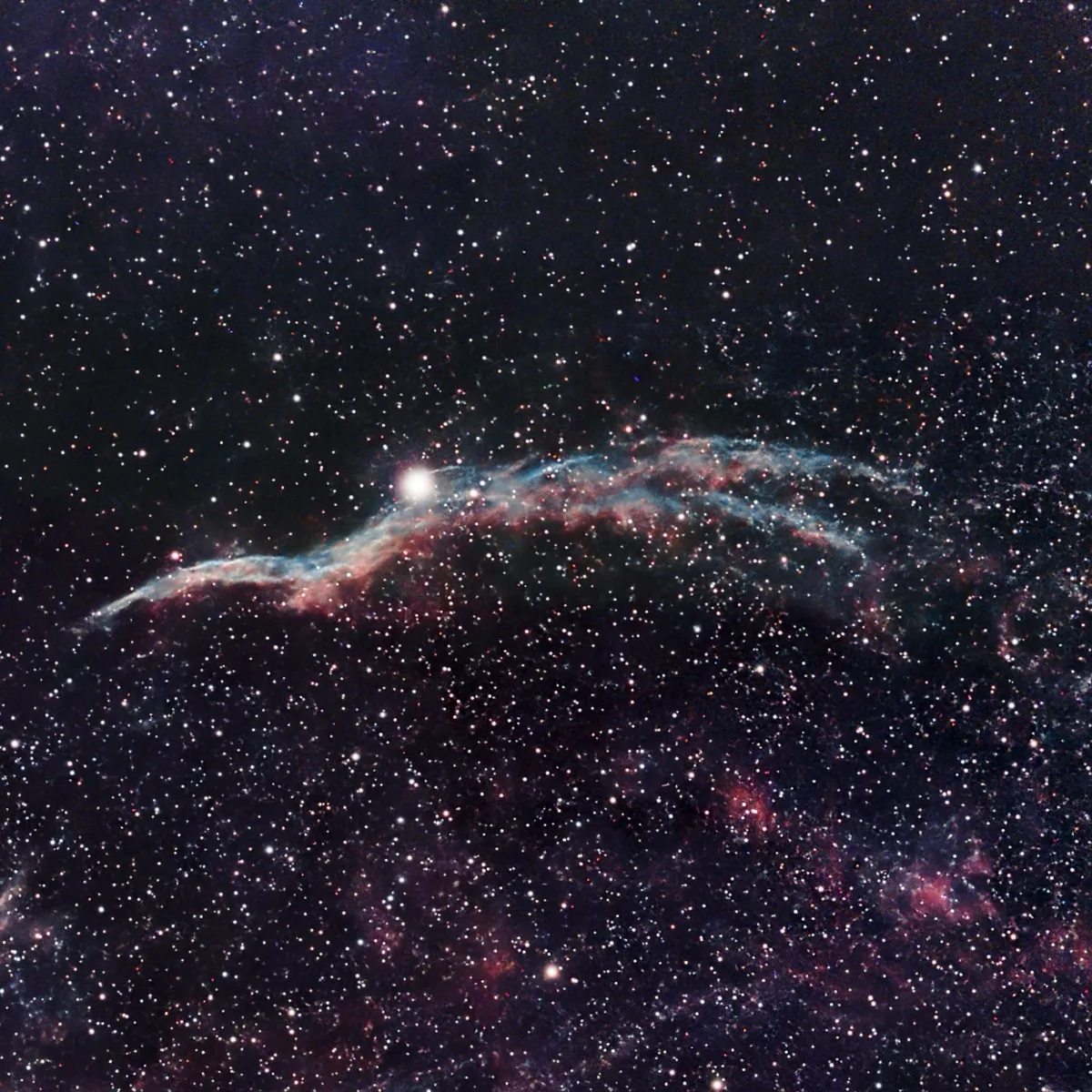
William Herschel discovered this in September 1784, though the “Witch’s Broom” nickname is entirely modern – it’s simply what the western arc of the Veil Nebula looks like once you know to look for a broom in it. The whole Veil complex is the expanding wreckage of a single supernova, its light having reached Earth somewhere between 10,000 and 20,000 years ago, and the Broom itself is the easiest, brightest piece of that wreckage to find – the traditional starting point for exploring the rest of the Veil.
4. NGC 6995 / IC 1340 - the Bat Nebula
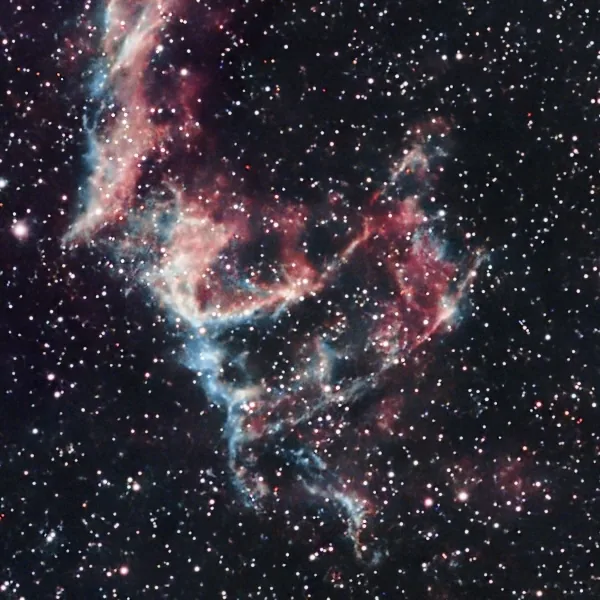
The southern tip of the Eastern Veil, on the opposite side of the same supernova remnant from the Witch’s Broom. The specific “bat” silhouette that gives this piece its nickname is usually pinned more precisely to IC 1340, a designation sitting right alongside NGC 6995 in the same patch of sky – the two labels essentially describe the same real estate. It’s become a recurring subject of NASA’s own Astronomy Picture of the Day around Halloween, appearing there in 2021, 2024, and again in 2025. (To see the bat in the image, turn it almost upside-down.)
5. Sh 2-136 - the Ghost of Cepheus
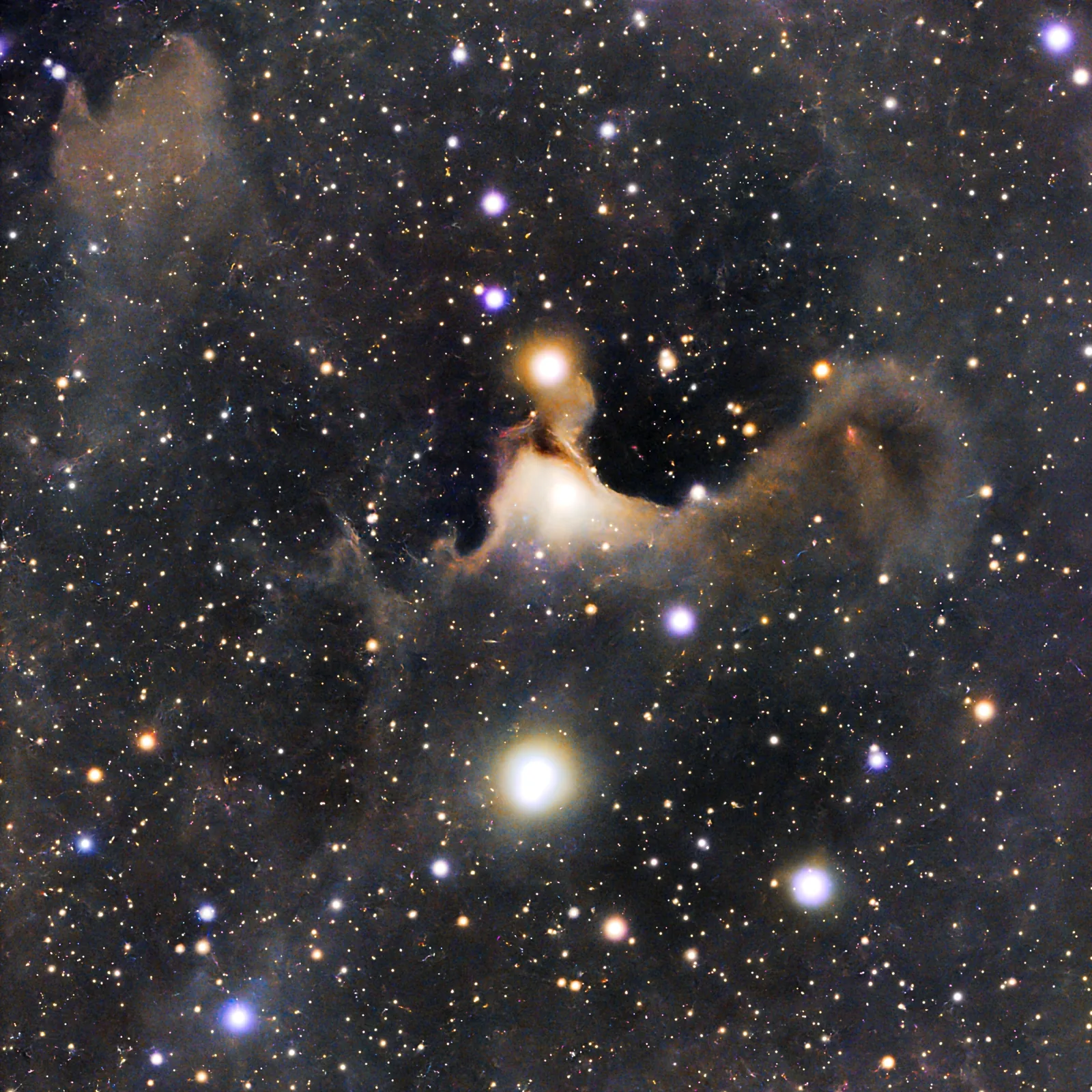
Not a Herschel object at all – this one comes from Stewart Sharpless’s mid-20th-century survey of emission nebulae, catalogued in 1959. It’s a Bok globule (a dense, cold pocket of gas and dust actively collapsing to form new stars) sitting at the edge of the Cepheus Flare star-forming region, roughly 1,200-1,500 light-years away and only about 2 light-years across. Several young, embedded stars illuminate it from within, giving it a brownish-gold glow rather than the blue tint most reflection nebulae show – and the wispy, upraised shapes in that glow are exactly what earned it the name.
6. NGC 7380 - the Wizard Nebula
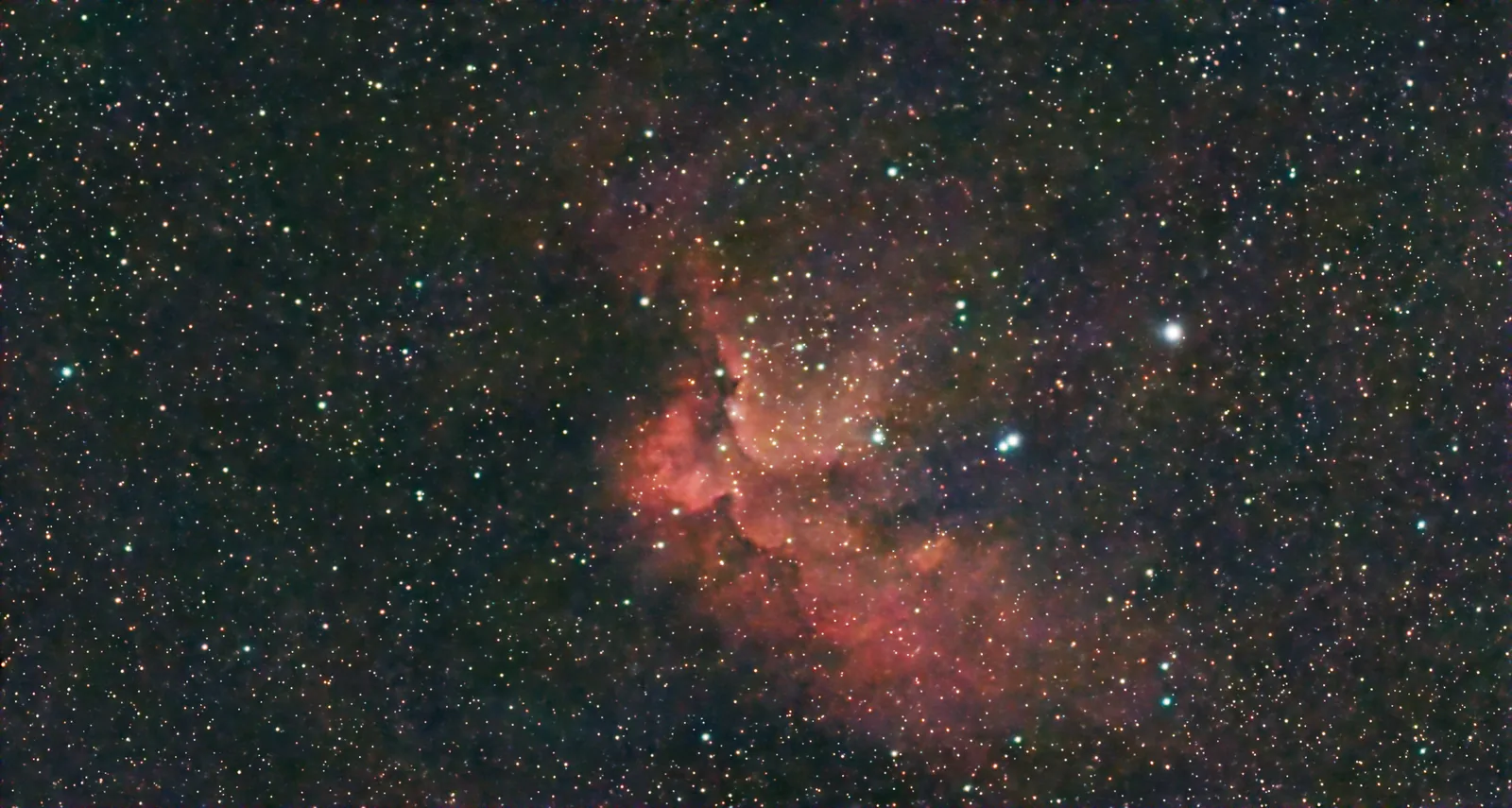
Another Caroline Herschel discovery – she found this open cluster on August 7, 1787, with the same small 4.2-inch sweeper she used throughout her career, and her brother William catalogued it as H VIII.77. The nebula wrapped around it (Sh2-142) is roughly 7,000-8,500 light-years away and about 100 light-years across, sculpted into its wizard-like shape by the radiation and winds of the young, massive stars still forming inside it – among them DH Cephei, a close binary of two O-type stars that does most of the work illuminating the whole region.
7. NGC 7790 - the Widow’s Web Cluster
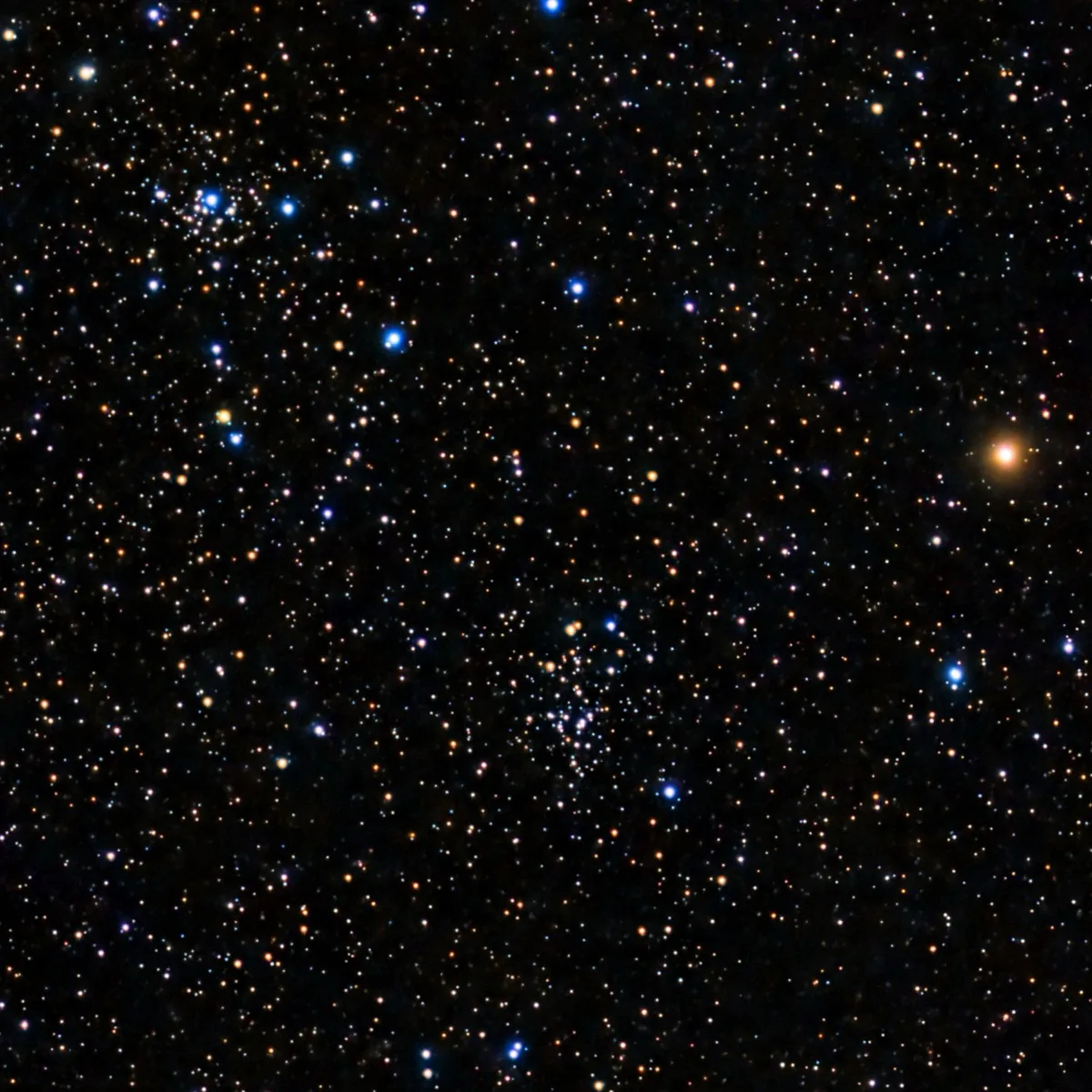
This one earns its keep scientifically, not just visually. NGC 7790 hosts three classical Cepheid variable stars – CE Cas A, CE Cas B, and CF Cas – more than any other known cluster in the Milky Way, which makes it a genuine anchor point for calibrating the cosmic distance scale: Cepheids are the standard candles astronomers use to measure distances to other galaxies, and a cluster with three of them in the same place, at the same known distance, is a rare chance to cross-check the method against itself. The cluster itself sits around 10,800 light-years away in Cassiopeia.
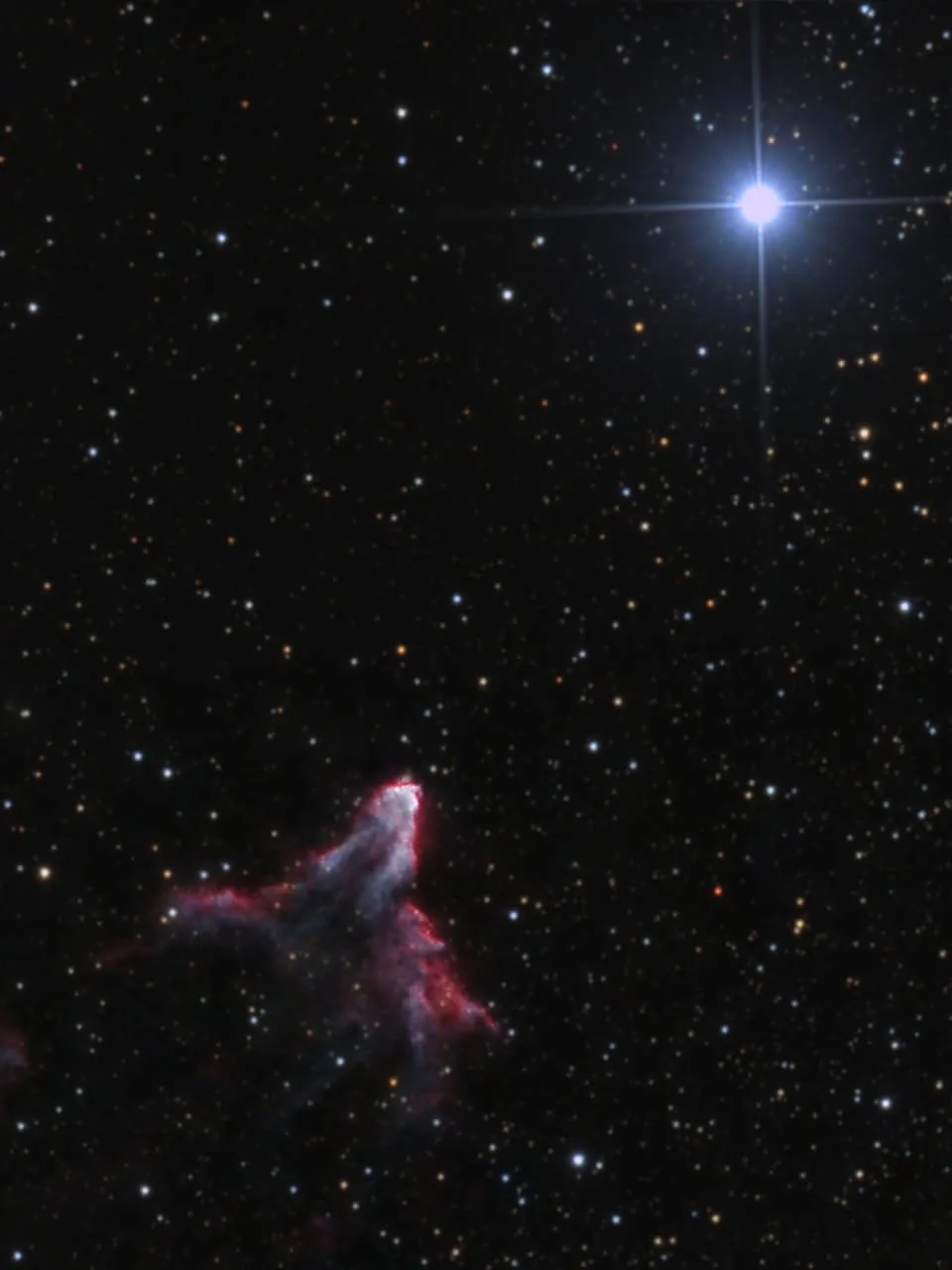
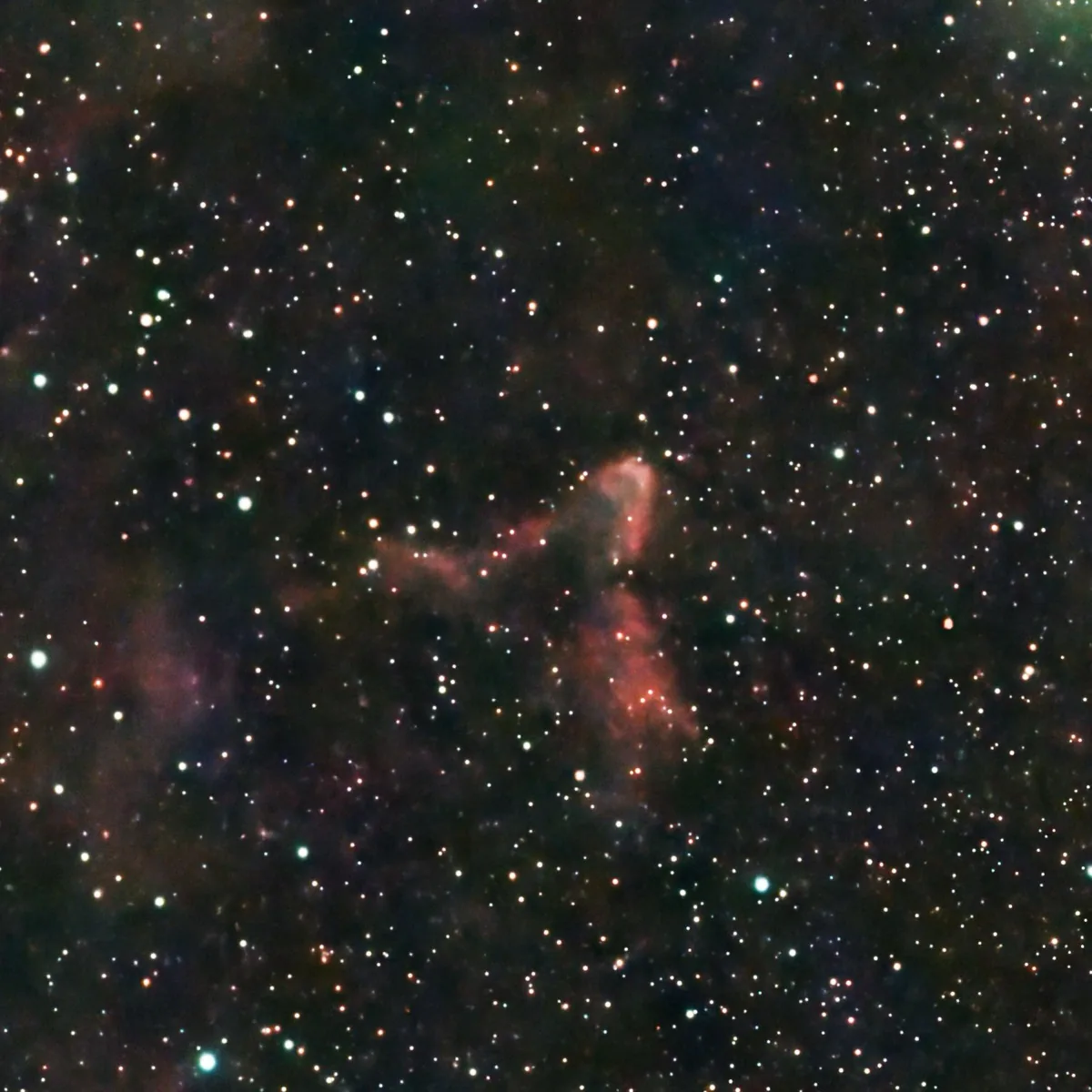
8. IC 63 - the Ghost of Cassiopeia
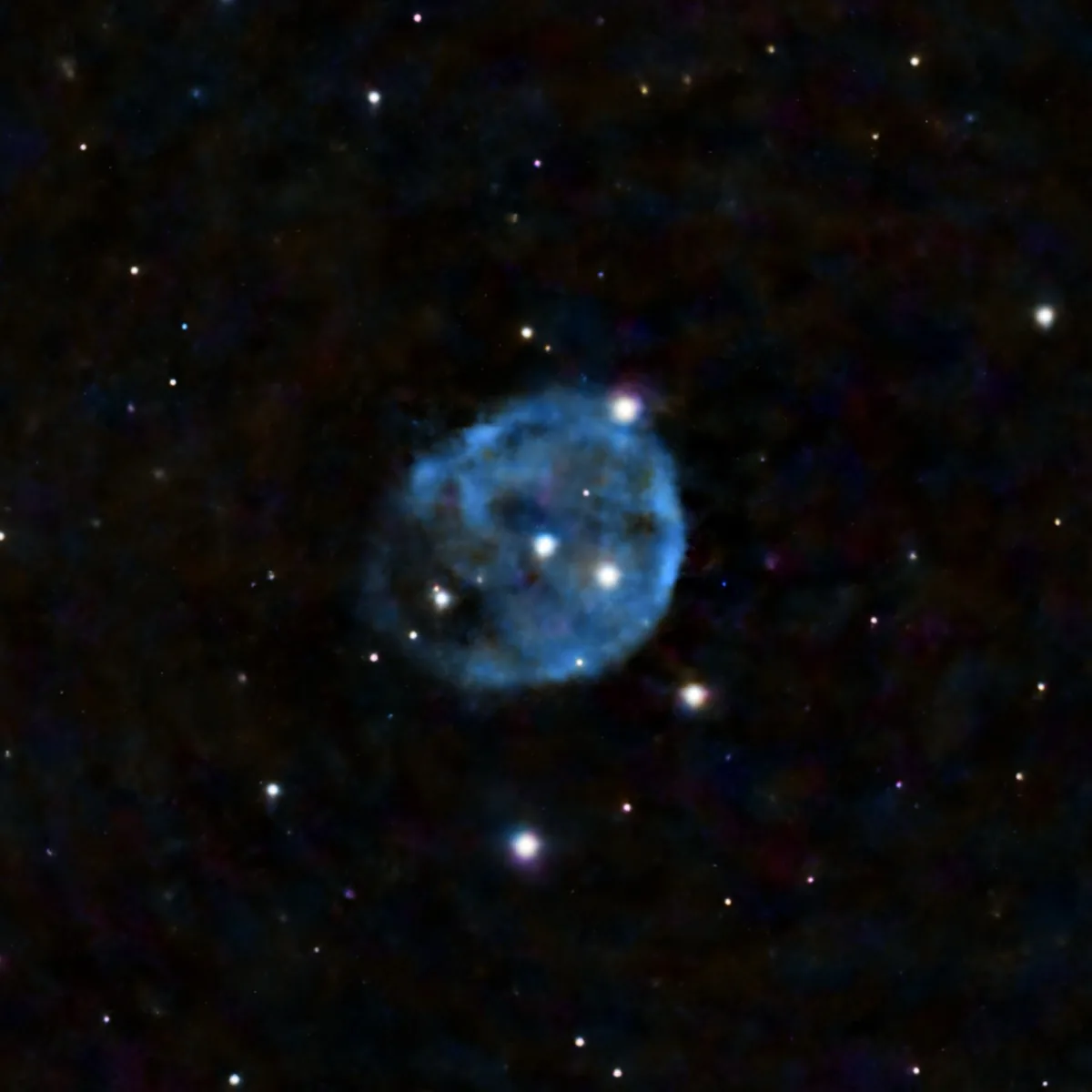
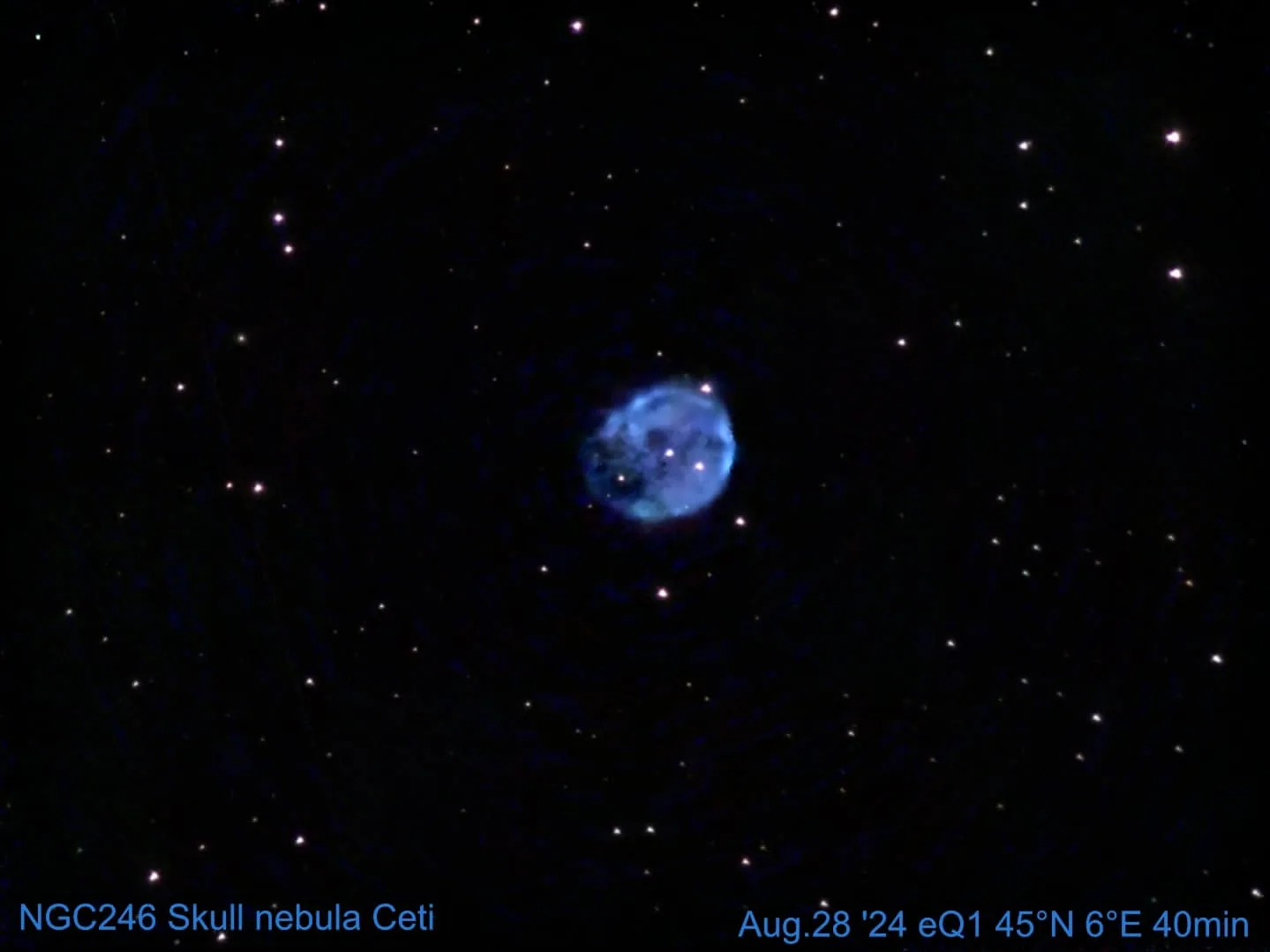
9. NGC 246/Caldwell 56 - the Skull Nebula
10. NGC 404 - Mirach’s Ghost
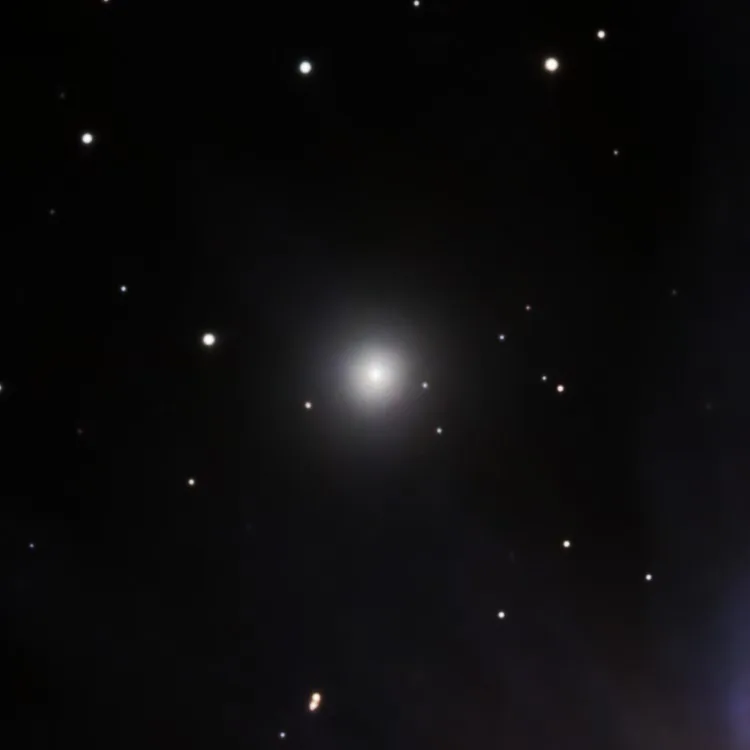
William Herschel discovered this one in 1784, and its nickname comes from pure bad luck of placement: it sits only 7 arcminutes from Mirach (Beta Andromedae), a star bright enough to drown the galaxy in glare and difficult enough that some older star atlases simply didn’t plot it. NGC 404 is about 10 million light-years away, just outside the Local Group and not bound to it – and it’s stranger than it looks. As a lenticular galaxy it should be quiet, essentially done forming stars, but it’s caught actively forming new ones in a ring, evidence of a collision with a smaller galaxy roughly a billion years ago. Its nucleus is also one of the better nearby candidates for a genuine intermediate-mass black hole, weighing in somewhere under half a million solar masses – a size category that sits awkwardly between ordinary stellar-mass black holes and the supermassive kind, and one astronomers don’t have many confirmed examples of.
11. NGC 457/Caldwell 13 - the Owl (or E.T.) Cluster
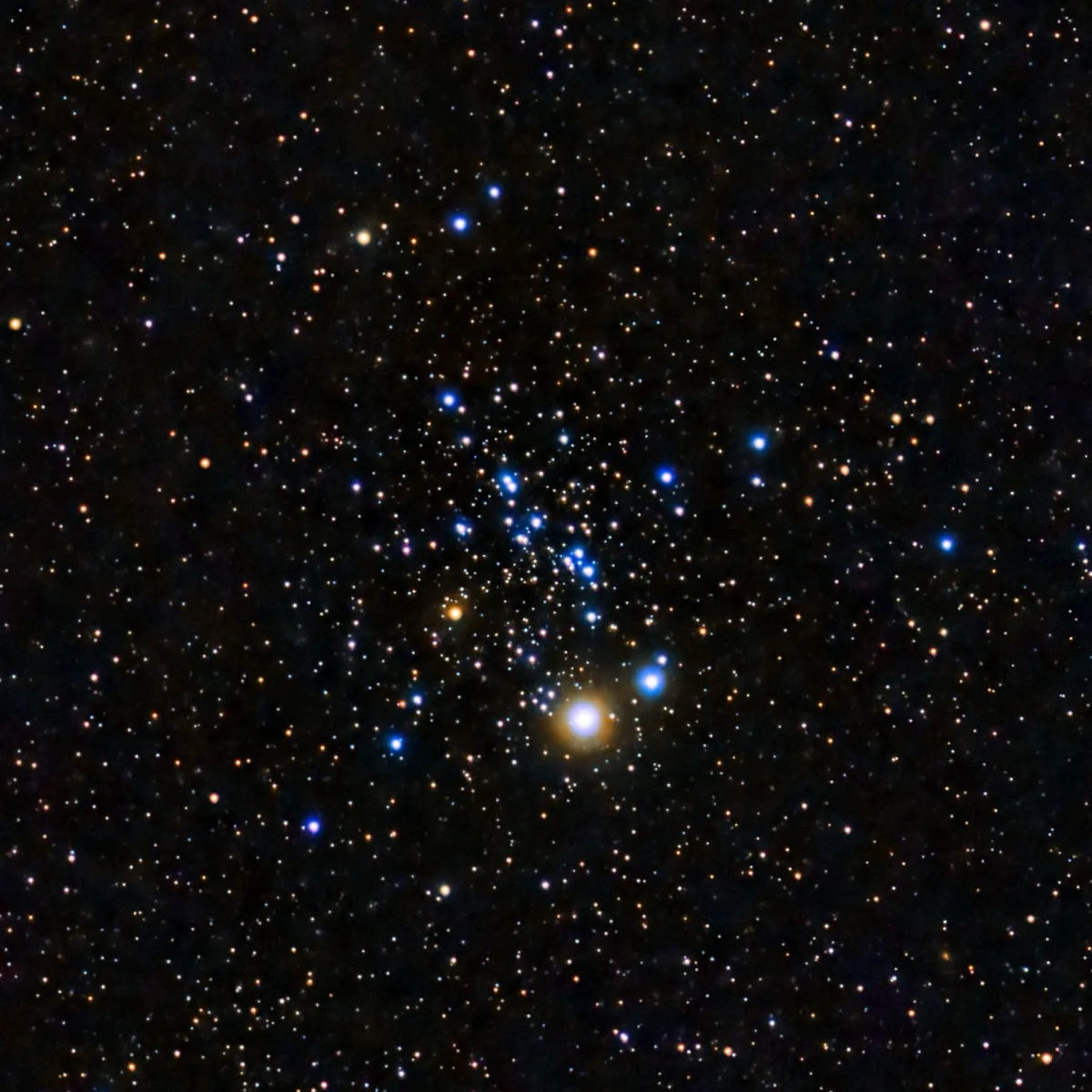
William Herschel found this one in 1780. Unlike most of the nicknames on this list, this one has a specific, known origin: an Astronomy magazine contributor observing in the 1970s noticed the owl shape – two bright “eye” stars, a body, wings, feet – and the name simply stuck. Those two eyes are Phi Cassiopeiae and the fainter HD 7902, and Phi Cas carries its own open question: nobody is completely certain it’s actually a member of the cluster rather than a foreground star along the same line of sight. If it is a genuine member, at the cluster’s roughly 7,900-light-year distance, it would be one of the most luminous stars known – brighter than Rigel.
12. IC 2118/NGC 1909 - the Witch’s Head Nebula
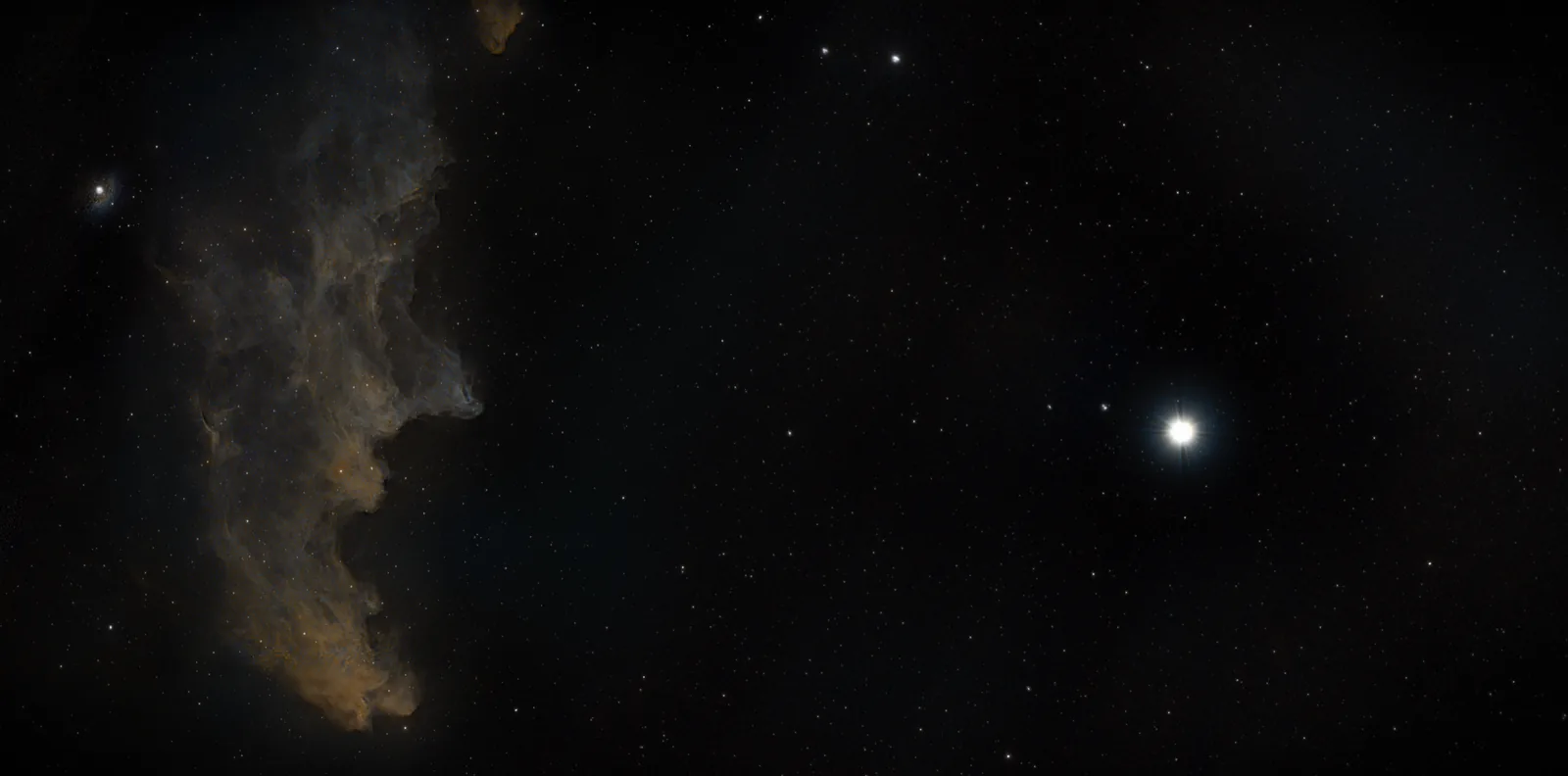
Officially IC 2118, discovered photographically by Max Wolf in 1891 – though it also carries the older designation NGC 1909, from a visual sighting by William Herschel in 1786 whose recorded position turned out to sit about 22 arcminutes off from where the nebula actually is, likely a simple transcription error. Either way, it’s the same object: a huge, extremely faint reflection nebula about 900-1,000 light-years away, lit by the reflected light of Rigel some 2.6 degrees away in neighboring Orion. The profile that gives it its name only really reads clearly with the image rotated – most photographers turn it about 90 degrees from its natural orientation to bring out the witch’s face.
The image above comes from Jim Wimmer in SW Virginia. This is a great example of what a really dedicated imaging effort can accomplish. Over 2600 20-second and 30-second frames were used to create this image under Bortle 4 skies (about the same we have here) all using free post-processing software (Siril, GraXpert, Gimp, and Astrosharp).
Jim has a YouTube channel “Photon Rookie” where he discusses his processing techniques using images taken with his Seestars. He’s imaged many of the most popular nebulae we know and love and his images are simply outstanding. Definitely worth checking out, if you want to think about upping your image processing game, or even just to be amazed at his imaging.
13. Messier 78 - Casper the Ghost Nebula
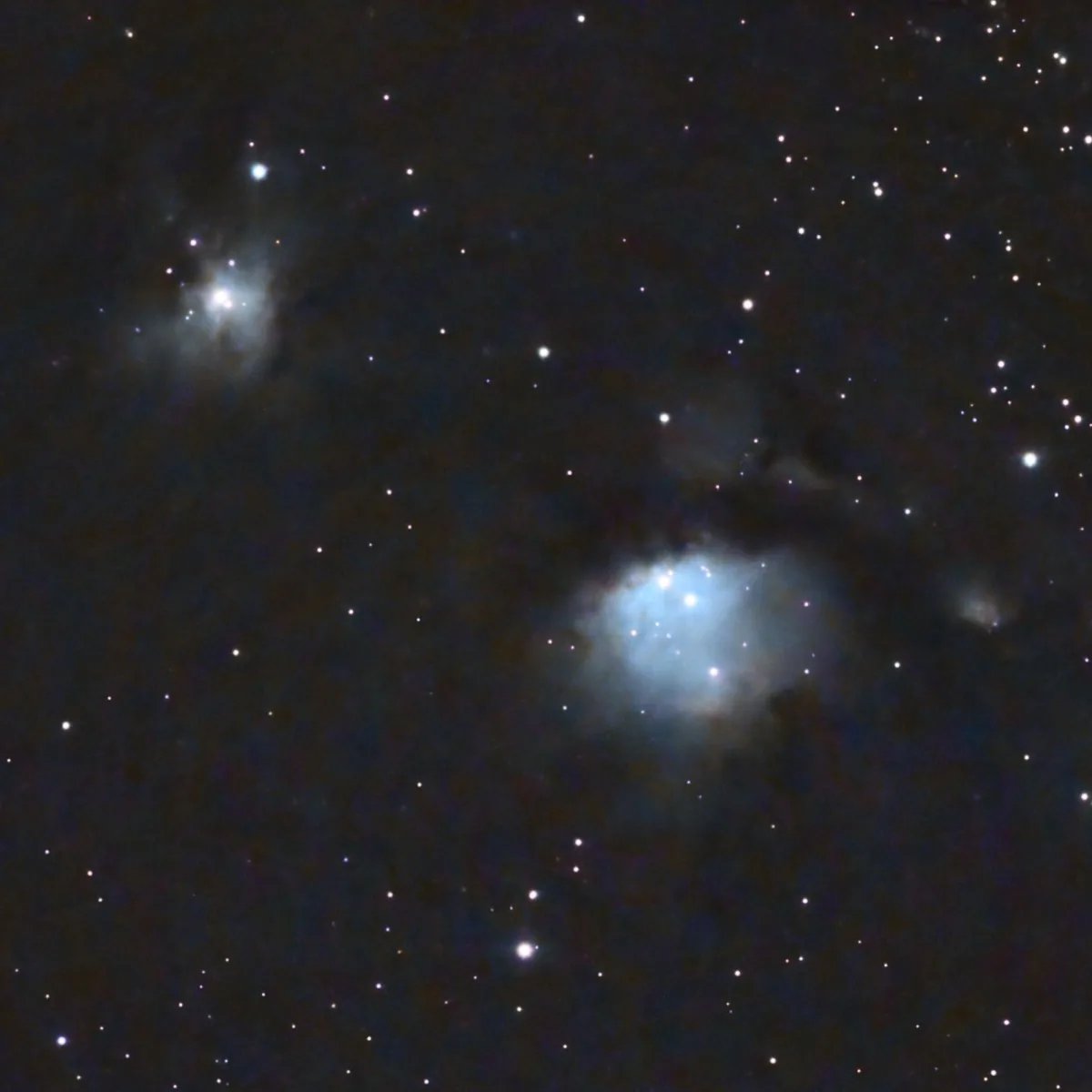
Discovered by Pierre Méchain in early 1780 and added to Messier’s own catalog that December – one of several Messier objects that Messier himself never actually found. It’s the brightest reflection nebula in the sky, part of the same vast Orion molecular cloud complex as the Orion Nebula itself, about 1,300-1,350 light-years away. Its most memorable recent moment came in February 2004, when amateur astronomer Jay McNeil imaged a genuinely new nebula – now called McNeil’s Nebula – in the same field, one that simply wasn’t present in any earlier image of the region going back decades. It was a real discovery, made with amateur equipment, in one of the most photographed patches of sky there is.
Observing
Binoculars
Three of these are genuinely reachable: NGC 457 (bright and easy, a fine binocular cluster in its own right), NGC 6939, and NGC 7790, which shows as a small hazy patch under reasonably dark skies. Everything else on this list either needs more aperture or more exposure time than binoculars can give you.
Telescopes
NGC 457, NGC 6939, NGC 7790, NGC 246, M 78, and the cluster (though not the surrounding nebula) of NGC 7380 are all solid visual targets in a modest amateur scope. NGC 404 is a genuine classic telescopic challenge – doable, but Mirach’s glare takes real technique (high magnification, averted vision, nudging the star just out of the field) to overcome. The Veil segments (NGC 6960/6995) reward a scope equipped with an O III filter and a dark site. IC 63 and NGC 6781 are visible in a telescope but faint enough that a beginner shouldn’t expect an easy win on the first try.
Best with Imagers
Sh2-136, IC 2118, and the fainter Veil detail all genuinely need long exposures to show anything close to what the images on this page show – these are not objects where the eyepiece and the photograph tell the same story. IC 63 in particular transforms with narrowband or Hα data, revealing structure that’s essentially invisible without it. If you only have time or equipment for a handful of these thirteen, the imaging-friendly ones are where the “spooky” shapes actually become unmistakable rather than a matter of imagination.