Daylight saving time ends Sunday, November 1 – all times in this issue are EST.
🔭 Lecture and Stargazing at Greylock Glen, Nov 7
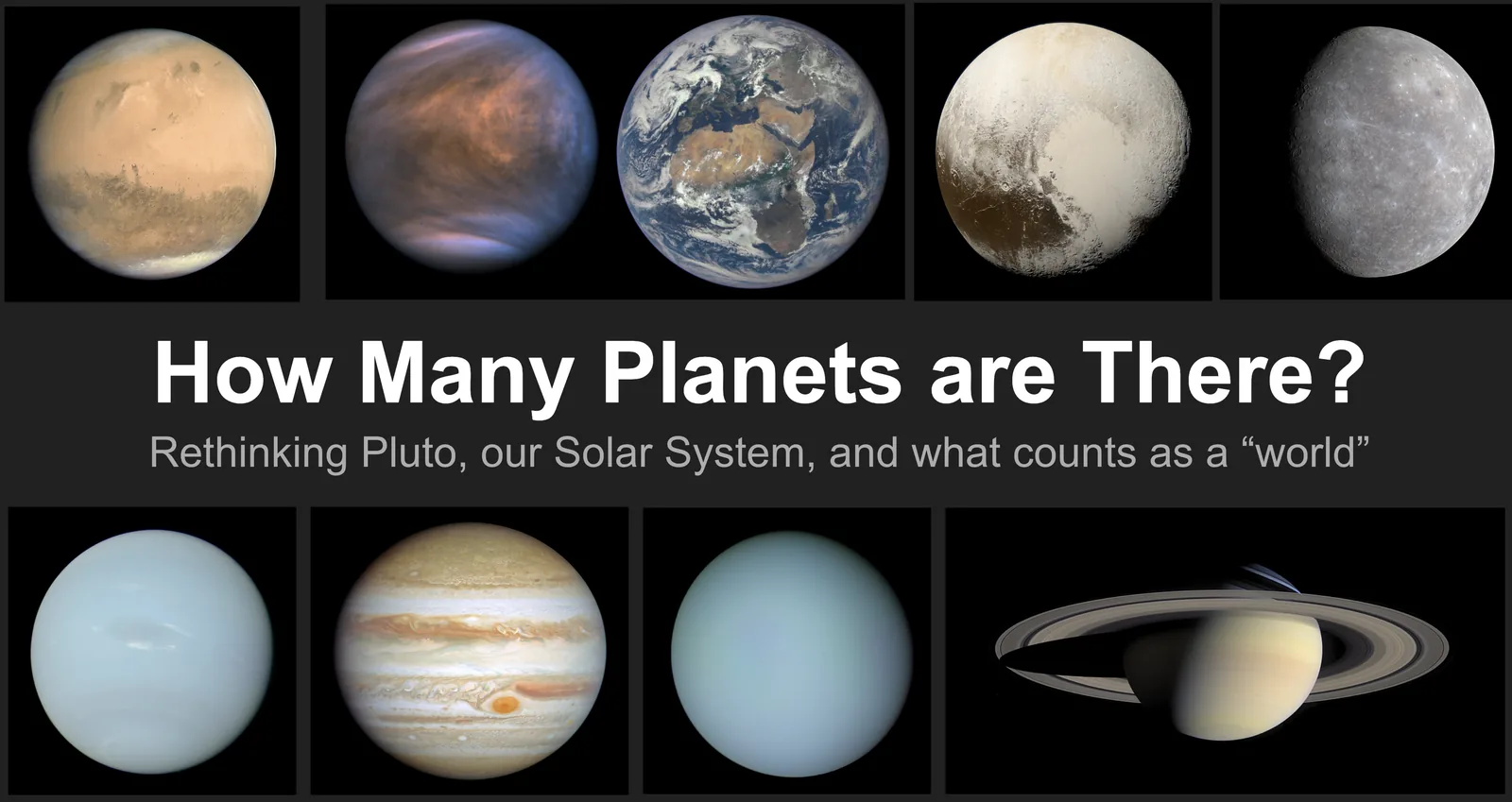
Join NBAS at a public event coordinated with Greylock Glen Center on Saturday, November 7 for a public talk “How Many Planets Are There?” by NBAS member Dr. Bob Donahue, followed by observing (weather permitting) with the club’s telescopes!
Saturn will definitely be on the menu!
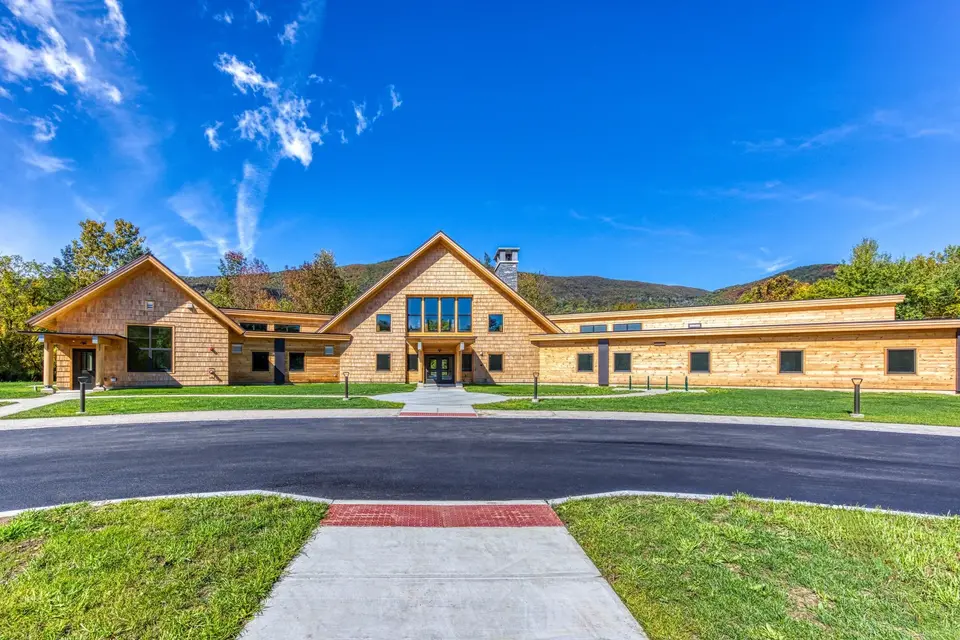
Greylock Glen Center
- When: November 7, 6 PM
- Address: Gould Road, Adams MA, 01220
- Phone: (413) 398-4044
- Website: https://greylockglenresort.com/
All NBAS Public Events are free to the public. Please review our Event Rules page.
🔭 Stargazing with Williamstown Rural Lands, Nov 28
Join NBAS at a public event coordinated with Williamstown Rural Lands on Saturday, November 28 for an evening under the stars at their Sheep Hill property: a laser-pointer tour of the autumn sky, followed by a look through telescopes. No experience or equipment needed, and families are welcome.

- When: November 28, (TIME)
- Address: 671 Cold Spring Rd, Williamstown, MA 01267
- Phone: (413) 458-2494
- Website: https://rurallands.org/
From Field Park (the roundabout) in Williamstown, drive south on Route 7. After 1.4 miles, Sheep Hill is on the right.
All NBAS Public Events are free to the public. Please review our Event Rules page.
🪐 Mars and Jupiter Close In
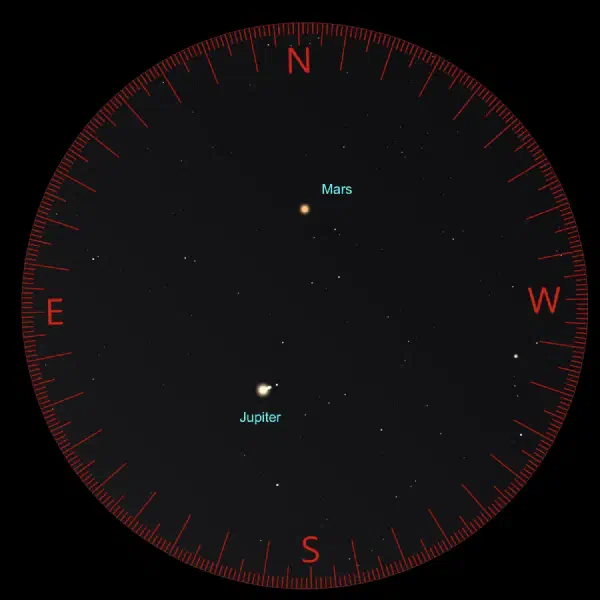
All month, Mars and Jupiter draw together in the pre-dawn sky in Leo, reaching their closest approach on November 15–16, just 1.2° apart – easily in the same binocular field. They’re not actually close: Jupiter is roughly 350 million miles beyond Mars, and the pairing is pure line-of-sight. The pair rises around 11 PM and is best placed in the hours before dawn. Late in the month, Mars slides past Regulus, Leo’s brightest star, and the Moon joins Jupiter on the morning of November 30. The full story is in our Planet Watch: Mars and Jupiter Dance.
🔵 Uranus at Opposition, November 25
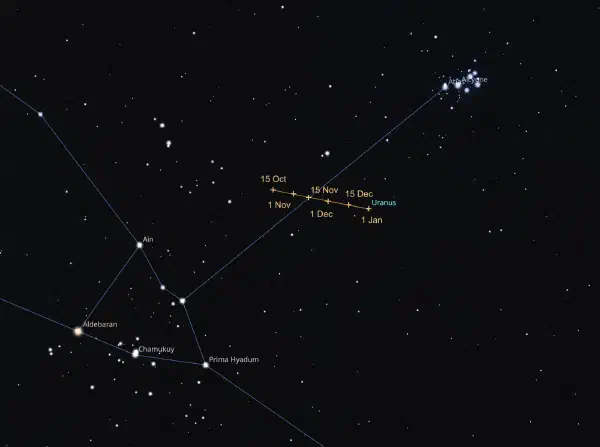
Uranus reaches opposition on the evening of November 25 (5:41 PM EST), in Taurus, up all night. At 18.44 AU (about 1.71 billion miles), the sunlight bouncing off it to your eye left Uranus about 2 hours and 33 minutes earlier. Its disk is just 3.8" across, but even a small telescope at high power shows it as a tiny, pale blue-green dot that doesn’t twinkle the way the stars around it do. For finding it – and the rest of the outer planets – see What’s Up: Outer Planets.
🌠 Leonid Meteor Shower - Night of November 17–18
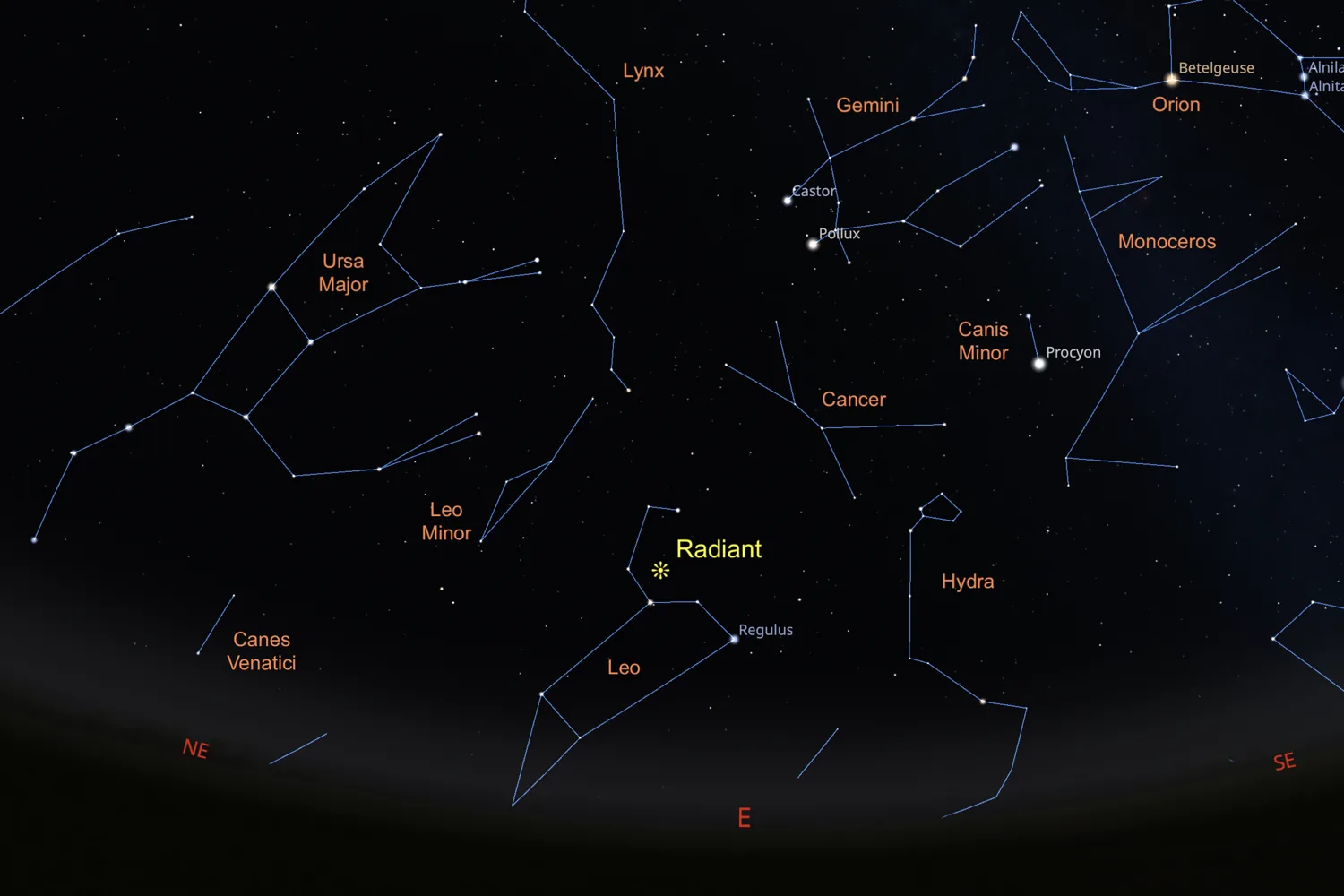
The Leonids peak on the night of November 17–18. Rates are modest in a typical year (around 10–15 per hour under dark skies), but this is the shower behind the great meteor storm of 1833. The first-quarter Moon sets around 11:30 PM, leaving the best hours, after midnight until dawn, dark, with Leo climbing in the east. More in our Fall 2026: A Season of Meteor Showers.
The Taurids are also active all month, with a weak, broad northern peak around November 12 – low rates, but known for slow, bright fireballs, and with New Moon on the 9th, the sky will be dark.
🌅 For Early Risers
- Nov 7: A thin crescent Moon sits near Venus low in the east before dawn.
- Nov 9: Venus passes close to Spica.
- Nov 17–25: Mercury’s best morning appearance of the year for Northern observers – look low in the east-southeast about 45 minutes before sunrise. Greatest elongation is November 21.
🌐 What’s Happening on Our Website
Here are the articles to look for in November:
(Links will become active as the articles go live!)
Nov 3, 2026: Planet Watch: Mars and Jupiter Dance – Two bright wanderers meet before dawn
Nov 5, 2026: Aries – A quiet field of far-off galaxies, guarded by a golden ram and one invisible, very nearby neighbor.
Nov 8, 2026: The Speed of Light – Too fast to catch on Earth, until astronomers looked up, and how light became the ruler for everything else
Nov 11, 2026: NGC 253: The Silver Coin Caroline Found – Out in the dim southern fall sky, but a bright neighbor worth the hunt
Nov 14, 2026: Peculiar Galaxies – Five wrecks in the autumn sky, each a different frame of the same slow collision
Nov 17, 2026: Solar System Object Features – Twelve questions on famous features of the planets and moons – volcanoes, ice plains, methane seas, and storms – and what spacecraft learned about how each one formed.
Nov 20, 2026: Mira the Wonderful – The first variable star, monitored for over 400 years.
Nov 23, 2026: Measuring the Astronomical Unit – It’s a fundamental value – 93 million miles – but how was it determined?
Nov 26, 2026: Dwarf Galaxies – Small, ragged, and close by: what gas does to a galaxy too small to keep itself tidy
Nov 29, 2026: The California Nebula: A Borrowed Light – A huge red nebula with no cluster inside it – lit by a single star that wasn’t born there
📸 This Month’s Image
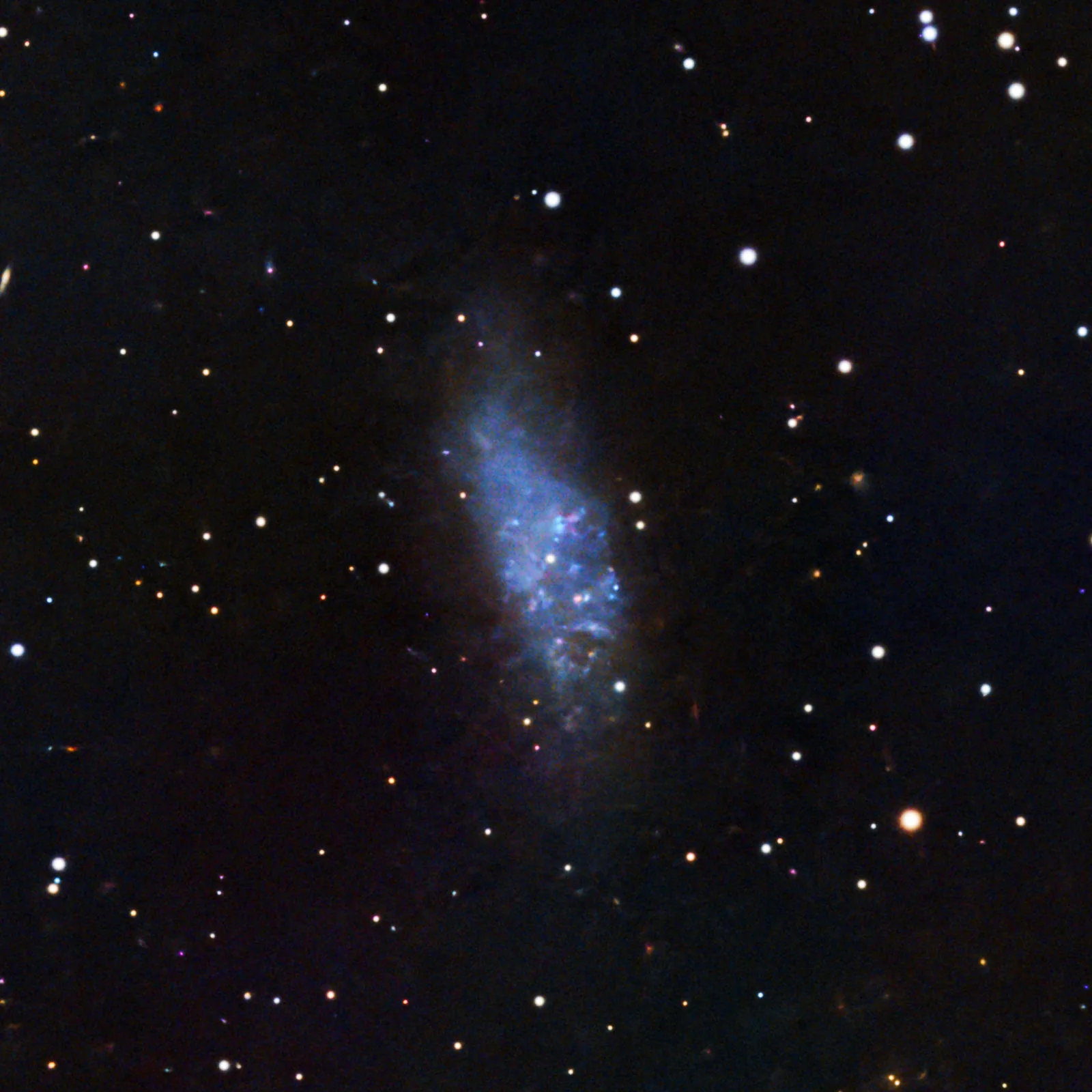
This galaxy doesn’t make any of the popular amateur catalogs, which is a shame, because it’s a very interesting object (it’s one of the six in our Dwarf Galaxies article at the end of this month). WLM sits about 3.2 million light-years away, out on the fringe of the Local Group – not a satellite of the Milky Way or of M 31, but a member in its own right. The clumpy brightness comes from star formation, and not star formation triggered by interactions with other galaxies. Basically it’s just “doing its own thing”: nearby, somewhat faint, but still reachable with smaller smart scopes – if you have the patience, and if you like your galaxies “irregular and lumpy”.
✨ Monthly Starmap
To help you navigate the night sky this month, we’ve provided a high-resolution starmap. The PNG is great for quick viewing, while the PDF is optimized for sharp home printing.
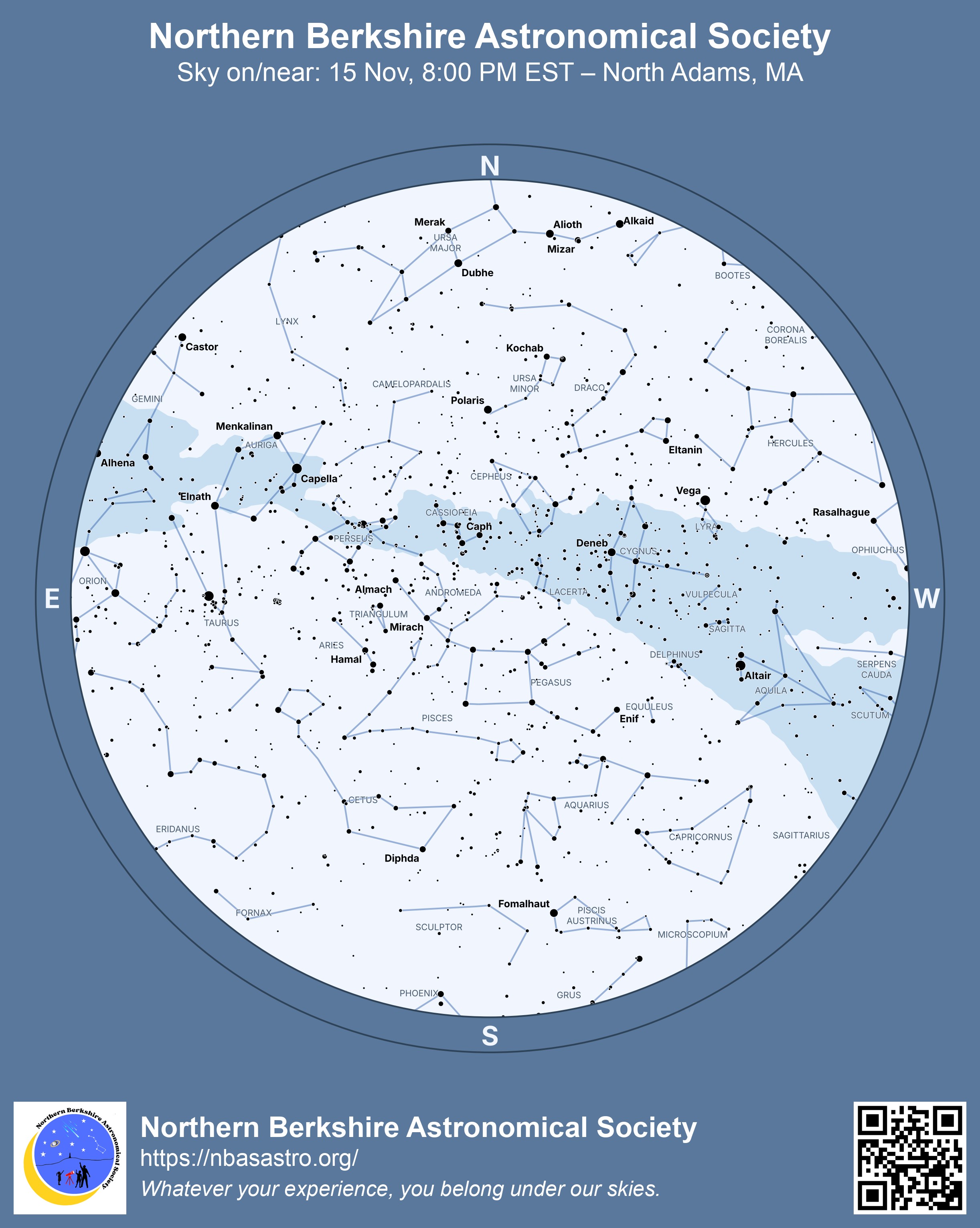
November 2026 Reference Starmap
Reference chart (no planets) — optimized for sharp home printing.
📥 Download Chart (Print Ready)