A telescope is just the beginning. Some accessories are essential from night one; others you’ll acquire gradually as your interests develop. This page covers what’s worth having, roughly in order of priority.
The Essentials
Red Flashlight
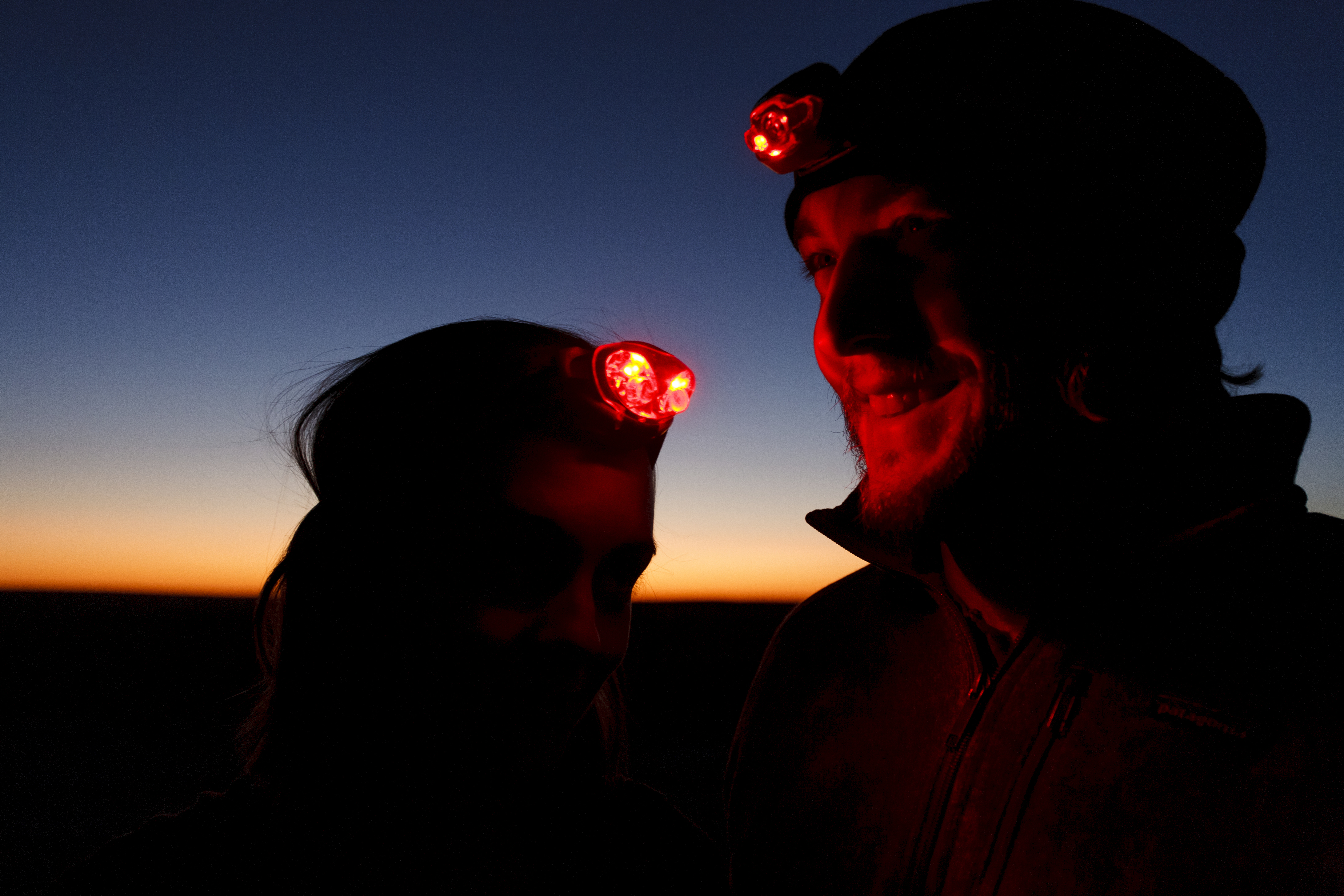
This is your single most important accessory and costs almost nothing. White light destroys your night vision — the dark adaptation that takes 20–30 minutes to develop vanishes instantly if you turn on a regular flashlight or look at your phone screen. A dim red light preserves it.
Dedicated astronomy red flashlights are available for a few dollars. Many have variable brightness, which is useful. Some observers cover a regular flashlight with red cellophane in a pinch, but a proper one is worth the small investment.
Keep it on a lanyard around your neck so you always know where it is in the dark. Or get one of the head-mounted ones that’ll let you see hands-free (very useful).
Star Charts and Atlases
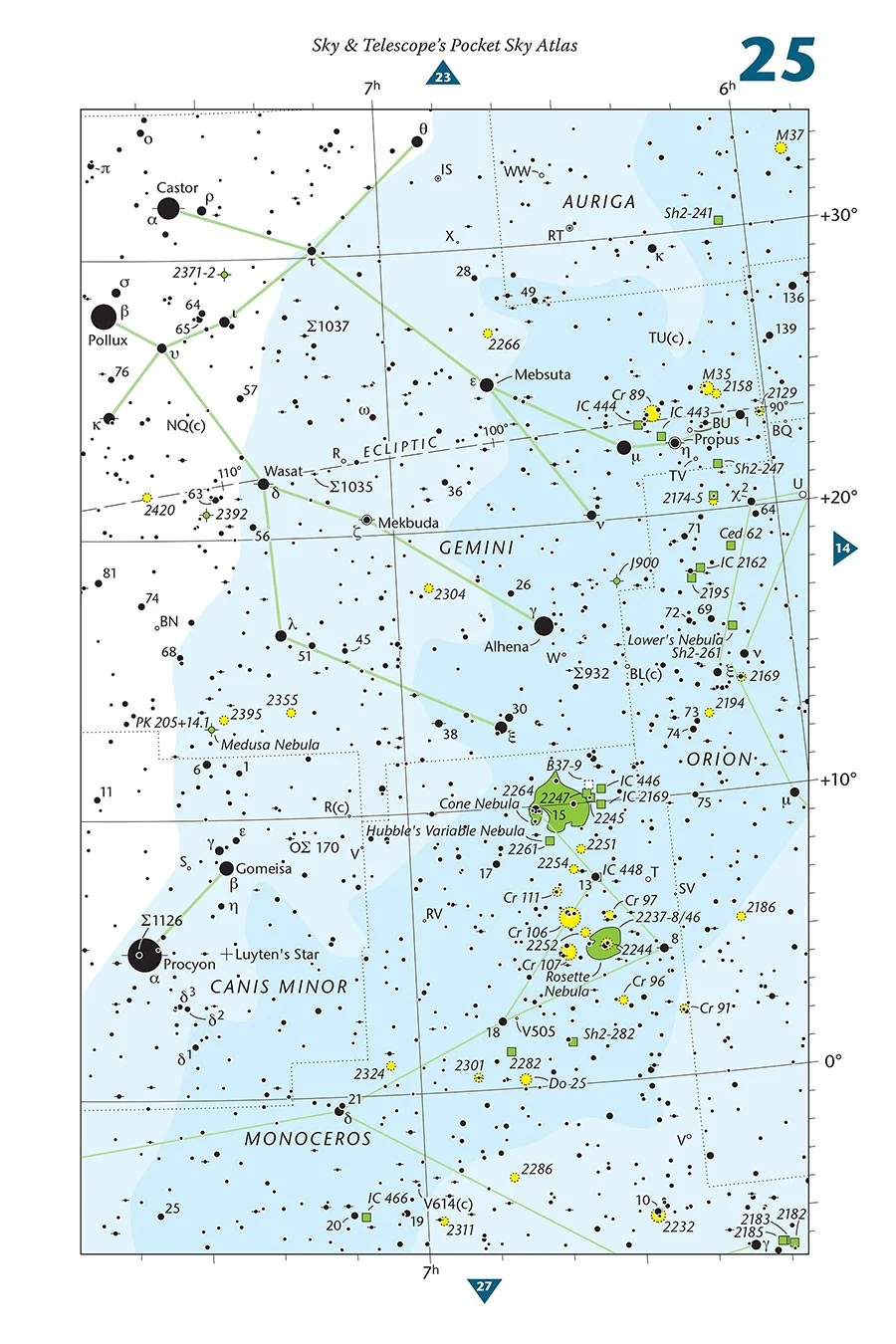
For beginners, Sky & Telescope’s Pocket Sky Atlas is the standard recommendation — compact, comprehensive, and easy to use in the field. As your observing deepens, Uranometria 2000.0 covers fainter objects for more serious work.
Observing Chair or Stool
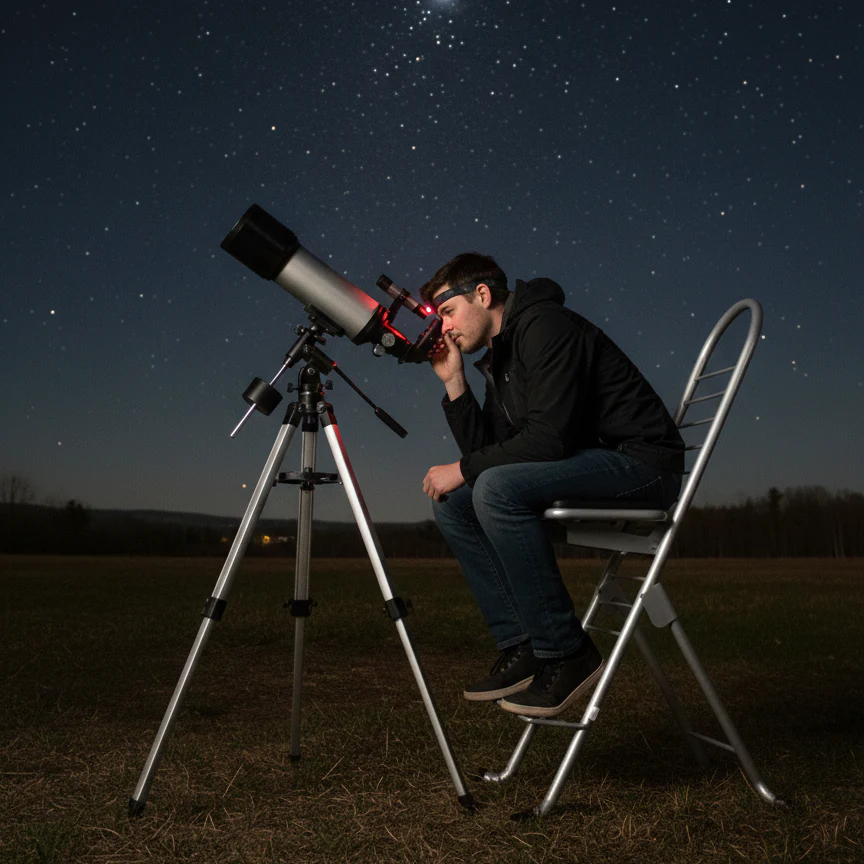
This sounds trivial until you’ve done a four-hour observing session standing up. There are chairs on the market designed specifically for telescope observing with adjustable heights that will work - even for Dobsonians!
Optical Accessories
Filters
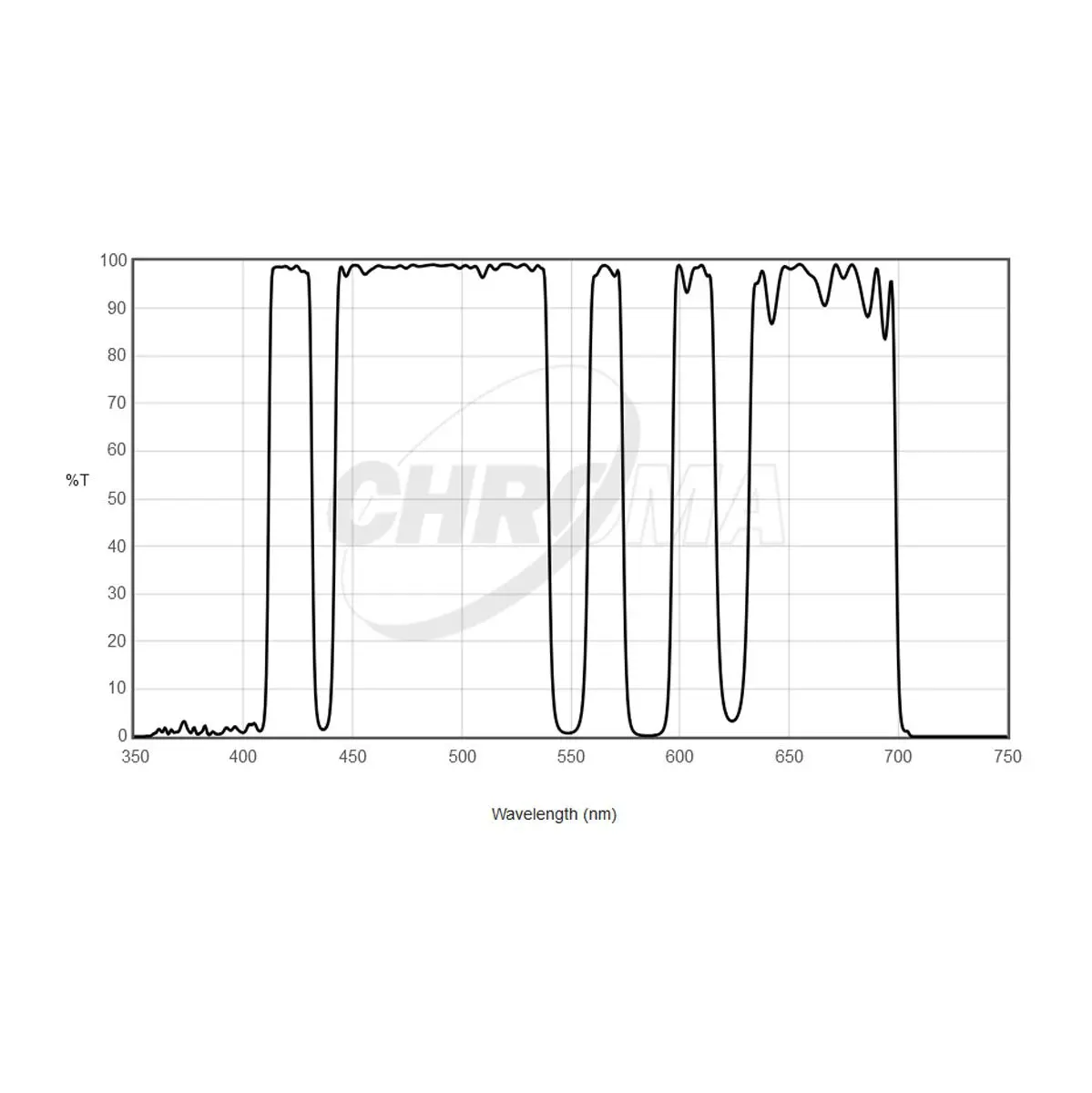
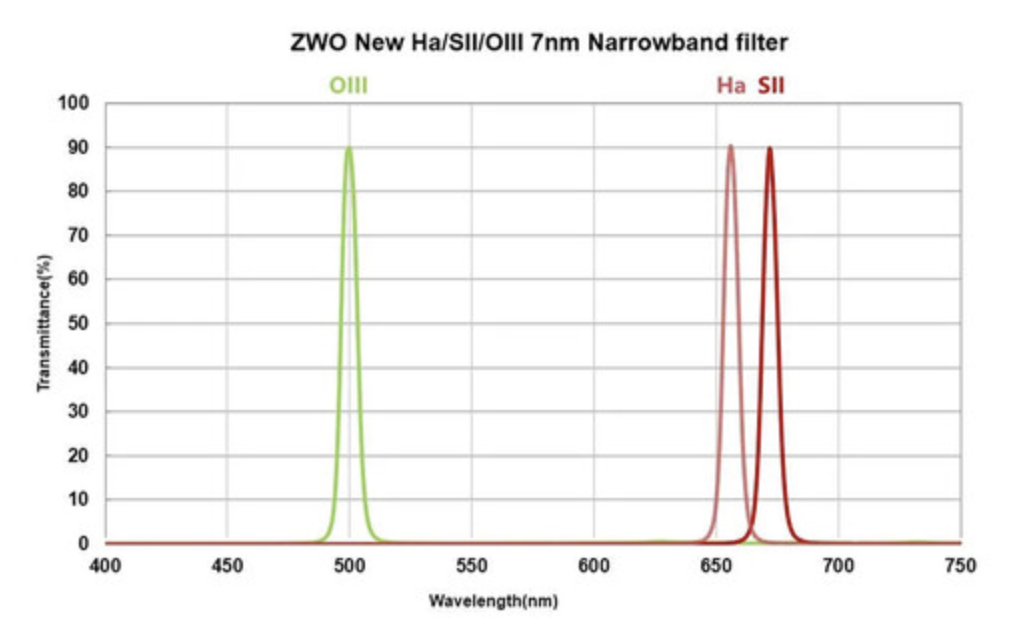
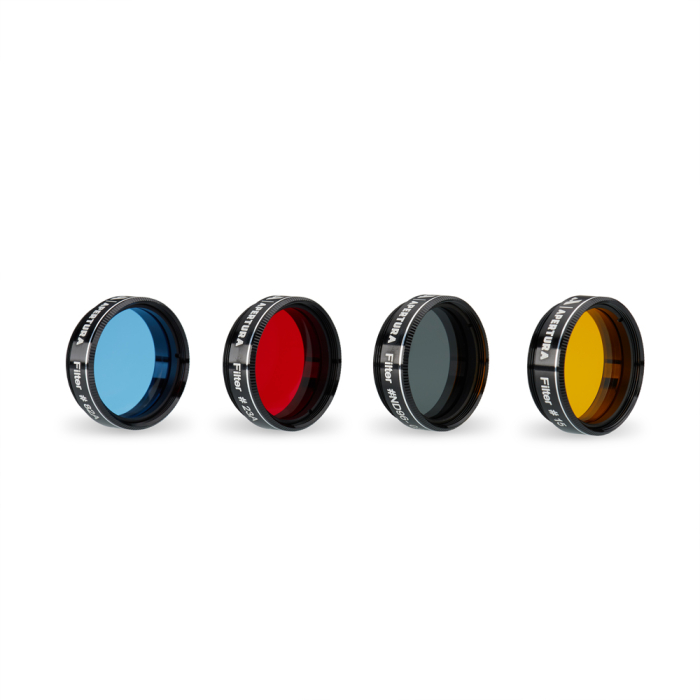
Filters screw into the barrel of your eyepiece and modify the light before it reaches your eye. Several types are useful for different purposes:
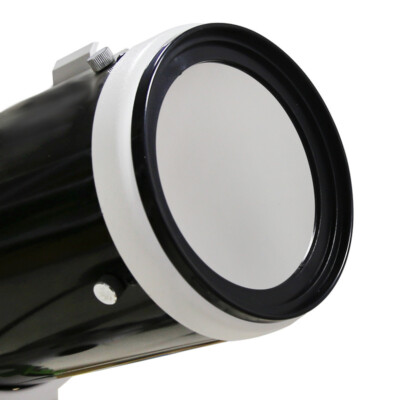
Bahtinov Mask
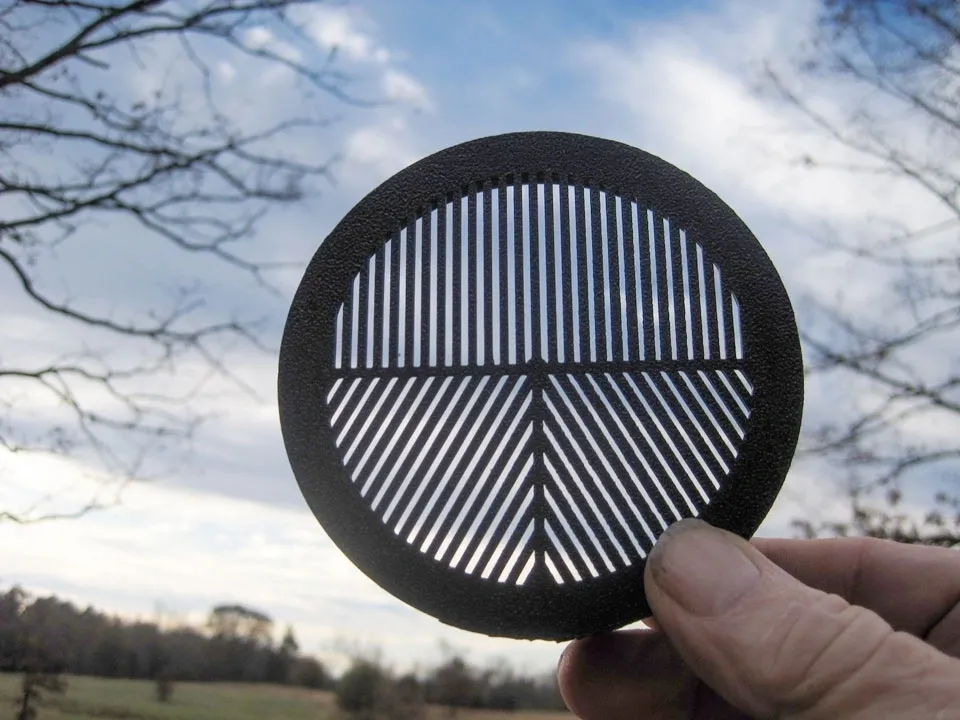
A Bahtinov mask is a simple focusing aid — a cap with a precise pattern of slots that fits over the front of your telescope. When you point it at a bright star, it creates a distinctive diffraction spike pattern in the eyepiece. When the scope is perfectly focused, the central spike bisects the outer two spikes exactly. When it’s not, the central spike is visibly offset.
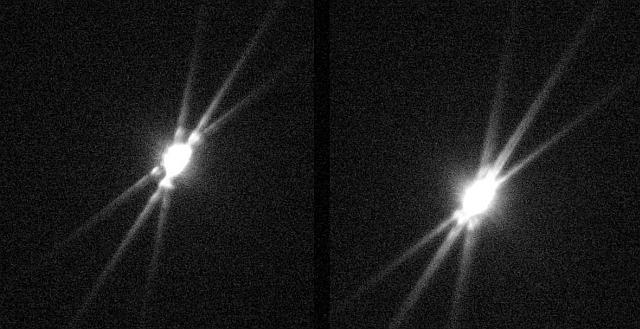
It sounds fancier than it is — the mask itself costs $10–20 and makes achieving precise focus fast and unambiguous, especially for astrophotography where critical focus matters enormously. You can also 3D print one sized for your specific telescope.
For photography, a Bahtinov mask is essentially indispensable. But even for visual observing - it’s a fast way to achieve perfect focus.
Collimation Tools
Reflectors and compound scopes need periodic mirror alignment (collimation). The tools:
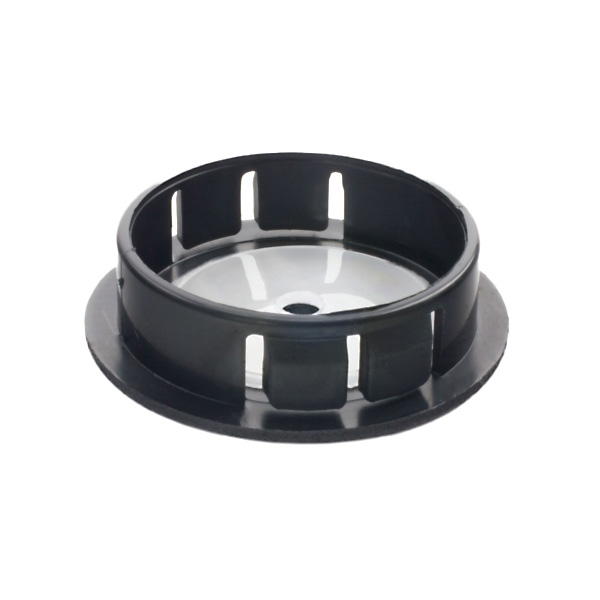
A Cheshire eyepiece gives a more precise visual reference for alignment and is the preferred tool for many observers.
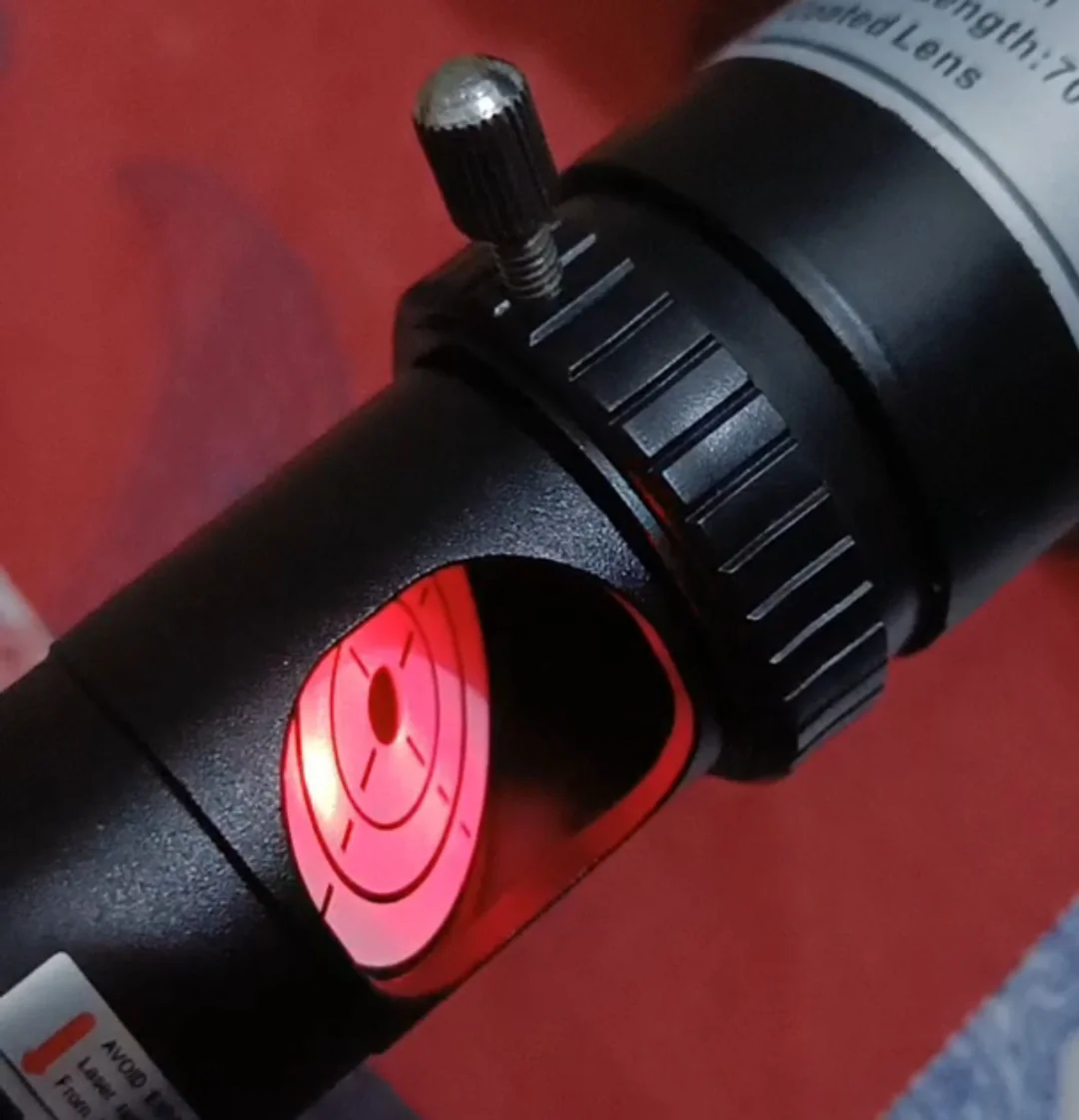
Which you need depends on your scope type and how precise you want to be. See the Features page for more context on collimation by scope type.
Equipment Care and Transport
Cases and Bags
Telescopes and eyepieces are optical instruments — they don’t respond well to being rattled around in a car boot or left in a garage that cycles between freezing and humid. A proper case protects your investment.
For eyepieces, a simple padded roll or case keeps them organized, clean, and protected. For the telescope itself, options range from padded soft bags to hard cases with custom foam — what you need depends on how often you transport the scope and how rough the journey is.
At minimum, keep lens caps on all optical surfaces when not in use and store the scope somewhere dry and relatively temperature-stable.
Dew Heaters and Controllers
In humid climates — and New England qualifies — dew forming on the objective lens, corrector plate, or eyepiece can end an observing session without warning. One moment the image is sharp; the next it’s a blurry fog.
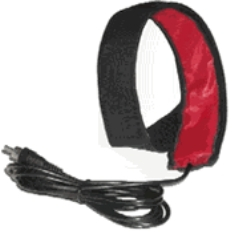
If you observe regularly in humid conditions, dew control is eventually a necessity rather than a luxury. Check that your telescope has mounting provisions for a dew shield before you buy.
Smartphone Photography
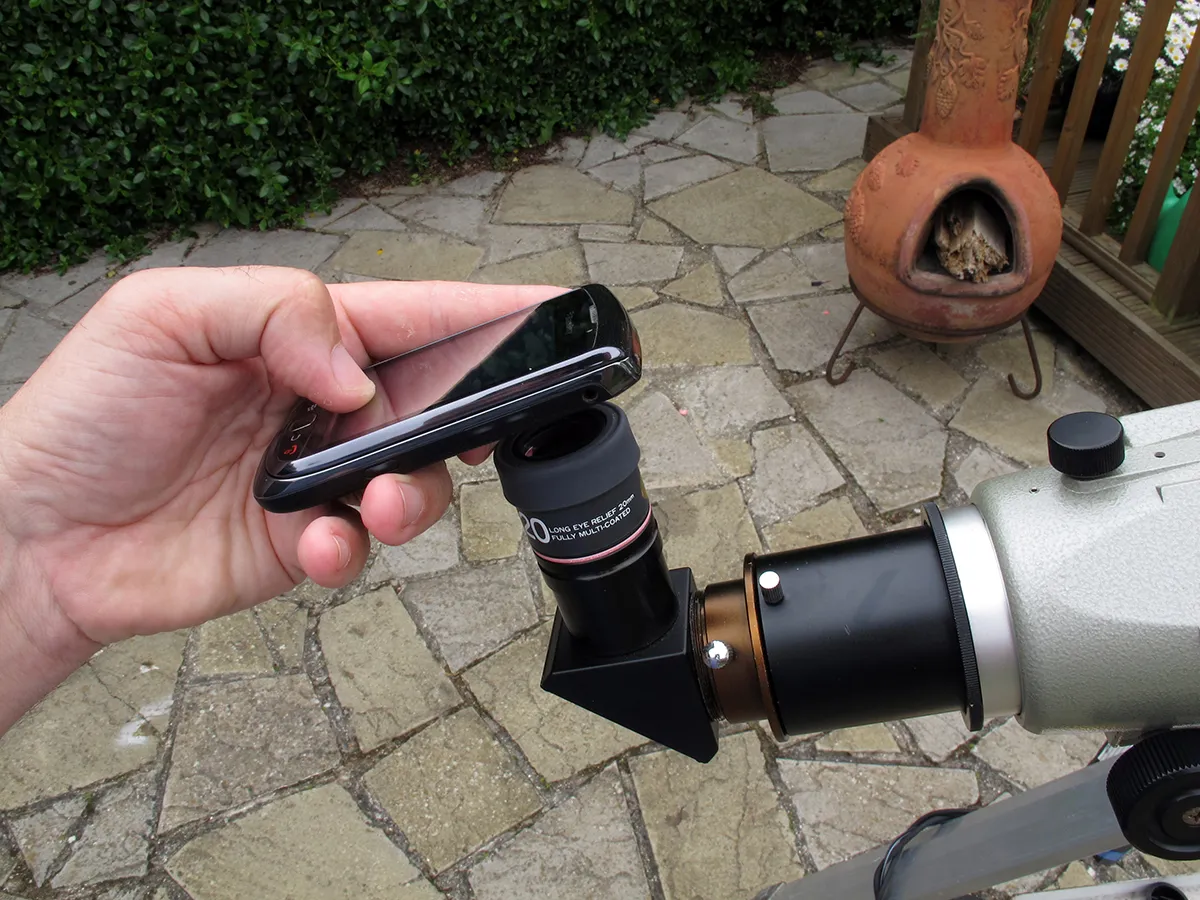
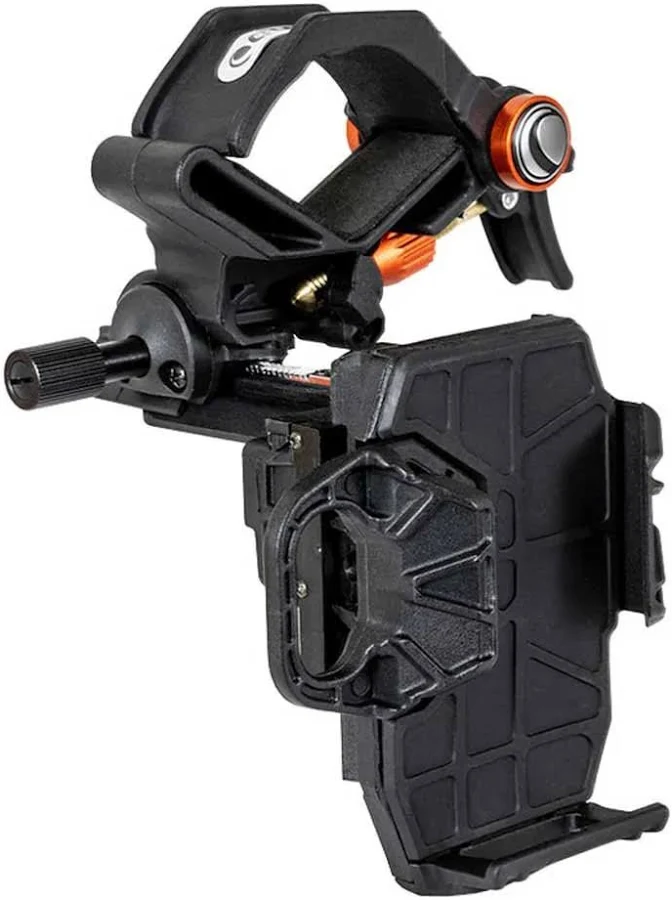
Beyond afocal photography, serious astrophotography involves dedicated cameras, motorized equatorial mounts, and image processing software — a deep and rewarding rabbit hole that’s beyond the scope of this guide. If that interests you, it warrants its own research; the gear involved is a significant additional investment.
What to Buy First
If you’ve just bought your first telescope, this is the short list:
- Red flashlight — immediately, before your first night out
- Pocket Sky Atlas — for the field
- A 2× Barlow if one didn’t come with your scope
- An observing chair — sooner than you think you need one
Everything else can wait until you know what you actually want to observe and how serious you’re getting about it. (Or it’s something you can refer to when people ask what you want for a birthday or holiday present!)