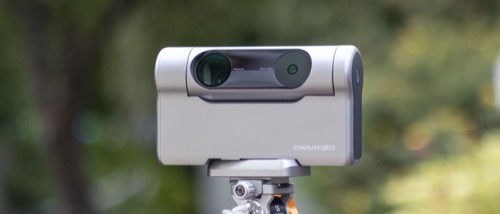
Smart scopes are a category of telescope that didn’t really exist a few years ago and has grown remarkably fast. They represent a different philosophy about what a telescope is for — and for many people, including experienced observers, they’ve become a primary instrument.
What Is a Smart Scope?
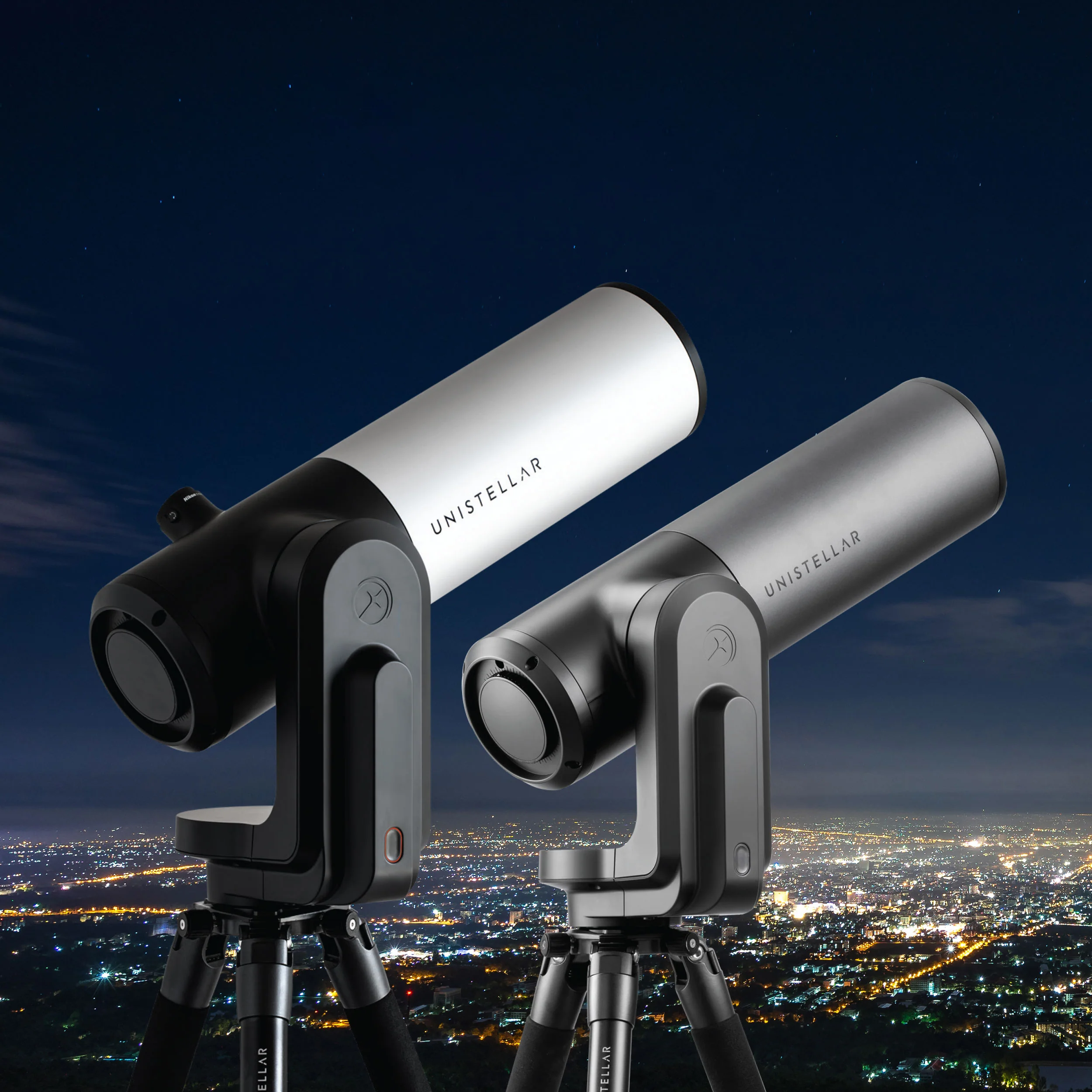
The underlying technologies — plate solving (identifying exactly where the scope is pointing by comparing the star field to a database), automatic tracking, and live image stacking — used to require thousands of dollars of equipment and considerable technical knowledge. Smart scopes have packaged all of this into a device that genuinely works out of the box, often in minutes.
What They Produce
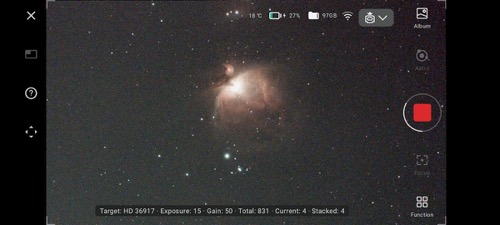
Smart scopes excel at deep sky objects — nebulae, galaxies, and star clusters. This is where the technology shines, and the results consistently surprise people who haven’t seen what a modern smart scope can produce from a backyard or even a balcony under light-polluted skies.






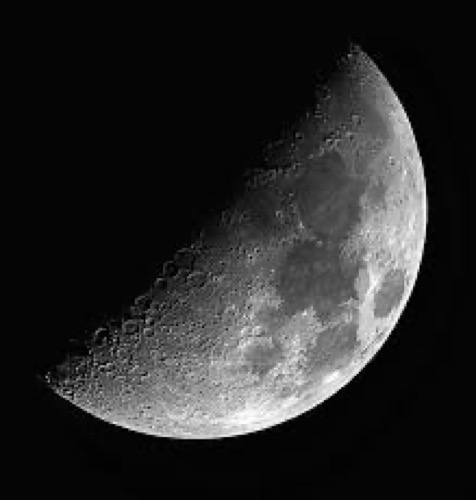
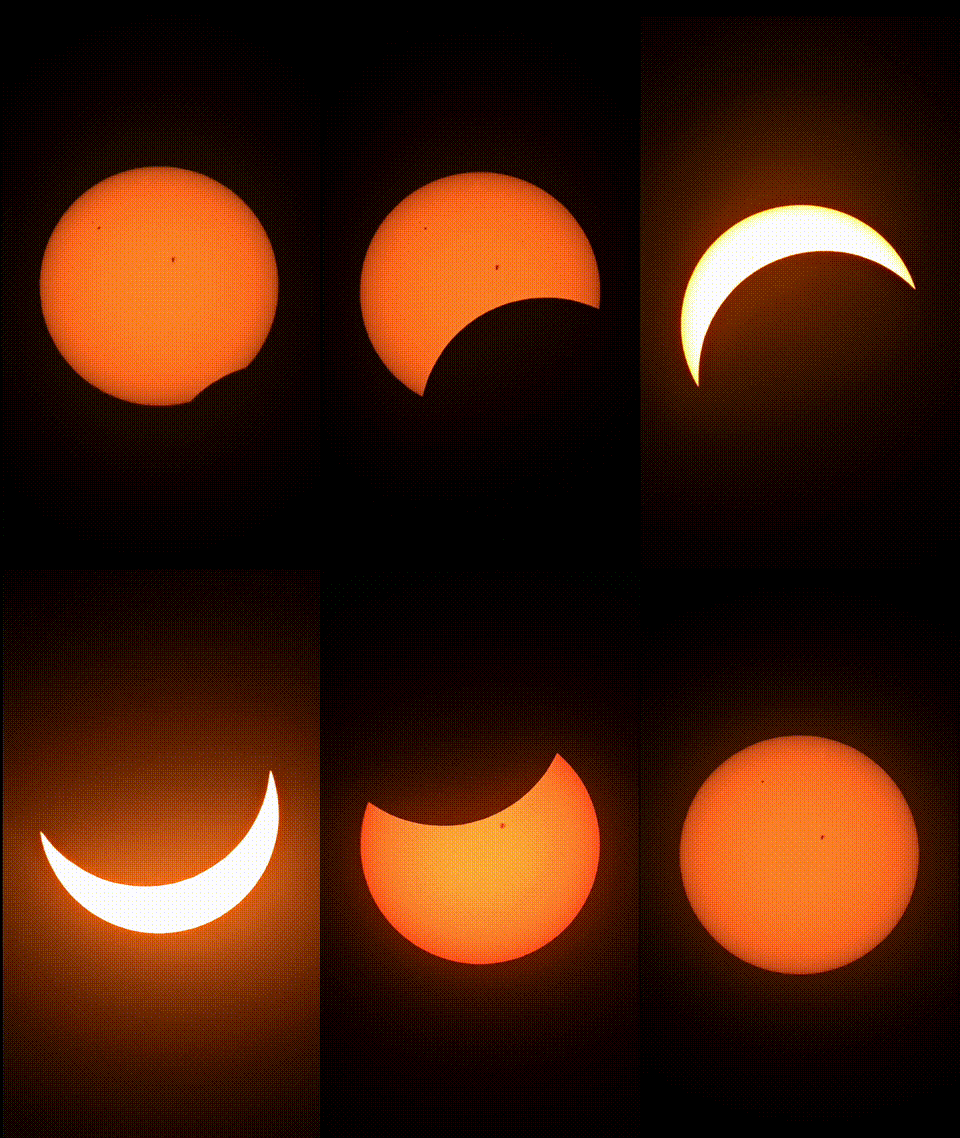
For the solar system, the Moon images from current smart scopes are spectacular — detailed, sharp, and immediately shareable. With a solar filter (some models come with them, for others they can be purchased) you can see sunspots, or monitor an eclipse.
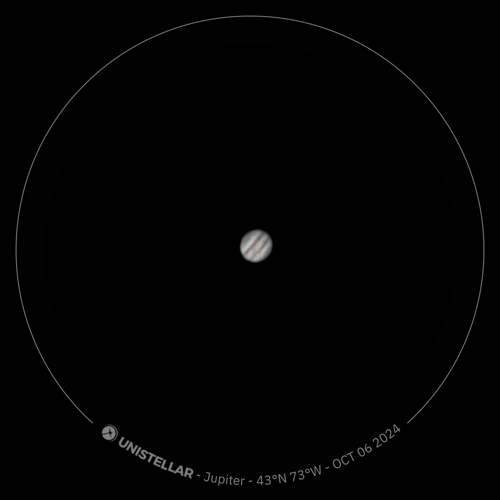
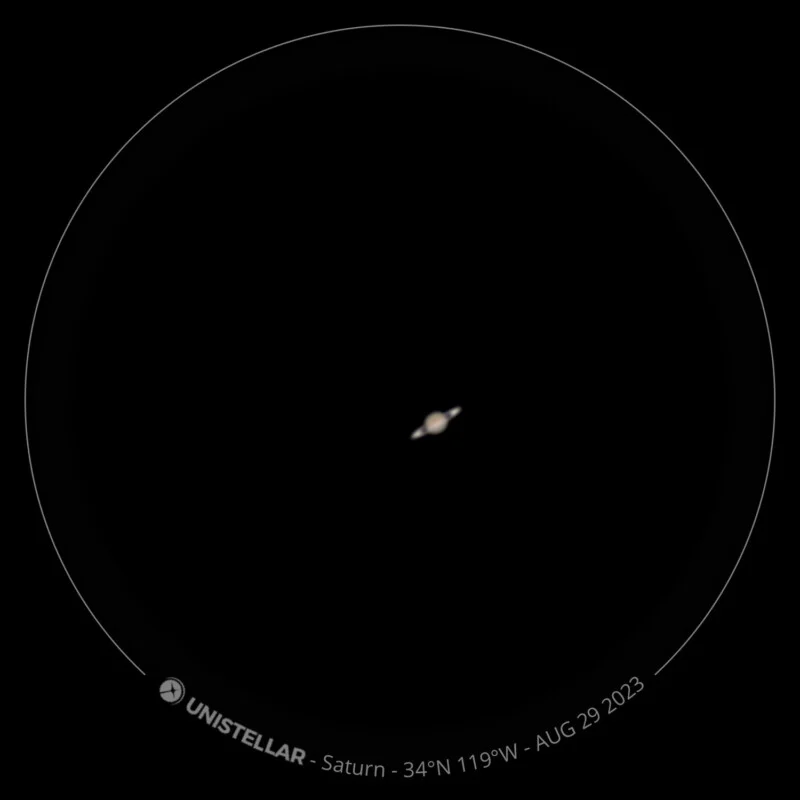
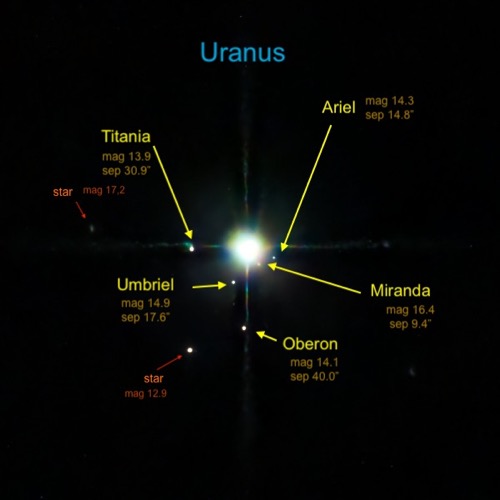
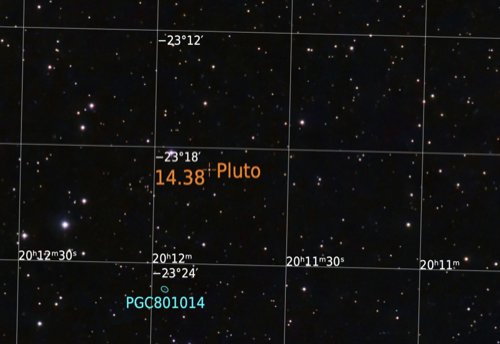
Planets - however - are the weakness: typically planets require aperture and long focal lengths to have any decent resolution. Smart scopes “can” do planets, but they can’t do them well although it’s not impossible:
One of the genuinely underappreciated advantages of smart scopes is shareability. Everyone in the room can see what you’re looking at, on a screen, in real time. “Look through this eyepiece” works for one person at a time; “look at my phone” works for a family, a classroom, or a group of friends on a patio.
And at the end of a session, you have actual images — something to keep, share, and compare.
The Tech-Savvy Connection
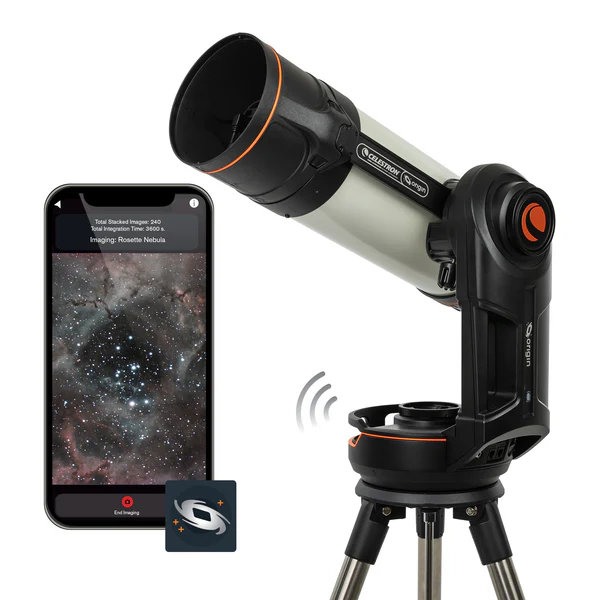
This makes smart scopes a genuinely accessible entry point for people who are curious about astronomy but intimidated by the mechanical and procedural complexity of traditional telescope setup. It also makes them excellent tools for sharing astronomy with younger people, who are accustomed to getting results from technology and may find the patience required for traditional visual observing harder to develop initially.
Citizen Science
One of the most remarkable aspects of the smart scope ecosystem — particularly Unistellar’s network — is the opportunity for genuine scientific contribution.
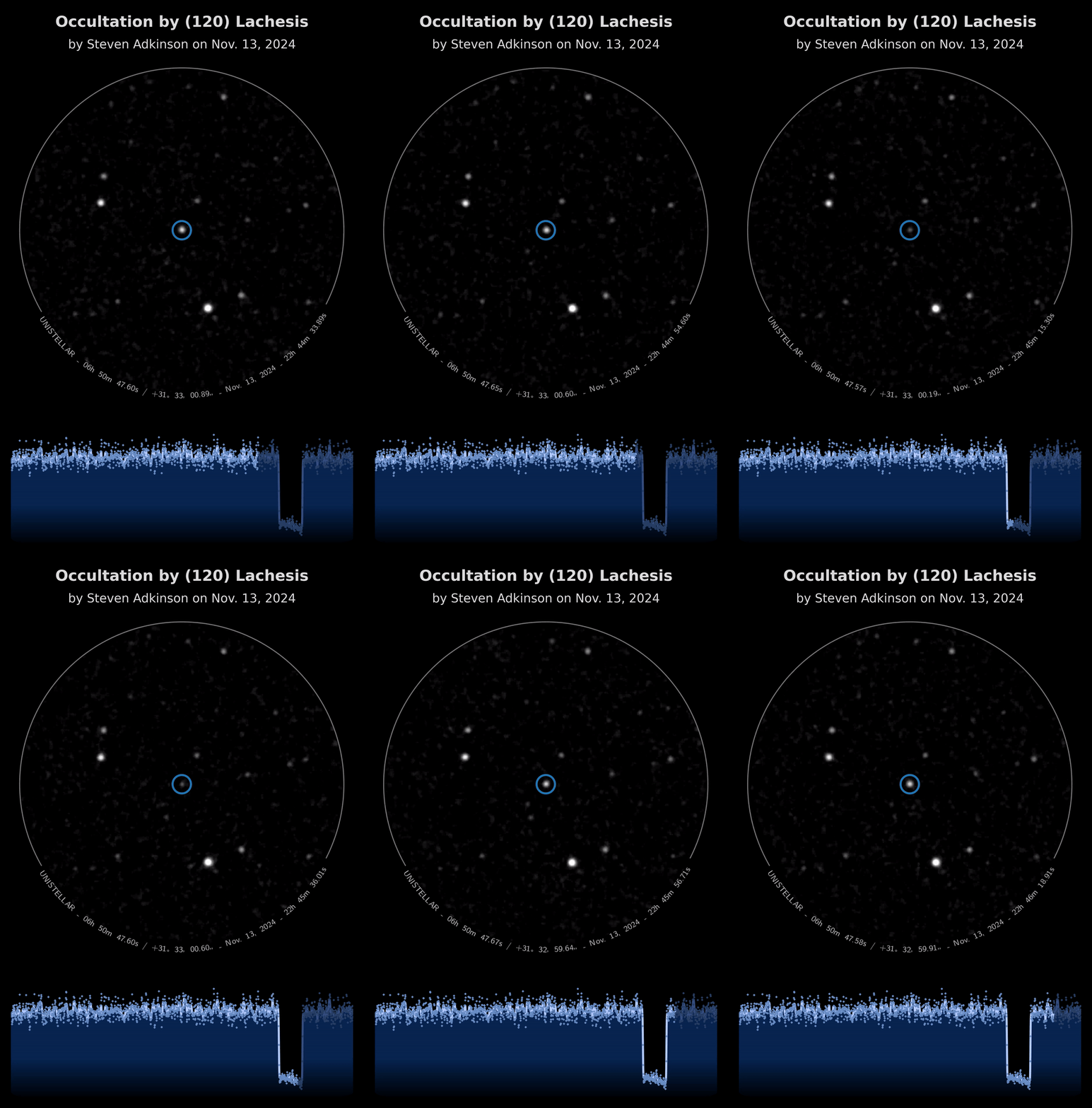
Unistellar has built a worldwide community of citizen astronomers working in partnership with professional astronomers at the SETI Institute. In 2025 alone, observers contributed more than 15,000 astronomical observations, representing a roughly 50% increase over 2024. The targets include asteroids, comets, exoplanet transits, and more.
A group of citizen astronomers from around the world simultaneously observed Comet 3I/ATLAS to build a highly detailed super-image. Other citizen astronomers observed an asteroid flying past Earth, and with their observations scientists successfully refined the shape model of asteroid 1999 AP10.
Recent successes include refining the shape of the Lucy mission target asteroid Eurybates and a record-breaking observation of the exoplanet Kepler-167 e.
This is real science — not simulated or educational, but data that ends up in peer-reviewed publications. The distributed nature of the network means that a global event like a comet outburst or an asteroid occultation can be observed simultaneously from dozens of locations around the world, something no single professional observatory could replicate. Your backyard smart scope, connected to this network, can contribute to that.
The Market
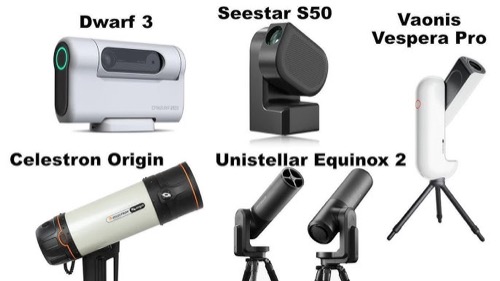
The smart scope market has expanded rapidly and now spans a wide range. Entry-level models start around $350–500 and deliver genuinely impressive results for deep sky imaging. Premium models with larger apertures, higher-resolution sensors, and more sophisticated software run $2,000–5,000. The difference in image quality is real, but so is the difference in portability — the smallest smart scopes fit in a jacket pocket.
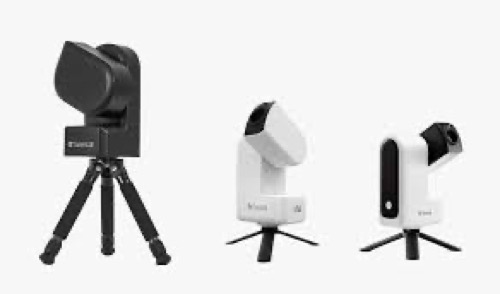
Major manufacturers currently active in the space include ZWO (Seestar line), Unistellar (eVscope/Odyssey line), Vaonis (Vespera/Stellina line), Dwarflab (Dwarf line), and Celestron (Origin). This market moves quickly — models are updated regularly, new entrants appear, and the software that drives these devices continues to improve. Check current reviews at CloudyNights.com and AstroBackyard before buying; what represents good value changes faster than any guide can keep up with.
Note: This market overview reflects mid-2026. Specific models and pricing will have changed.
Smart Scopes and Traditional Observing
Smart scopes and traditional telescopes are different tools that offer genuinely different experiences. They’re not in competition — many observers use both, for different purposes.
The visual experience of a traditional telescope has real value: there is something distinct about putting your eye to an eyepiece and receiving photons directly. For the Moon and planets in particular, the live, three-dimensional quality of visual observing is hard to replicate on a screen. Star clusters and double stars are also often more satisfying visually than through a smart scope.
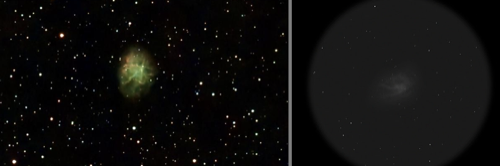
For deep sky objects, however, the comparison runs the other way. We live in an era of Hubble and JWST images — people’s expectations for what a nebula looks like are shaped by those photographs. The visual reality through an eyepiece — a “faint grey smudge”, even through a good telescope — can be a genuine surprise. A smart scope shows something that looks more like what the observer expected, and adds the ability to share it.
Another benefit to smart scope observing is that you don’t have to be hovering over the scope while it’s working. So, in the winter while the scope is gathering images out in the cold you can “observe” from inside where it’s warm. Some models also allow you to cast your progress on a TV on your own WiFi.
There’s also a physiological reality worth understanding here: your eye is a remarkably poor camera. Its effective aperture in the dark is around 5–7 mm, and it integrates light for roughly 1/25th of a second before refreshing — it cannot accumulate faint photons the way a camera sensor can. Even the smallest smart scope on the market, stacking exposures over several minutes, can reach objects far fainter than you could ever see visually through even a very large traditional telescope. Consider Pluto: detecting it visually requires roughly 16" of aperture but this is an easy target for any smart scope (if you know where to point it). An eQuinox 2 — a mid-range smart scope — can measure stars down to nearly 18th magnitude, which requires 30" of aperture visually in very dark skies.
The choice between them is genuinely personal, and many people find that the answer isn’t “either/or”: you can have a smart scope gathering an image stack over several hours while you observe with your traditional scope at the same time.
One Suggestion for New Observers
Here’s a perspective worth considering: a smart scope combined with membership in a local astronomy club may be one of the best possible entry points into the hobby.
The club gives you access to large, high-quality optical telescopes — and the experienced observers who own them and can show you how to use them. Your smart scope gives you your own instrument to use independently, generate images from, and share. You get the visual experience of serious optics through the club, and the convenience and output of a smart scope at home.
NBAS members own smart scopes, traditional scopes, and everything in between. The conversations that happen between them are some of the most interesting we have. If you’re curious, come to a meeting — we’d be glad to show you what both worlds look like.