Why Do Variable Stars Do That?
An advanced quiz on the mechanisms behind ten kinds of variable stars — not recognizing light curves, but understanding why each one behaves the way it does.
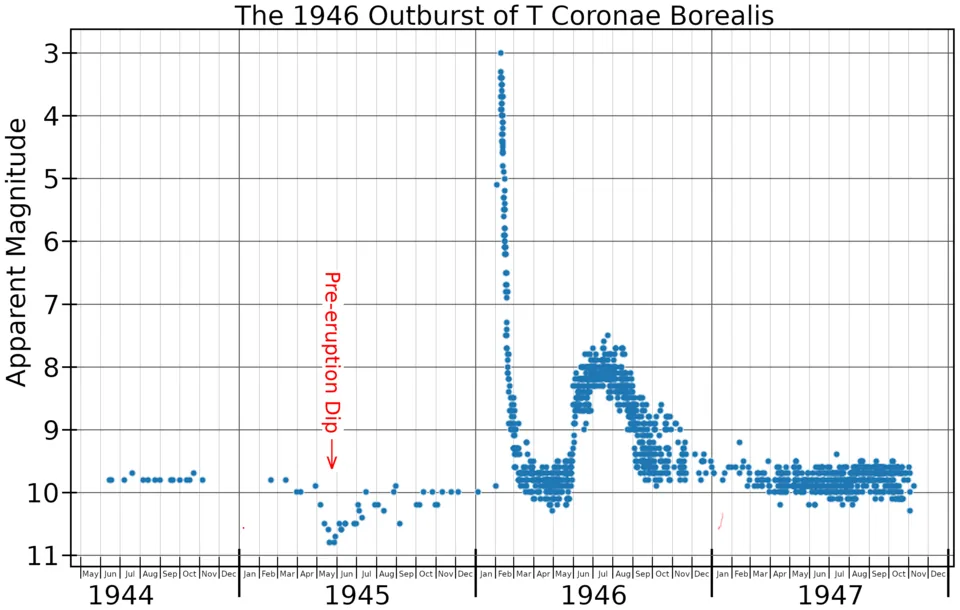
As of late 2026, T Coronae Borealis ("the Blaze Star") still hasn't erupted, despite predictions pointing to 2025 and 2026. Why the ongoing uncertainty?
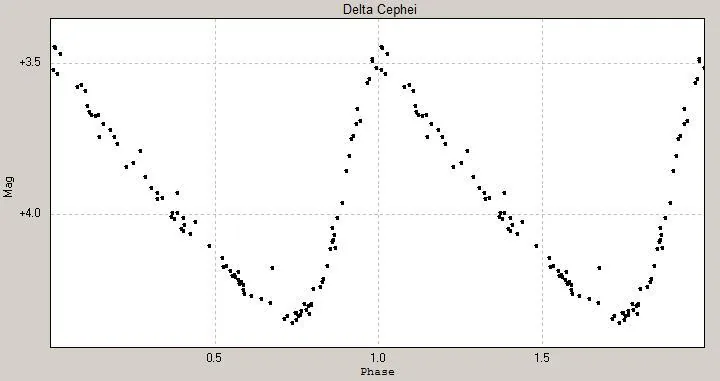
A Cepheid's brightness rises to peak faster than it fades back down. Why?
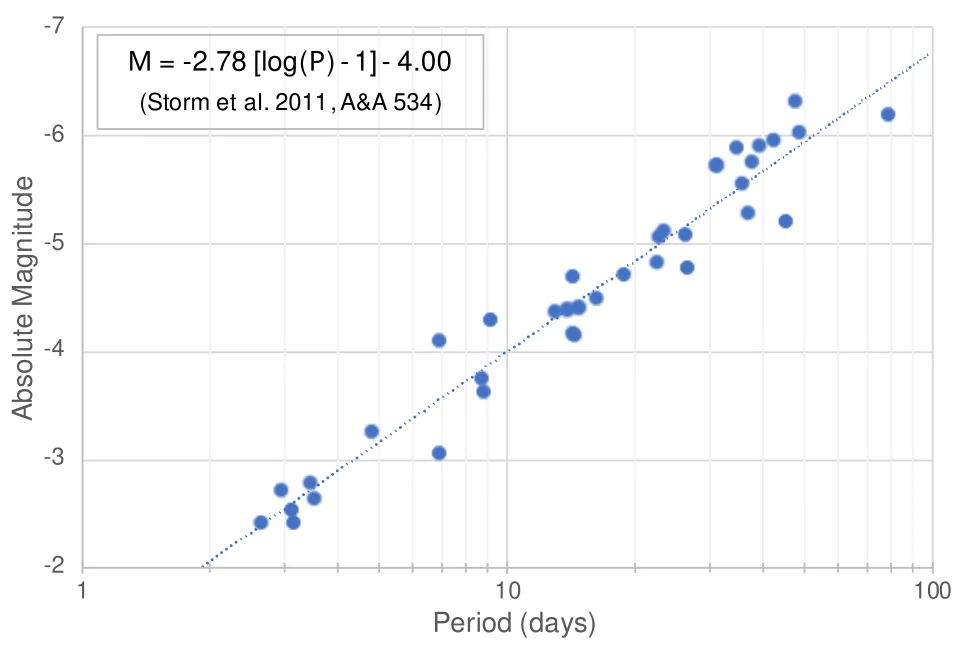
Why do more luminous Cepheids pulsate *more slowly* than dimmer ones?
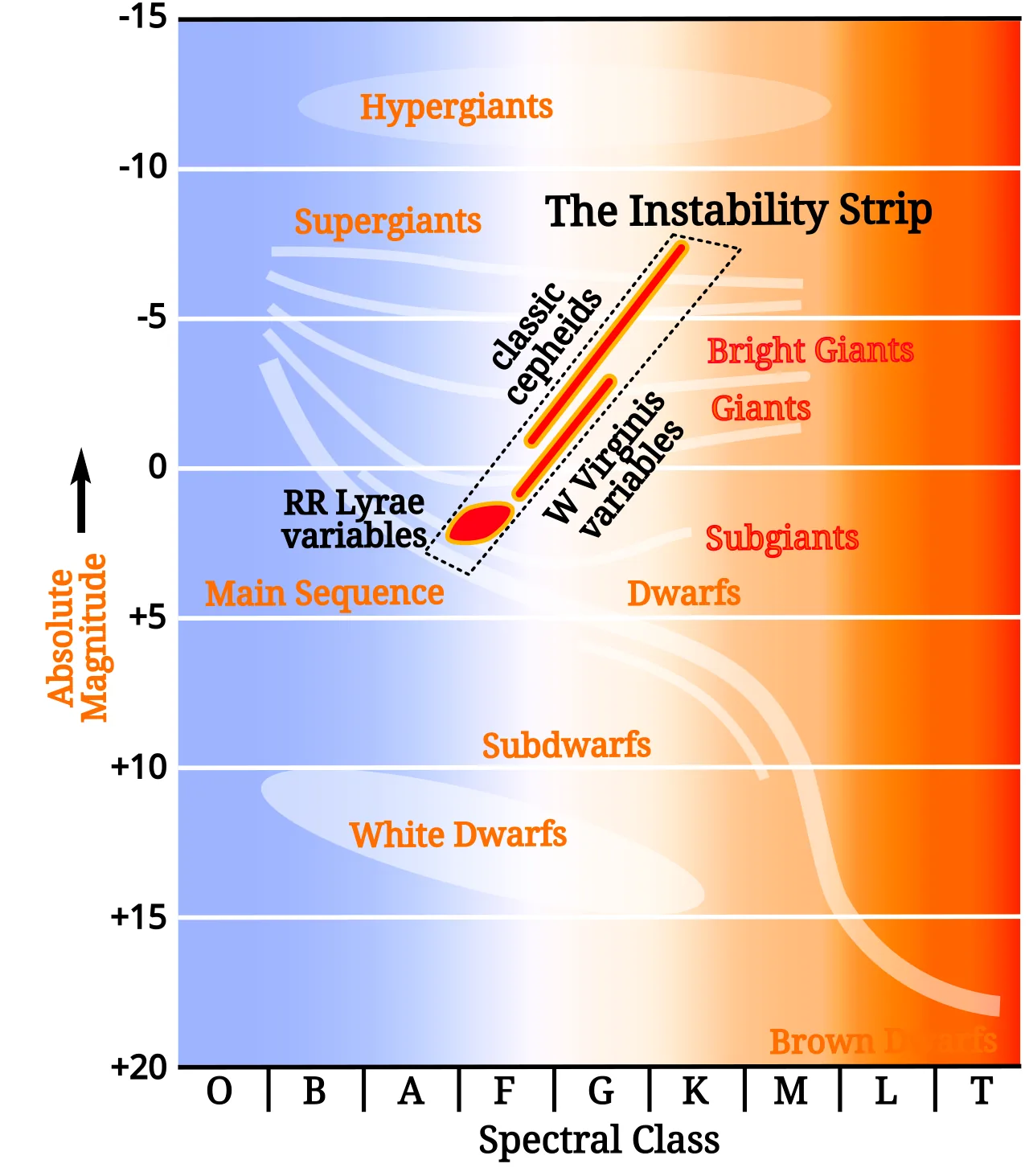
Why are RR Lyrae stars found in old globular clusters and the galactic halo, while Cepheids are found in young spiral-arm regions?
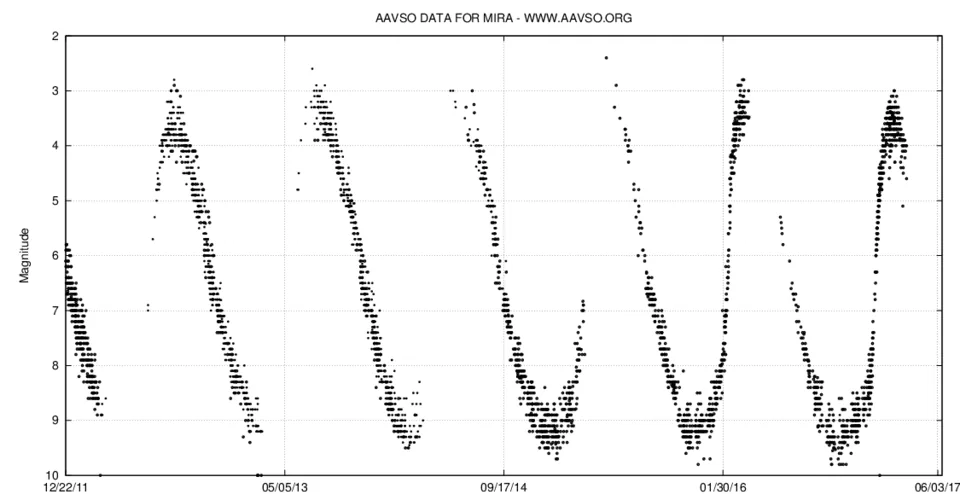
Why does Mira's brightness swing by several magnitudes — far more than a Cepheid's?
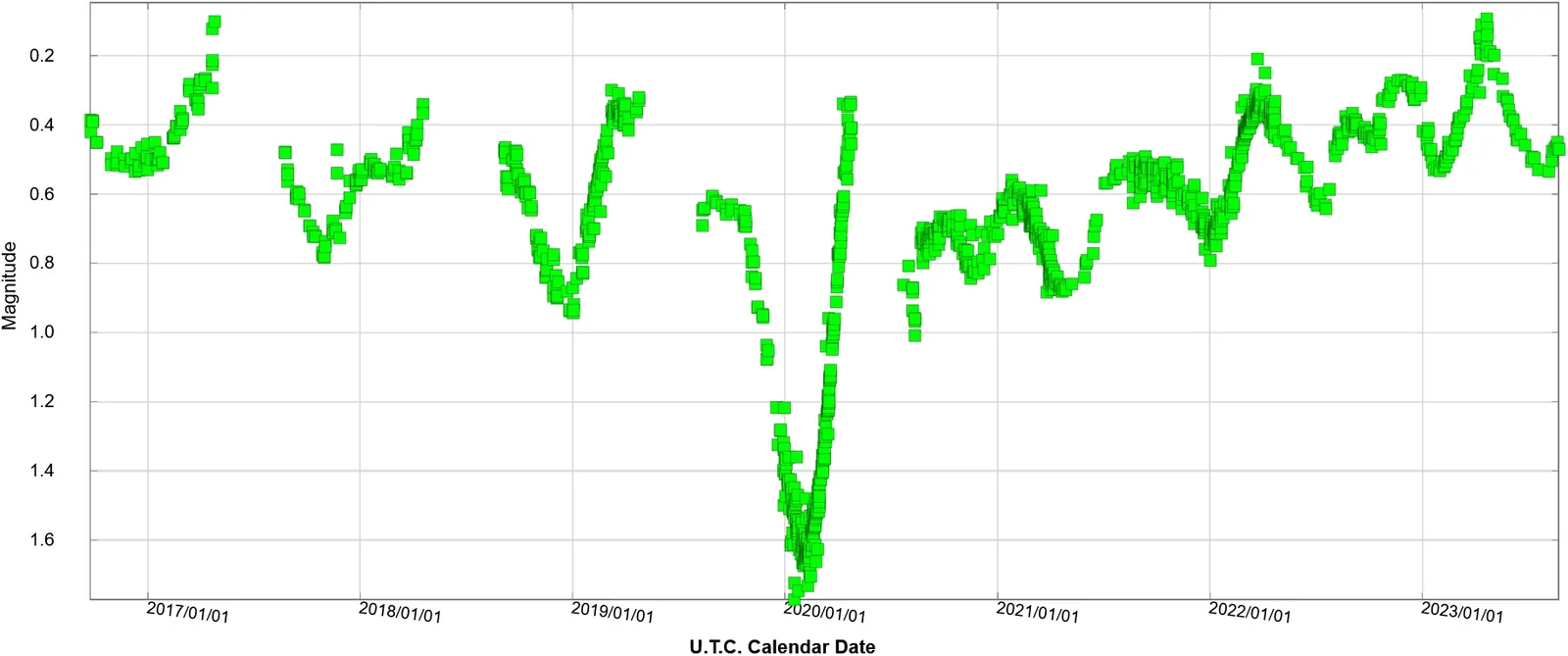
Why isn't Betelgeuse's brightness variation as clean and periodic as a Cepheid's?
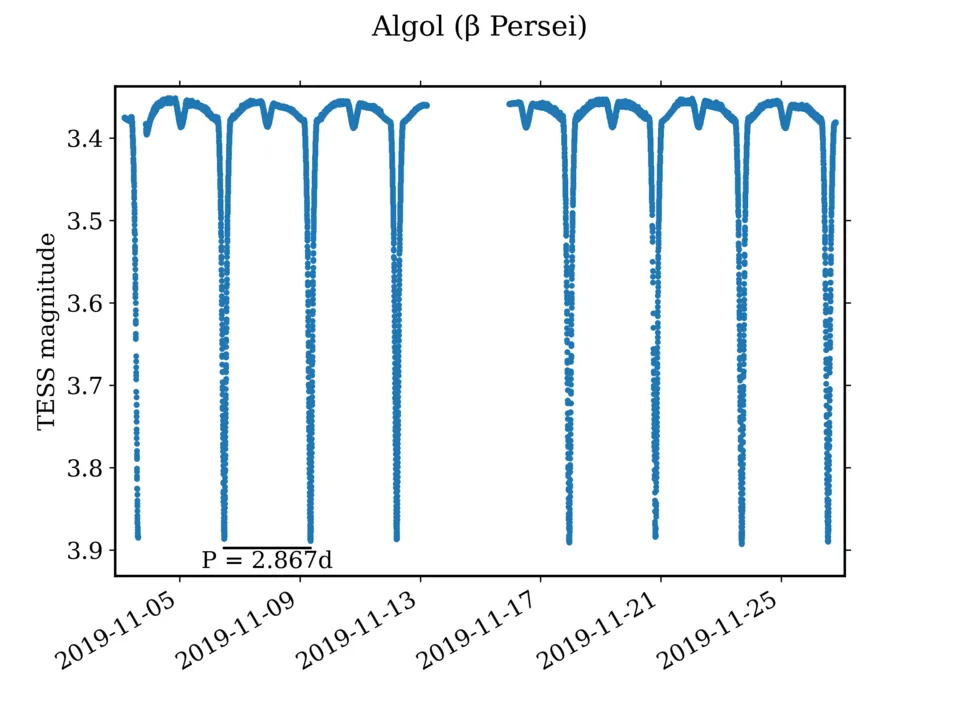
In the Algol system, the less massive star is a more evolved subgiant, while the more massive star is still an ordinary main-sequence star. Normally the more massive star evolves faster — so why is it the other way around here?
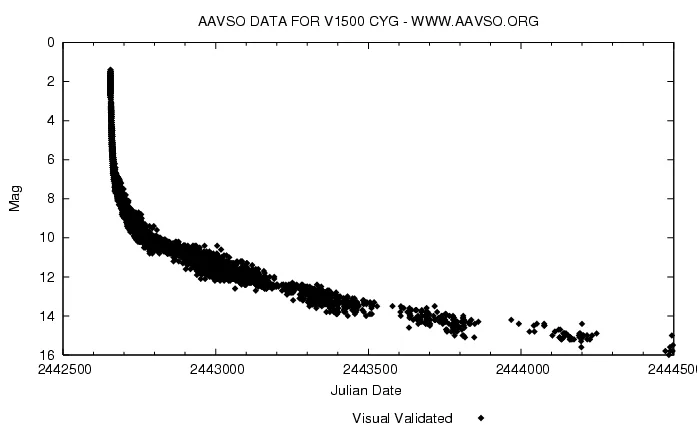
Why does a classical nova's decline after peak brightness take weeks to months, rather than happening instantly?
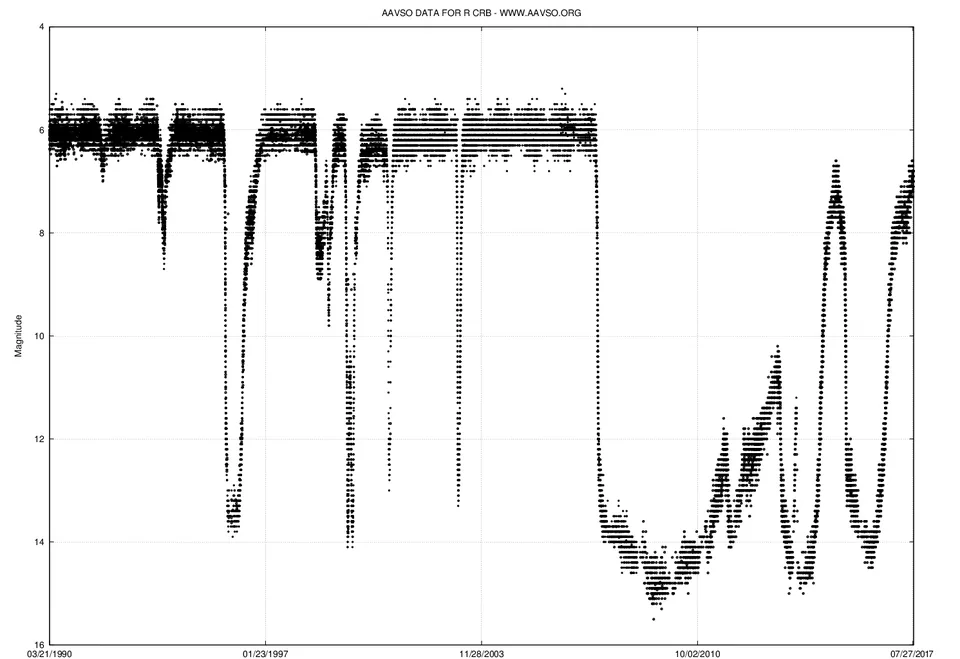
Why do R Coronae Borealis stars sometimes dim dramatically and unpredictably, rather than brightening like a nova?
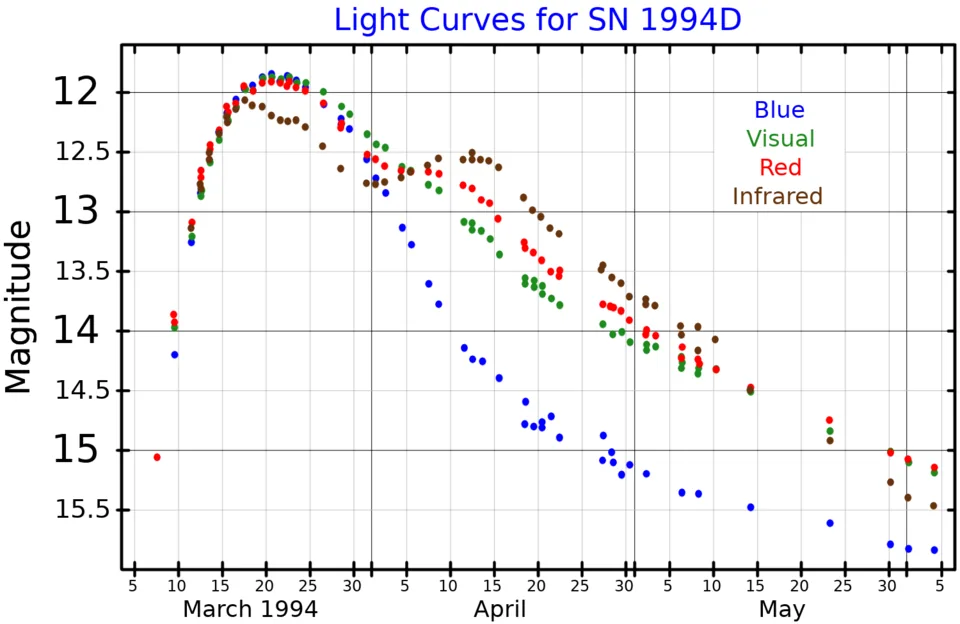
Why can Type Ia supernovae be used as reliable "standard candles" for measuring cosmic distances, while core-collapse supernovae can't?
Image Credits
- Q1 — T Coronae Borealis: T CrB light curve of the 1946 eruption — PopePompus, CC BY-SA 4.0, via Wikimedia Commons
- Q2 — Cepheid rise/decline: Delta Cephei light curve — Warrickball, CC BY-SA 4.0, via Wikimedia Commons
- Q3 — Period-luminosity relation: Period-luminosity relation for LMC Cepheids — Dbenford, CC BY-SA 4.0, via Wikimedia Commons
- Q4 — RR Lyrae vs. Cepheids: HR diagram with instability strip — Rursus, CC BY-SA 3.0, via Wikimedia Commons
- Q5 — Mira’s amplitude: Mira light curve, AAVSO 2011–2017 — Lithopsian, CC BY-SA 4.0, via Wikimedia Commons
- Q6 — Betelgeuse: Betelgeuse light curve, AAVSO 2019 — AAVSO, CC BY 2.5, via Wikimedia Commons
- Q7 — The Algol paradox: Algol light curve, TESS — Warrickball, CC BY-SA 4.0, via Wikimedia Commons
- Q8 — Nova decline timescale: V1500 Cygni (Nova Cygni 1975) light curve — AAVSO/Vladimir Kurg, Public domain, via Wikimedia Commons
- Q9 — R Coronae Borealis: R Coronae Borealis light curve — Lithopsian, CC BY-SA 4.0, via Wikimedia Commons
- Q10 — Type Ia standard candle: Type Ia supernova light curve, SN 1994D — PopePompus, CC BY-SA 4.0, via Wikimedia Commons